
How to Produce an Award Dinner That Feels Elevated, Not Expected

Award dinners hold a unique place in the event landscape. They are moments of recognition, celebration, and institutional storytelling. Yet too often, they follow a familiar rhythm: a reception, a seated dinner, a series of speeches, polite applause, and an early exit. Meaningful? Yes. Memorable? Not always.
Producing an award dinner that feels elevated requires more than upgraded linens or a premium venue. True elevation comes from intentional award dinner production with the thoughtful integration of storytelling, staging, pacing, and experiential design into a seamless, emotionally resonant evening.
At Stratus Firm, we believe recognition events should feel cinematic, not routine. Here’s how to transform an awards ceremony into an experience that lingers long after the final toast.
Why So Many Award Dinners Feel Predictable
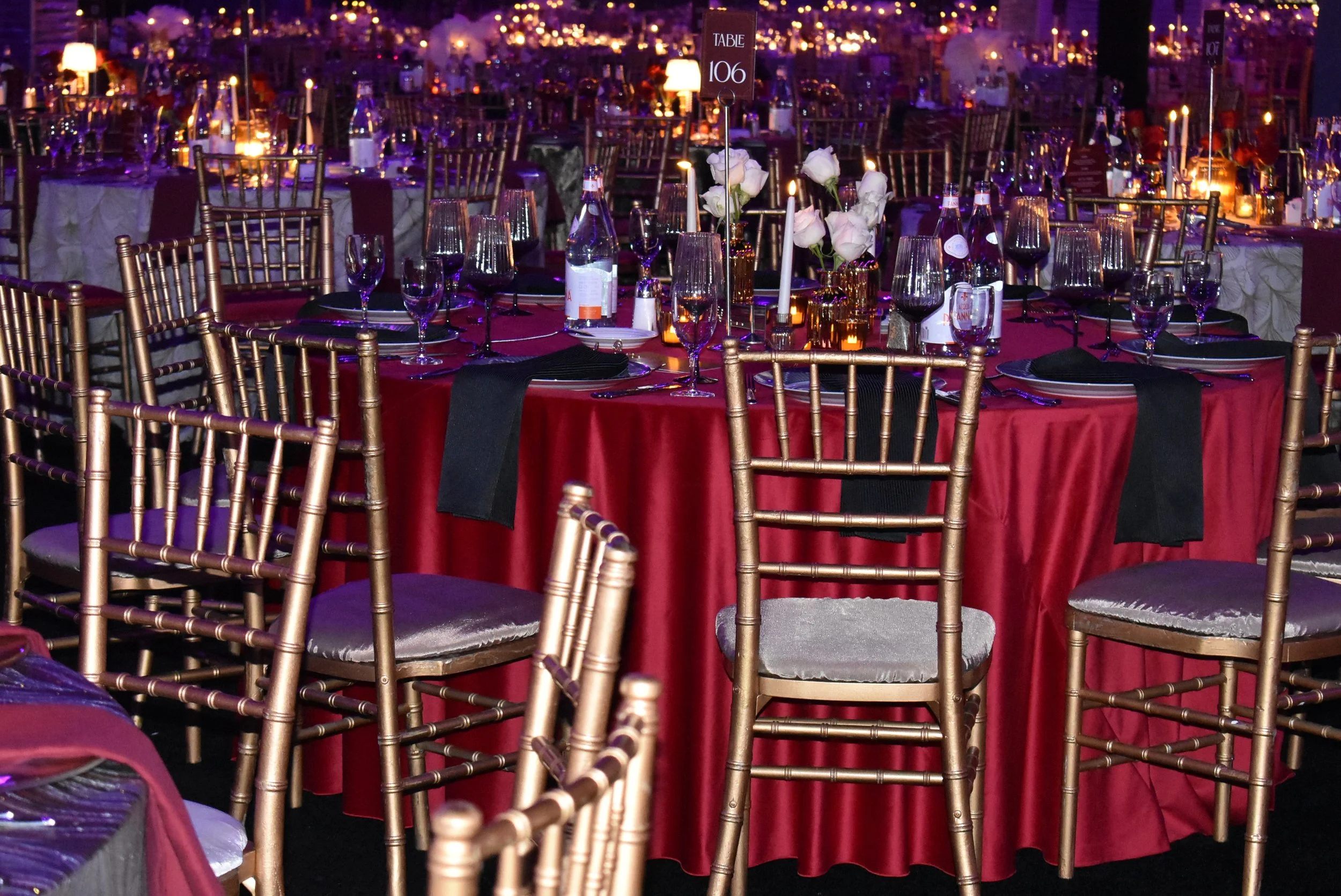
Before you can elevate an awards dinner, you have to understand what makes so many of them feel interchangeable.
The most common issue isn’t lack of effort, it’s lack of intentional production. Programs often run too long. Speeches stack back-to-back without energy shifts. Lighting remains static. Honorees are introduced with a bio reading rather than a story. Even beautifully designed rooms can feel flat if the emotional arc isn’t carefully shaped.
Recognition is powerful. But without dynamic pacing and production discipline, even meaningful moments can blur together.
Elevation begins when you stop thinking of the event as “a dinner with awards” and start designing it as a live show with purpose.
Start With Purpose: Redefining Recognition
An elevated awards dinner doesn’t begin with décor decisions; it begins with clarity.
What should guests feel by the end of the night? Pride? Inspiration? Momentum? Unity? What story is the organization telling about itself through these honorees? How does the event reinforce brand values, culture, or mission?
Whether the audience is corporate leadership, nonprofit donors, or association members, awards ceremonies are narrative platforms. They communicate identity. They define legacy. They shape perception.
This is where experiential design becomes essential. Elevation is not about adding more elements; it’s about aligning every element with intention. The arrival, the stage reveal, the music, the visuals — all of it should reinforce a cohesive emotional throughline.
(You can explore more about our approach to experiential design and storytelling in live environments on our Experiential Design page.)
Elevating the Guest Journey From Arrival to Farewell
Guests begin forming impressions the moment they arrive. An elevated award dinner considers the full journey, not just the program.
The arrival experience should feel intentional and welcoming. Smooth check-in flow, thoughtful signage, and subtle ambient music set the tone immediately. A signature cocktail or curated welcome moment signals that this evening has been designed, not assembled.
As guests transition into the dining space, lighting and sound can shift to create anticipation. A carefully timed reveal of the stage, scenic elements, or branded moments establishes atmosphere before the first word is spoken.
Even small details — such as how the emcee walks on stage or how the first award is introduced — shape perception. When transitions are polished and purposeful, the evening feels elevated without guests consciously knowing why.
Production Design That Signals Prestige
Award dinner production is the difference between “nice” and “extraordinary.”
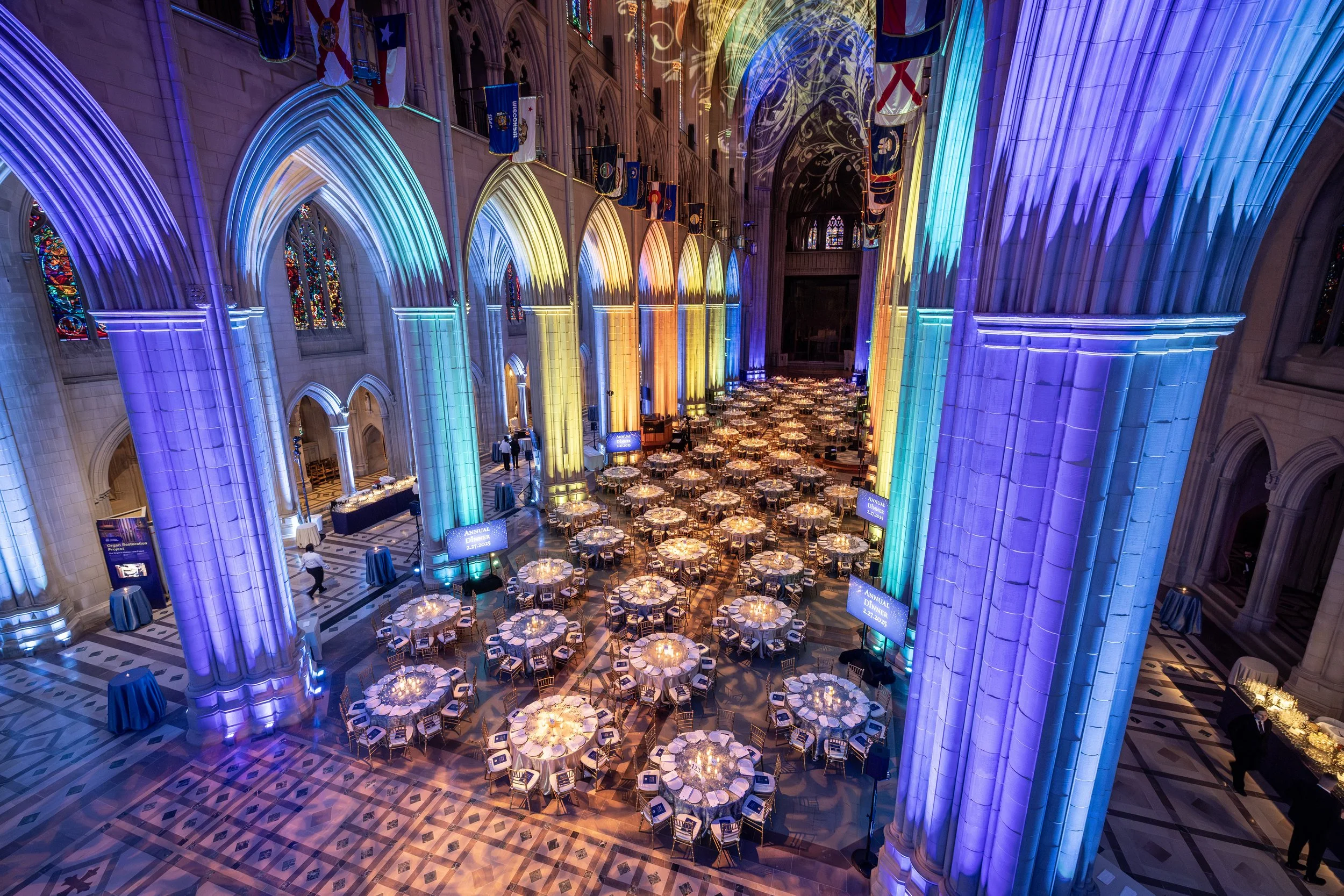
Stage architecture plays a foundational role. Layered scenic elements, dimensional backdrops, integrated LED or projection surfaces, and clean sightlines elevate perceived scale. Even in an intimate ballroom, architectural thinking creates presence.
Lighting design may be the single most transformative element. Warm, flattering ambient lighting during dinner allows conversation and comfort. When awards begin, dynamic stage washes and controlled house dimming draw attention with subtle drama. Pin spots on presenters, tonal shifts between segments, and intentional color palettes reinforce mood.
Sound design is equally important. Custom walk-up music for honorees personalizes the moment and builds energy. Transitional music maintains flow and prevents dead air. Crisp, balanced audio ensures every word lands clearly and confidently.
These elements are central to live event production. They transform an awards dinner from a schedule of speeches into a structured show.
(Our Live Event Production team brings this level of cinematic precision to recognition events of all sizes.)
Rethinking the Awards Program Flow
Predictability often stems from pacing.
Many awards dinners fall into a pattern: welcome remarks, award, speech, award, speech — repeated until energy dissipates. Elevation comes from structuring the program in chapters.
Opening with a compelling visual or short cinematic piece can immediately anchor the audience in the theme of the evening. A concise, high-energy welcome sets expectations. Awards can then be grouped strategically, with energy shifts between segments, such as a brief video, a musical interlude, or a meaningful storytelling moment.
Momentum matters. Guests should feel guided through an emotional arc rather than sitting through a checklist. Strong show calling ensures that transitions are smooth, cues are tight, and the evening never stalls.
Storytelling That Honors, Not Just Announces
Recognition is most powerful when it is contextualized.
Instead of reading a biography, elevated award dinners frame honorees within a broader narrative. Short, cinematic video features allow peers, colleagues, or beneficiaries to share authentic testimonials. Archival imagery or behind-the-scenes footage adds texture. Personal anecdotes humanize achievement.
Even the way an award is handed off can reinforce a story. Custom music cues, tailored graphics, and carefully staged presentation moments transform a standard announcement into a celebration.
When storytelling is intentional, the award becomes more than a trophy. It becomes a shared emotional moment.
Design as Atmosphere, Not Decoration
Elevation is sensory. It’s the interplay of lighting, texture, sound, and space.
Subtle haze can enhance lighting beams and create dimension. Coordinated table lighting can echo stage tones. Ceiling treatments or draping can soften large ballrooms. Scenic elements should feel architectural rather than temporary.
Design should never distract from recognition, but it should absolutely support it. Atmosphere amplifies meaning.
Personalization and Executive-Level Touches
Prestige often lives in the smallest details.
Personalized table settings, thoughtfully engraved awards, curated seating plans for leadership, or private VIP hospitality spaces elevate perception. Providing honorees with a brief rehearsal or backstage walkthrough can reduce anxiety and ensure confident stage presence.
Recognition events frequently gather high-level stakeholders. Thoughtful planning communicates respect for their time and importance.
Avoiding Common Awards Dinner Pitfalls
Even well-funded awards events can falter if production discipline slips.
Programs that exceed ninety minutes risk losing attention. Too many speakers dilute impact. Flat lighting diminishes perceived prestige instantly. Underestimating technical rehearsal time invites avoidable stress.
Strong production planning, clear speaker coaching, and disciplined show calling prevent these issues before they surface.
Turning Recognition Into a Signature Experience
When award dinner production is intentional, the evening becomes more than a ceremony.
It becomes a brand statement. A morale driver. A fundraising accelerator. A cultural milestone.
Elevated awards ceremonies often become anticipated annual touchpoints, not obligations, but experiences.
At Stratus Firm, we approach award dinners with the same rigor applied to high-profile galas and large-scale live productions. Whether it’s a nonprofit recognition gala or a corporate leadership awards program, our focus remains the same: align experience, storytelling, and execution under a cohesive vision.
(You can explore how we approach Galas & Fundraising Events to create high-impact recognition experiences.)
Final Thoughts: Elevation Is Designed, Not Assumed
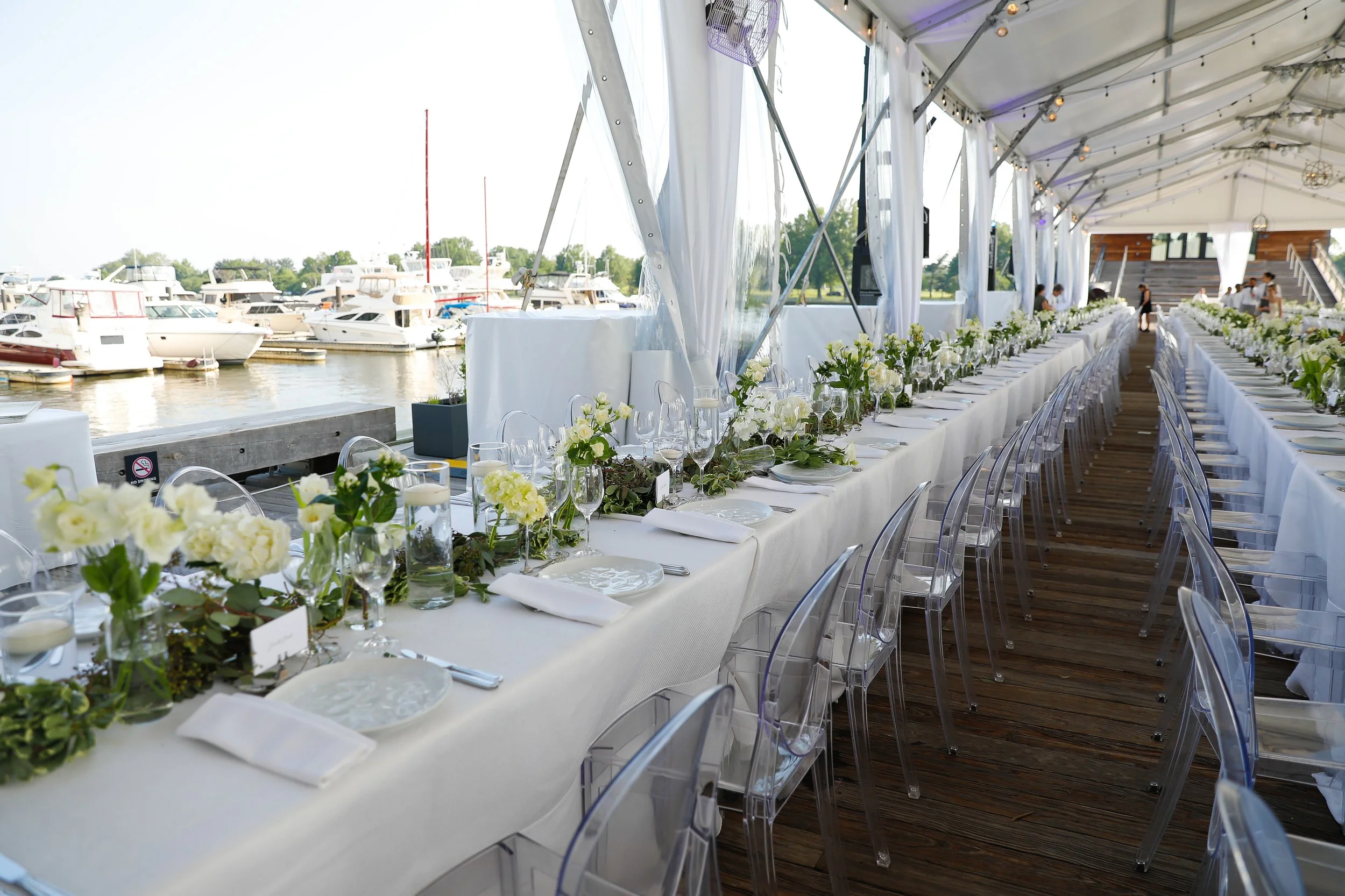
An elevated award dinner isn’t about excess. It’s about intention.
It requires thoughtful pacing, cinematic production, narrative clarity, and precise show calling. When recognition is produced with care, it resonates far beyond the ballroom.
If you’re ready to transform your awards ceremony into a signature experience that feels elevated, not expected, we’d love to help design it with you.
-
Focus on intentional production, strong storytelling, dynamic lighting, and program pacing. Elevation comes from experience design, not just décor.
-
Most award dinners perform best with 75–90 minutes of structured program time to maintain energy and engagement.
-
Lighting, scenic architecture, video storytelling, and custom music cues create atmosphere and emotional impact, elevating recognition moments.
-
Common pitfalls include over-programming, flat staging, excessive speeches, and underestimating technical production needs.
-
Alternate award blocks with energy shifts such as video, live music, or interactive moments to maintain pacing and audience engagement.