
What Does It Mean to Work as a Subcontractor Under a Prime Contractor?

In government, corporate, and large-scale event environments, contracts are rarely simple. Behind many successful programs is a structured partnership between a prime contractor and one or more subcontractors.
If you’ve ever wondered what it truly means to work as a subcontractor under a prime contractor, especially in event production and experiential environments, this guide breaks it down clearly.
Understanding this relationship is critical for agencies, procurement teams, and production partners navigating federal contracts, association engagements, and high-visibility public-sector work.
At Stratus Firm, we operate confidently in both roles, as a prime contractor leading complex engagements and as a subcontractor delivering specialized event production expertise within larger contract structures.
Let’s explore how it works.
What Is a Prime Contractor?
A prime contractor holds the primary contract directly with the client, whether that client is:
A federal agency
A state or municipal government
A corporation
A nonprofit or association
A venue operator
The prime contractor is responsible for:
Overall deliverables
Compliance with contract requirements
Budget management
Reporting and documentation
Managing subcontractors
Meeting performance standards
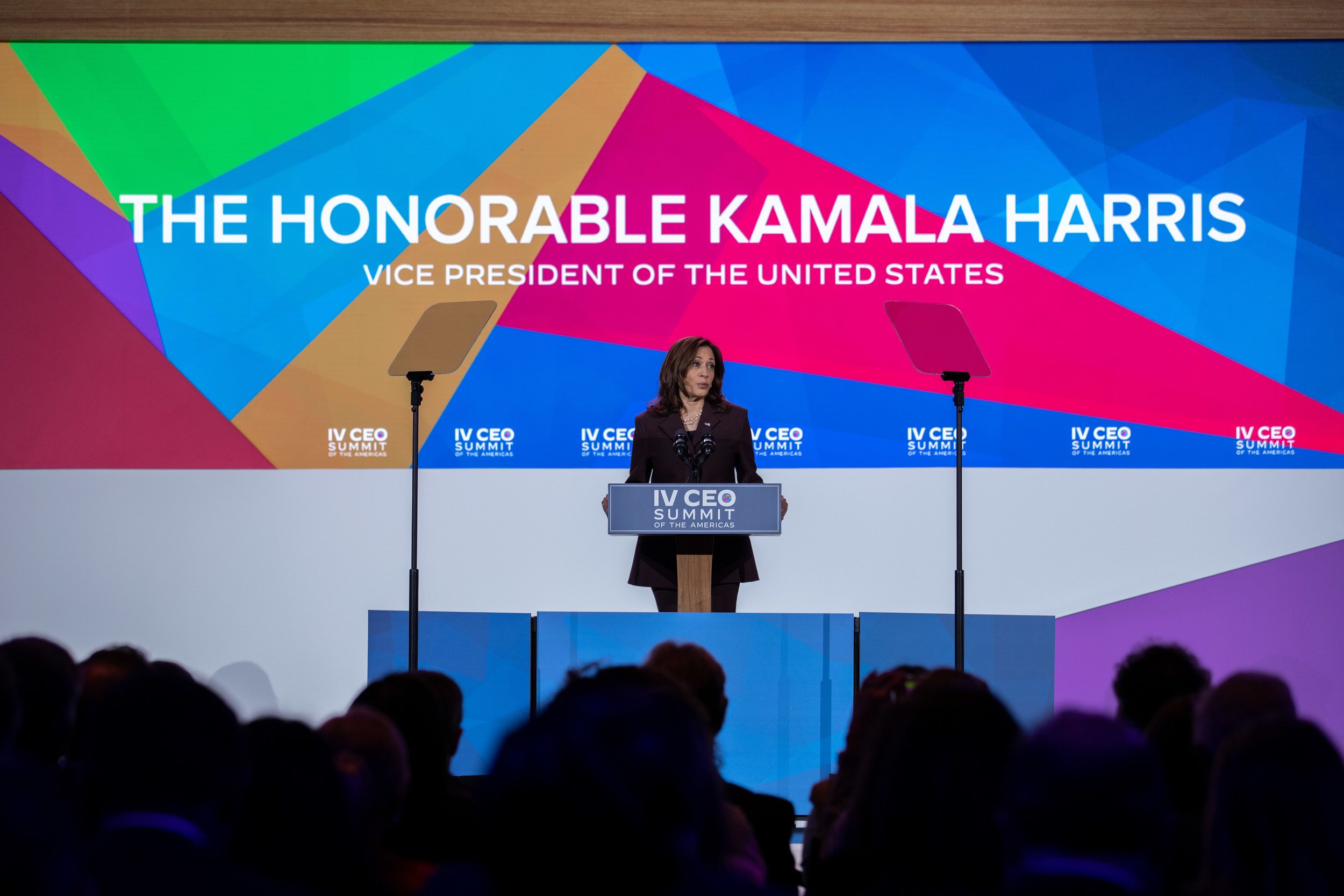
In federal contracting, the prime contractor is accountable under the Federal Acquisition Regulation (FAR) and other compliance frameworks.
Simply put: The prime contractor owns the contract.
What Is a Subcontractor?
A subcontractor is contracted by the prime contractor to deliver a defined portion of the work.
The subcontractor:
Provides specialized expertise
Performs within a defined scope
Reports to the prime contractor
Is responsible for their own compliance within scope
Does not hold the direct contract with the end client
Subcontractors are essential when a contract requires capabilities beyond a single firm’s in-house expertise.
In complex live event environments, this often includes:
Technical production
Broadcast integration
Experiential design
Show calling
Risk management and security coordination
Specialized staging or scenic elements

Subcontracting allows primes to scale intelligently while maintaining quality and compliance.
Prime Contractor vs. Subcontractor: Key Differences
Subcontractor
Contracts with prime
Responsible for defined scope
Reports to prime
Must comply with flow-down clauses
Supports contract execution
Prime Contractor
Holds direct contract with client
Responsible for total performance
Manages subcontractors
Accountable for compliance & reporting
Owns client relationship
Both roles are strategic. Neither is secondary. They simply operate at different structural levels.
Responsibilities of a Subcontractor
Working as a subcontractor under a prime contractor requires clarity and discipline.
Responsibilities often include:
1. Delivering Defined Scope
Subcontractors must perform exactly what is outlined in their statement of work.
2. Meeting Compliance Standards
Federal and corporate contracts often include “flow-down” clauses requiring subcontractors to comply with:
Insurance requirements
Security protocols
Labor standards
Reporting structures
Data protection policies
3. Coordinating Seamlessly
Subcontractors must integrate into the prime contractor’s:
Communication systems
Project management platforms
Budget frameworks
Timeline milestones
4. Protecting the Prime’s Reputation
Performance reflects on the prime contractor. Reliability is non-negotiable.
In high-visibility environments, especially government or public-facing events, excellence under pressure is essential.
Subcontracting in Government and Federal Contracts
In federal contracting environments, subcontracting plays a critical role.
Government contracts often require:
Small business participation
Minority-owned or disadvantaged business inclusion
Structured subcontracting plans
Documented reporting
Subcontractors must understand:
FAR compliance
Insurance thresholds
Security clearance considerations
Credentialing requirements
Federal procurement processes
For event production partners, this means aligning technical excellence with regulatory discipline.
Stratus Firm has experience operating within these frameworks, whether serving as prime contractor or subcontracting under larger integrators and federal primes.
How Subcontracting Works in Event Production
Live event production often involves layered partnerships.
For example:
Scenario 1: Federal Prime with Event Production Subcontractor
A large defense contractor wins a federal contract to produce a national summit. They subcontract Stratus Firm to lead:
Technical production
Staging and lighting
Run of show development
Show calling
On-site coordination
Scenario 2: Agency Prime with Production Subcontractor
A global communications firm leads brand strategy and messaging, but subcontracts live event production to Stratus for:
Scenic design
Audio/visual engineering
Broadcast staging
Security integration
Scenario 3: Venue-Driven Prime Structure
A venue holds a master services contract and subcontracts event production to specialized firms.
In each case, subcontracting strengthens execution.
When Stratus Firm Acts as a Prime Contractor
Stratus Firm serves as a prime contractor when directly contracted to lead full-scale event production engagements, including:
Federal agency convenings
Association conferences and summits
Nonprofit galas
Corporate experiential programs
International forums
In this role, we:
Hold the master contract
Manage vendor and subcontractor teams
Oversee compliance and reporting
Lead production strategy
Act as the central integrator
We take full ownership of the client relationship and contract performance.
When Stratus Firm Acts as a Subcontractor
Stratus Firm also serves as a subcontractor under prime contractors when:
A federal prime requires specialized live event production
A corporate integrator needs technical production expertise
A public-sector contractor requires staging and experiential execution
A venue master agreement calls for specialized support
In these cases, we:
Integrate seamlessly into the prime’s reporting structure
Deliver defined production scope
Support compliance requirements
Enhance execution without disrupting the contract framework
Our flexibility allows us to operate at any level of the contracting ecosystem.
Benefits of Working as a Subcontractor
Subcontracting provides advantages for both parties.
For Prime Contractors:
Access to specialized expertise
Reduced risk
Scalability
Compliance support
Faster execution
For Subcontractors:
Access to larger contracts
Opportunity to support high-profile programs
Structured revenue streams
Long-term teaming partnerships
Subcontracting is not a secondary role. It is a strategic collaboration.
Risks and Considerations
Like any contract structure, subcontracting carries considerations:
Reduced direct control over client relationship
Flow-down compliance obligations
Payment timelines dependent on prime
Defined scope limitations
Clear teaming agreements and communication protocols mitigate these risks.
Experienced firms understand how to structure subcontracting relationships that protect all parties.
Choosing the Right Structure: Prime or Subcontractor?
The decision depends on:
Contract requirements
Scope of work
Compliance complexity
Internal capacity
Risk tolerance
Client preference
Some engagements require prime leadership. Others benefit from layered expertise. The most capable firms are those that can operate confidently in both roles. Stratus Firm is built to do exactly that.
Conclusion: Strategic Partnership Drives Stronger Events
Working as a subcontractor under a prime contractor means delivering specialized excellence within a larger contractual framework.
It requires:
Precision
Collaboration
Compliance awareness
Clear scope alignment
Calm execution under pressure
In live event production, where timelines are tight and visibility is high, structured partnerships enable complex programs to succeed.
Whether leading as a prime contractor or integrating as a subcontractor, Stratus Firm brings the same level of discipline, creativity, and operational clarity to every engagement.
If you’re navigating a federal contract, corporate RFP, or multi-partner engagement, we’re ready to support you.
Let’s build the right partnership for your next high-impact event.
-
A prime contractor holds the main contract directly with the client and is responsible for total performance. A subcontractor is hired by the prime to deliver a defined portion of the work.
-
Typically, subcontractors report to the prime contractor, not the end client, unless otherwise structured within the contract.
-
The prime contractor holds overall compliance responsibility, but subcontractors must comply with flow-down requirements within their scope.
-
Companies subcontract event production to access specialized expertise, scale operations, reduce risk, and ensure high-quality execution within complex contracts.
-
Yes. Many experienced firms, including Stratus Firm, operate in both roles depending on the contract structure and client needs.