
Creative Themes for Award Dinners That Go Beyond the Ballroom

Award dinners matter.
They celebrate achievement, reinforce culture, strengthen relationships, and elevate brand perception. But too often, award ceremonies fall into a familiar formula: round tables, neutral linens, stage at the front, predictable décor, plated dinner, applause, repeat.
There is nothing wrong with the ballroom. But when the setting becomes default instead of deliberate, the experience can feel expected instead of elevated.
Today’s audiences crave something more immersive. More intentional. More aligned with brand and story.
Creative award dinner themes, when strategically designed, transform recognition events into unforgettable experiences.
Why Traditional Award Dinners Can Feel Predictable
The ballroom format is popular for a reason. It’s efficient, scalable, and logistically straightforward. But predictability can diminish impact. When guests walk into a space that feels like every other annual dinner they’ve attended, excitement dips. Energy softens. Attention spans shrink. Awards are moments of honor. They deserve an environment that matches their significance. The goal is not extravagance for its own sake. It’s alignment.
Creative award dinner themes shift the experience from “another gala” to “a moment worth remembering.”
What Makes an Award Dinner Theme Feel Elevated?
An elevated award dinner theme goes beyond décor. It influences:
Venue selection
Stage design
Lighting and sound
Menu experience
Guest journey
Award presentation style
Entertainment and pacing
The theme becomes the throughline — not just the backdrop. The difference between decoration and design is strategy
An elevated theme should:
Reflect brand values
Support storytelling
Enhance sponsorship visibility
Create visual impact for photography and social media
Sustain energy throughout the program
When all elements work together, the theme feels intentional rather than ornamental.
10 Creative Award Dinner Themes That Go Beyond the Ballroom
Below are award dinner themes that push beyond the standard gala model while remaining strategic and executable.
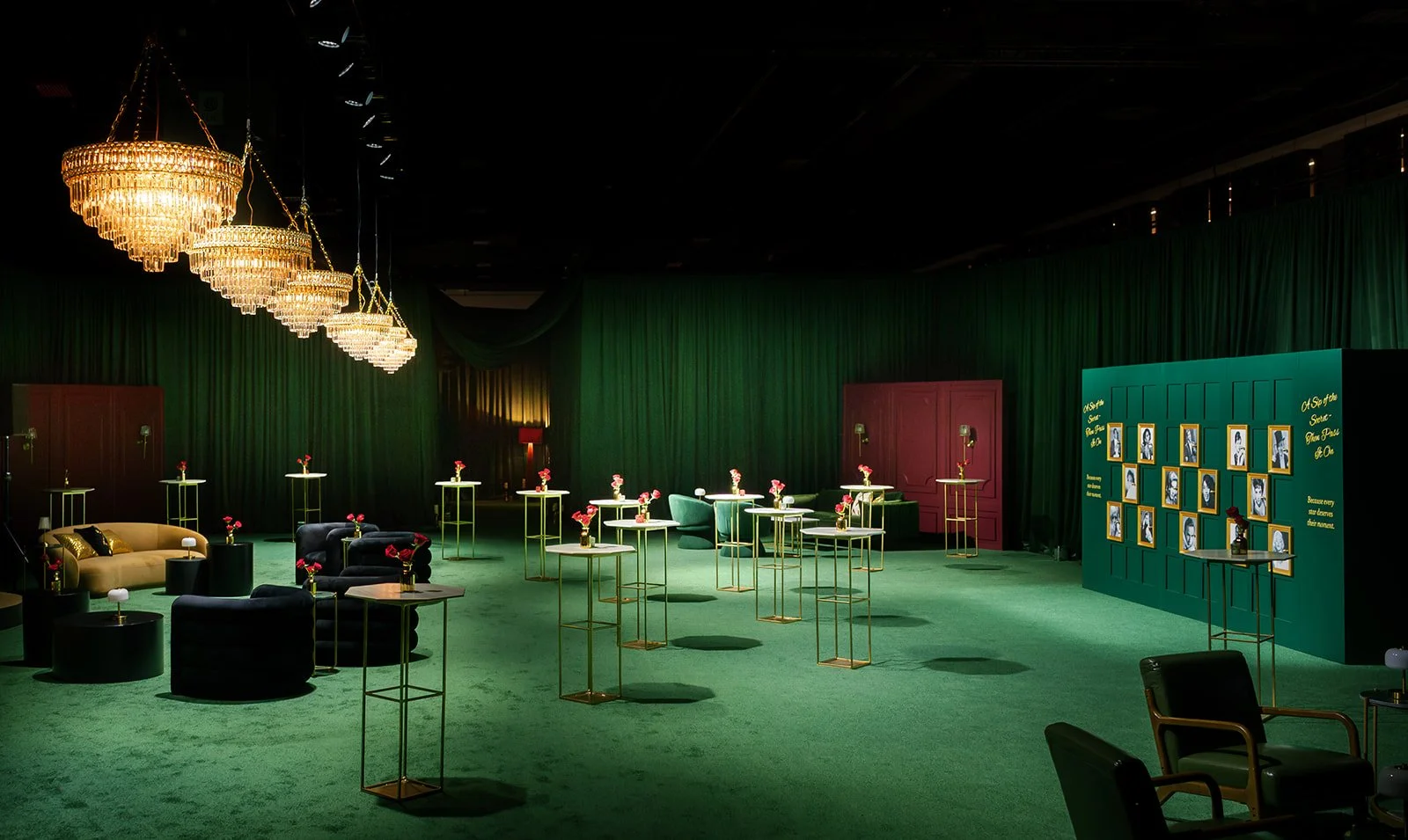
1. The Modern Speakeasy
A refined, prohibition-inspired experience with moody lighting, intimate seating clusters, craft cocktails, and live jazz.
Why it works:
It creates warmth and intimacy, perfect for recognition events where storytelling matters. It encourages conversation and layered visual design.
Production considerations:
Ambient lighting design is critical. The stage should feel integrated into the room, not separate from it.
2. The Future Is Now
A sleek, futuristic theme built around innovation and forward-thinking energy.
Why it works:
Ideal for technology companies or innovation-focused organizations. It positions award recipients as pioneers.
Production considerations:
LED walls, dynamic lighting, metallic textures, and interactive digital moments elevate the experience.
3. A Night at the Museum
Host the dinner in a gallery, cultural institution, or historic space.
Why it works:
Built-in architecture replaces traditional scenic so guests feel transported.
Production considerations:
Lighting must respect venue restrictions while enhancing the environment. Staging should complement, not compete with, the setting.
4. Elevated Garden Soirée
An indoor-outdoor inspired dinner with layered greenery, organic textures, and immersive floral installations.
Why it works:
It feels fresh, modern, and less formal without sacrificing elegance.
Production considerations:
Strategic lighting ensures the space feels lush rather than busy.
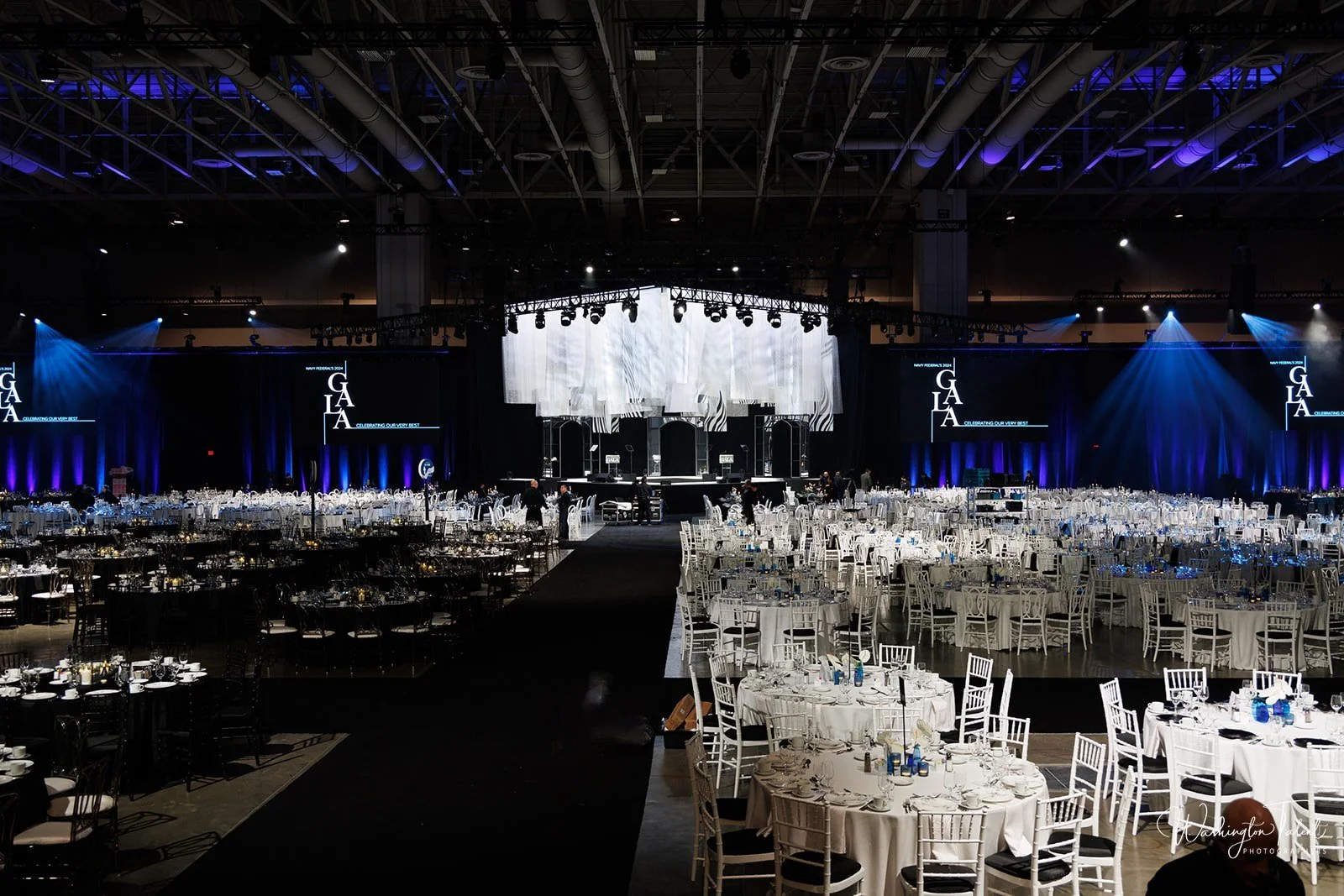
5. Black & White Reinvented
A minimalist, high-contrast aesthetic with architectural lighting and intentional negative space.
Why it works:
Timeless but modern. It elevates the ceremony itself by removing distractions.
Production considerations:
Focus on stage design, typography, and crisp visual transitions.
6. Global Celebration
A theme inspired by international cultures, cuisine stations, and immersive design zones.
Why it works:
It celebrates diversity and broad impact, ideal for nonprofits or global brands.
Production considerations:
Flow must support exploration while keeping program transitions smooth.
7. Studio 54 Reimagined
A glamorous nod to disco-era energy, but with modern restraint.
Why it works:
High energy. Strong visual identity. Ideal for milestone celebrations.
Production considerations:
Balance spectacle with sophistication. The awards must remain the hero.
8. The Innovation Lab
Transform the event into an immersive lab-style environment where award categories feel like “breakthroughs.”
Why it works:
It reframes recognition as discovery and progress.
Production considerations:
Interactive elements and experiential activations enhance engagement.
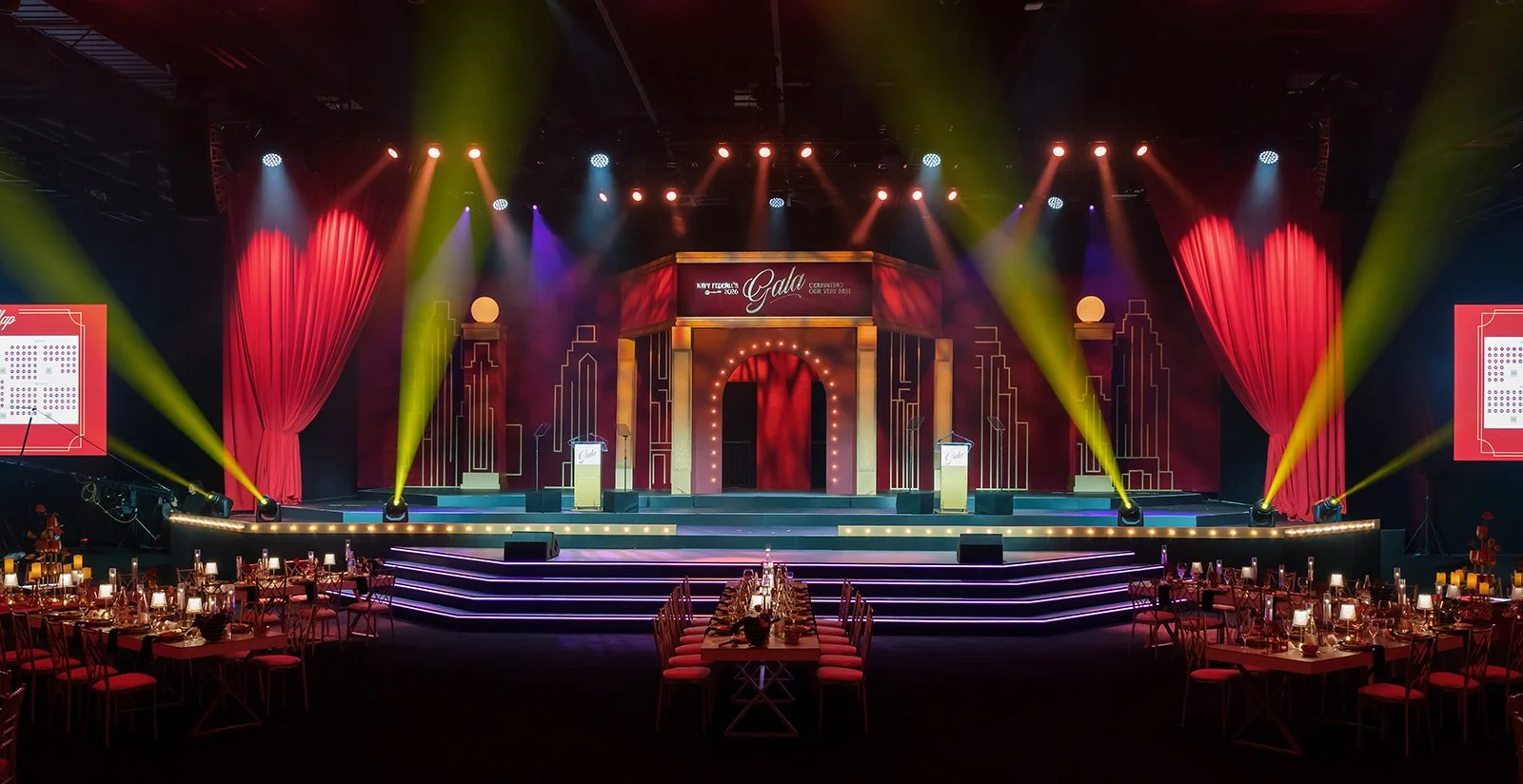
9. Old Hollywood, Modern Lens
A refined cinematic experience with dramatic lighting and storytelling moments.
Why it works:
Awards feel prestigious and theatrical.
Production considerations:
Strong show flow and rehearsal are essential to maintain pacing.
10. Storytelling in the Round
Reconfigure the traditional stage format. Place presenters among guests. Use in-the-round staging.
Why it works:
It reduces distance between honorees and audience. It feels contemporary and immersive.
Production considerations:
Sightlines and audio reinforcement must be carefully designed.
Moving Beyond the Ballroom Through Venue Strategy
Sometimes the most impactful shift isn’t the theme, it’s the space. Warehouses, rooftops, historic libraries, industrial lofts, museums, and even outdoor pavilions expand creative possibilities. When the venue supports the concept, the need for heavy décor decreases and authenticity increases. Award dinner themes become more powerful when the environment itself participates.
Designing Themes That Support the Program
A common mistake is separating the theme from the awards ceremony. The awards program must feel integrated.
Consider:
Custom award reveal moments
Thematic transitions between categories
Video storytelling aligned with visual design
Music cues that reinforce energy
An immersive award dinner theme should enhance recognition — not distract from it.
Sponsorship and Theme Alignment
Creative themes also unlock stronger sponsorship opportunities.
Instead of static logos on step-and-repeats, sponsors can be integrated into:
Themed lounges
Interactive stations
Signature cocktails
Immersive environments
Digital integrations
When themes are strategic, sponsor visibility feels organic rather than transactional.
When to Break Tradition — and When Not To
Not every award dinner should abandon tradition.
Some audiences expect formal elegance. Some ceremonies require gravitas.
The decision should be guided by:
Audience expectations
Brand positioning
Event history
Organizational culture
Stakeholder comfort
Creative does not mean chaotic. Elevated does not mean overdesigned. The best award dinner themes feel inevitable, not forced.
Final Thoughts: Designing an Award Dinner Worth Remembering
Award dinners are moments of affirmation. They celebrate achievement. They reinforce identity. They shape perception.
When themes move beyond the predictable ballroom formula and become immersive, strategic environments, recognition feels more powerful. At Stratus Firm, we believe award dinners should feel intentional from the moment guests arrive to the final applause. Creative themes are not about spectacle. They are about experience. And experience is what people remember.
Ready to plan your next awards dinner?
Frequently Asked Questions
-
Start with brand identity and audience expectations. The theme should reflect organizational values, support storytelling, and align with the level of formality appropriate for the event.
-
Creative corporate award dinner themes include modern speakeasy, futuristic innovation, storytelling in the round, immersive museum experiences, and elevated garden soirées.
-
Yes. Alternative venues such as museums, rooftops, industrial spaces, and cultural institutions can create more immersive and memorable experiences.
-
Focus on experiential design elements such as lighting, stage configuration, interactive moments, and creative pacing rather than relying solely on traditional banquet layouts.
-
Not necessarily. While some immersive themes require additional production investment, thoughtful venue selection and strategic design can reduce décor costs while increasing impact.