
Managing Delegations on International Trips: A Guide to Global Event Logistics
Global events bring together leaders, policymakers, and industry experts from around the world. Whether the occasion is an international security forum, trade mission, corporate summit, or policy conference, these gatherings often rely on well-organized delegations traveling across borders to participate.
Behind the scenes, coordinating these trips requires significant planning. International travel, diplomatic protocol, time-zone differences, and complex scheduling all add layers of logistical complexity.
That’s why international delegation management is a specialized discipline within event planning.
When done well, delegation coordination creates seamless experiences for participants while enabling productive meetings, meaningful conversations, and successful outcomes for the host organization.
Here’s what it takes to manage delegations effectively during international trips.
What Is International Delegation Management?
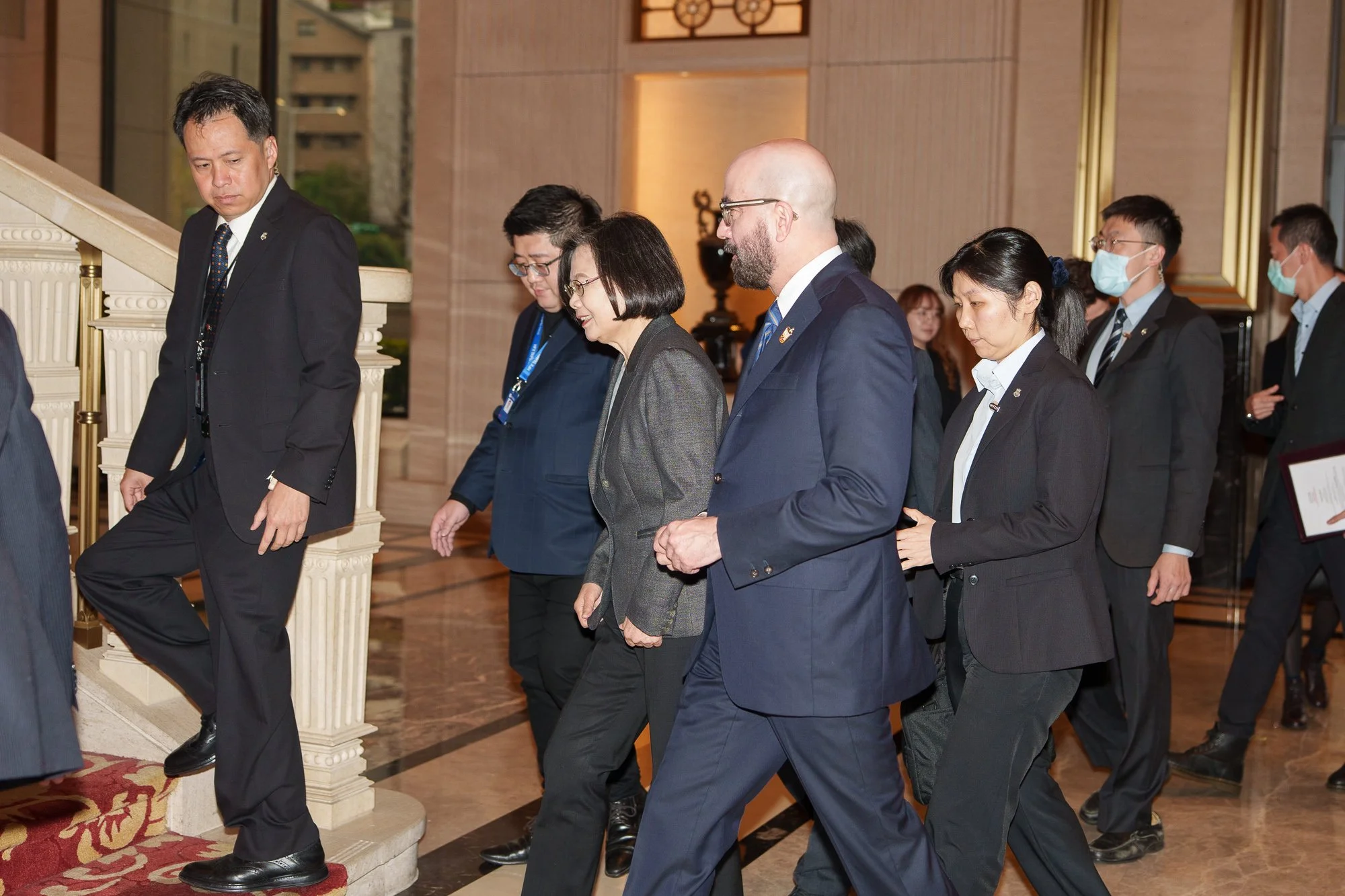
International delegation management refers to the coordination of travel, logistics, scheduling, and stakeholder engagement for groups traveling internationally to participate in events, meetings, or official programs.
Delegations may include:
government officials
corporate executives
industry leaders
nonprofit representatives
policy experts
Managing these groups involves far more than booking flights and hotels. It requires thoughtful coordination of every aspect of the delegate experience.
This includes:
travel arrangements
visa and documentation requirements
transportation coordination
meeting schedules
cultural and diplomatic protocols
on-site support during the program
The goal is to ensure that participants can focus on their meetings and engagements while logistical details run smoothly in the background.
Why Global Events Require Specialized Planning
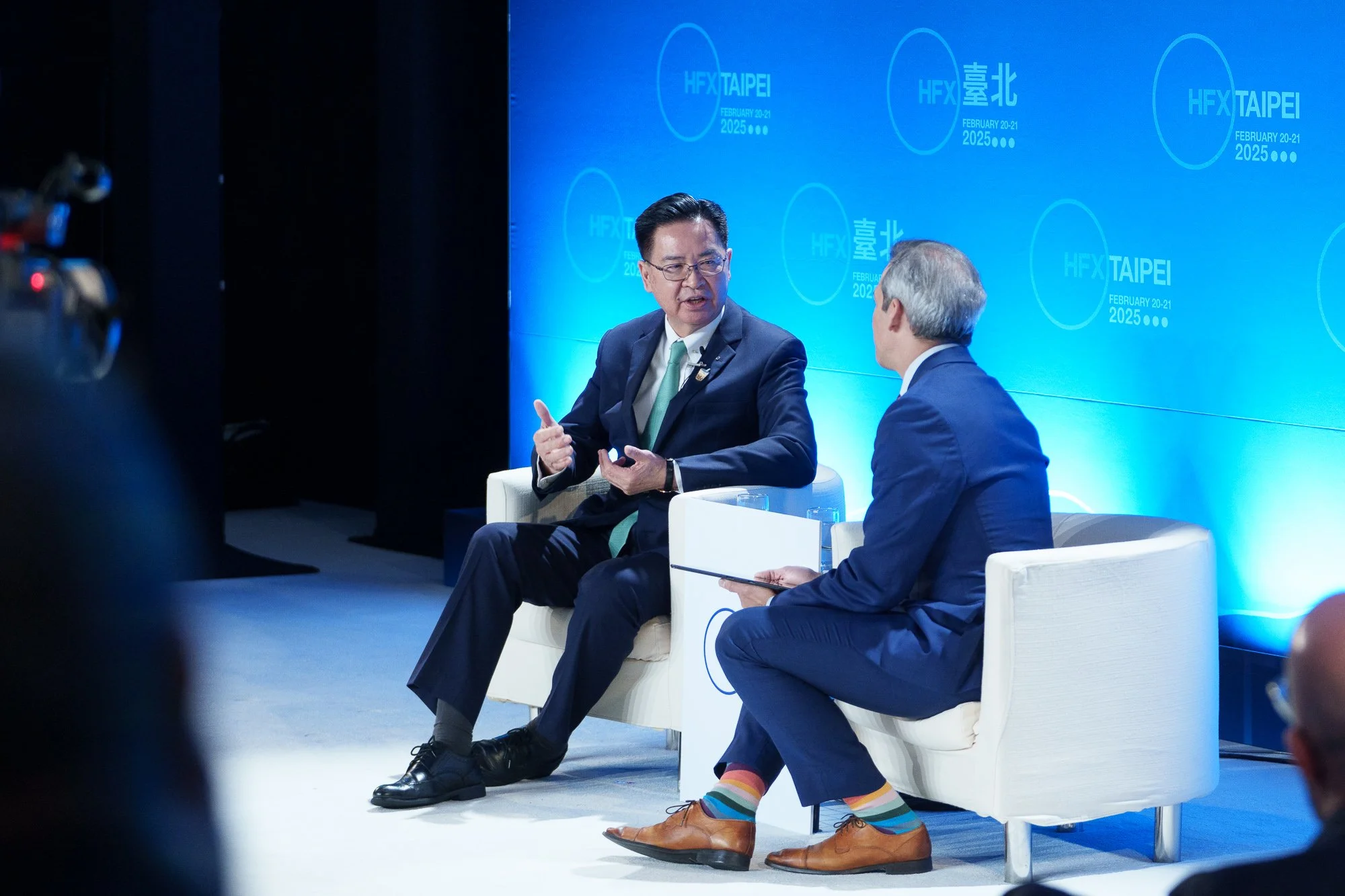
International events differ significantly from domestic gatherings. Cross-border travel introduces additional considerations such as immigration procedures, cultural expectations, and language barriers. Delegates may arrive from multiple regions with different travel requirements, time zones, and schedules. Global events often involve high-level stakeholders, which adds another layer of complexity. Senior leaders, government representatives, or industry experts may require additional protocol, security coordination, or media management.
Because of these factors, managing international delegations requires careful preparation and coordination. Without a clear plan, even small logistical issues can disrupt the overall experience.
Key Logistics for International Delegations
Effective delegation management begins with a clear logistical framework. Event organizers must coordinate several key components:
Travel Coordination
Delegates often travel from different countries and regions. Travel planning should account for flight schedules, arrival times, and potential delays.
Documentation Requirements
Depending on the destination, delegates may require visas, travel authorizations, or specific documentation.
Accommodation Planning
Hotels should be selected based on proximity to event venues, meeting locations, and transportation routes.
Transportation Logistics
Delegates may need transportation between airports, hotels, conference venues, and official meeting locations.
Each of these elements must be coordinated carefully to ensure a seamless experience.
Travel and Transportation Coordination
Travel coordination often begins months before the event.
Organizers typically collect travel information from delegates early in the planning process. This allows them to manage arrival schedules and coordinate airport transfers.
Transportation planning may include:
airport pickup services
hotel shuttles
transportation between venues
organized group transfers for official meetings
For large delegations, transportation planning can become particularly complex. Delegates may arrive at different times or require transportation to multiple locations throughout the program.
Clear communication and centralized coordination help ensure that travel logistics operate smoothly.
Cultural Protocol and Diplomatic Considerations
International delegations often bring together participants from diverse cultural backgrounds.
Understanding cultural expectations is essential to creating a respectful and productive environment.
This may include:
appropriate meeting etiquette
formal greeting protocols
cultural considerations for scheduling and hospitality
interpretation or translation services
In diplomatic or government settings, protocol requirements may be even more specific.
Event planners should work closely with hosts, embassies, or policy advisors to ensure that the program reflects appropriate cultural and diplomatic practices.
Scheduling Across Time Zones and Languages
Scheduling international delegations involves managing multiple calendars across time zones.
Delegates may participate in:
policy briefings
corporate site visits
conference sessions
networking receptions
official meetings with government representatives
Because participants may be traveling long distances, scheduling must account for travel fatigue and jet lag.
Balanced schedules with appropriate breaks allow delegates to remain engaged and productive throughout the program.
Language differences may also require interpretation services or translated materials to ensure clear communication.
Security and Risk Management
International travel introduces additional security considerations.
Organizations should evaluate potential risks related to:
transportation logistics
travel disruptions
venue security
emergency response planning
For high-profile delegations, coordination with local security teams or government authorities may be necessary.
Contingency planning is also important. Travel delays, weather disruptions, or schedule changes can occur unexpectedly, so event planners should prepare backup options.
Proactive planning helps ensure that delegates remain safe and informed throughout the trip.
Managing On-Site Experiences for Delegates
Once delegates arrive at the destination, the focus shifts to managing their on-site experience.
Clear communication is essential. Delegates should receive detailed itineraries that include:
meeting schedules
transportation instructions
venue locations
contact information for event staff

Many organizations provide a central coordination team or event staff who can answer questions and assist delegates during the program.
Some programs also include hospitality elements such as welcome receptions or cultural experiences, which can strengthen relationships among participants.
When delegates feel supported and informed, they are better able to focus on the purpose of the trip.
International Delegation Planning Checklist
Managing global delegations requires careful preparation. The following checklist highlights key planning steps.
Pre-Event Planning
☐ Confirm delegation participants
☐ Identify travel requirements and documentation needs
☐ Secure hotel accommodations
☐ Develop preliminary meeting schedule
Travel Coordination
☐ Collect travel itineraries
☐ Arrange airport transfers
☐ Confirm transportation providers
☐ Share arrival instructions with delegates
Program Development
☐ Schedule meetings and sessions
☐ Prepare briefing materials
☐ Coordinate interpretation services if needed
☐ Develop detailed event itinerary
On-Site Coordination
☐ Provide delegates with final schedules
☐ Assign staff for on-site support
☐ Monitor transportation and meeting schedules
☐ Communicate updates to participants
Post-Event Follow-Up
☐ Send thank-you messages to hosts and partners
☐ Share event summaries or materials
☐ Maintain relationships with participating delegates
A structured checklist helps ensure no detail is overlooked.
Communication and Real-Time Coordination
One of the most important aspects of delegation management is communication.
Delegates should receive clear instructions before traveling and regular updates throughout the program.
Event organizers often use:
messaging apps or communication platforms
daily briefing emails
printed itineraries or mobile event apps
Real-time communication helps organizers respond quickly to schedule changes or logistical adjustments.
Clear communication also reinforces professionalism and trust among participants.
Post-Trip Follow-Up and Relationship Building
The conclusion of the delegation trip does not mark the end of the program.
Follow-up communication helps strengthen relationships developed during the event.
Organizations may continue engagement through:
post-event summaries
follow-up meetings
updates on initiatives discussed during the trip
Delegations often serve as the beginning of ongoing collaboration, making post-trip engagement an essential part of the process.
Final Thoughts: Delivering Seamless Global Experiences
Managing international delegations requires thoughtful planning, precise coordination, and cultural awareness.
From travel logistics and scheduling to on-site support and relationship management, every detail contributes to the overall success of the experience.
When these elements are aligned, delegation trips become more than logistical exercises, they become opportunities for meaningful collaboration, knowledge exchange, and lasting partnerships.
Organizations that invest in strong delegation management create environments where global leaders can focus on what matters most: building relationships and advancing shared goals.
Ready to plan your next international experience?
-
International delegation management involves coordinating travel, logistics, scheduling, and participant experiences for groups attending global events or official programs.
-
Most international delegation programs require several months of planning to coordinate travel logistics, meeting schedules, and documentation requirements.
-
Common challenges include coordinating travel from multiple countries, managing time-zone differences, addressing language barriers, and ensuring smooth transportation and scheduling.
-
Successful programs provide clear schedules, efficient travel coordination, strong communication, and opportunities for meaningful meetings and collaboration.
-
Yes. Managing international delegations often involves diplomatic protocol, complex logistics, and cultural considerations that benefit from experienced event planning support.