
Live Event Production vs Virtual Production: What’s the Difference?

The way organizations gather has changed, but the need for meaningful connection has not.
Whether you’re planning a leadership summit, product launch, annual conference, or high-profile public event, one of the first decisions you’ll make is format:
Should this be live and in-person?
Should it be virtual?
Or does hybrid make more sense?
Understanding the difference between live event production and virtual production is essential before budgets are set, venues are secured, or platforms are selected.
Both formats can be powerful. But they serve different strategic purposes, require different production approaches, and deliver different types of impact.
Let’s break it down.
What Is Live Event Production?
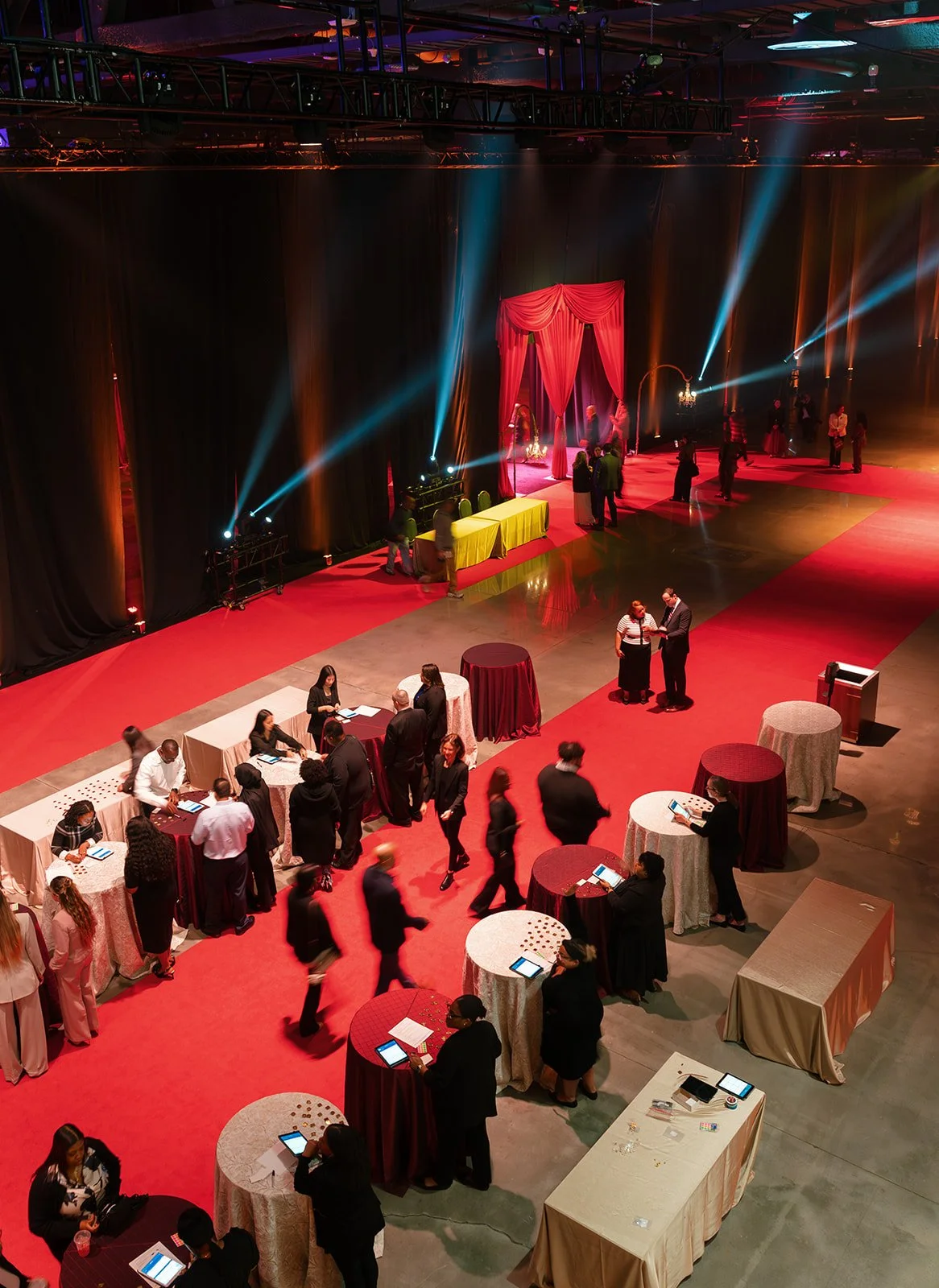
Live event production involves the on-site planning, staging, technical coordination, and execution of in-person events.
It includes:
Venue selection and management
Scenic and stage design
Lighting, audio, and video systems
Crowd flow and logistics
On-site technical crews
Guest experience coordination
Live event production is immersive. It creates shared energy, collective emotion, and experiential moments that are difficult to replicate digitally.
When done well, live events generate:
Deep relationship building
Emotional resonance
Brand prestige
Cultural alignment
High-impact storytelling
Live production is not just about AV. It’s about orchestrating an environment.
What Is Virtual Production?
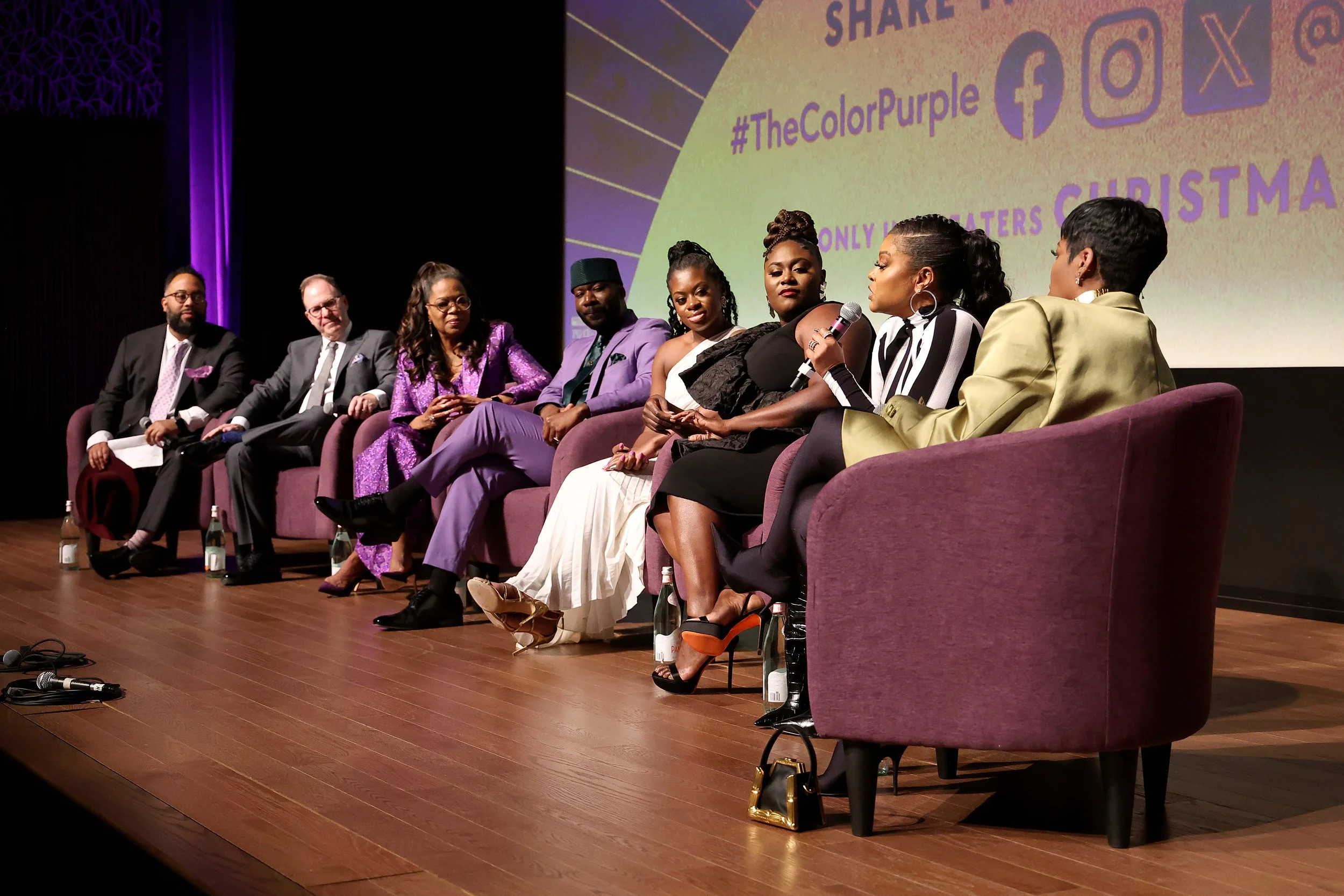
Virtual production focuses on delivering event experiences digitally to remote audiences.
It includes:
Streaming platforms
Broadcast studios or remote capture
Multi-camera setups
On-screen graphics and overlays
Encoding and internet redundancy
Interactive audience tools (chat, polling, Q&A)
Virtual production borrows heavily from broadcast television. It prioritizes clarity, precision, and scalability.
Unlike live events, where energy is felt in the room, virtual production must manufacture engagement through pacing, visual design, and content structure.
When done well, virtual events provide:
Expanded audience reach
Lower travel barriers
Data-rich analytics
Flexible access
Cost control in specific categories
Virtual production is less about the room and more about the screen.
Side-by-Side Comparison
Below is a high-level comparison of live event production vs virtual production:
Category
Audience Experience
Engagement Style
Production Focus
Cost Drivers
Reach
Data & Analytics
Risk Profile
Emotional Impact
Networking Value
Flexibility
Live Event Production
Immersive, emotional, shared energy
Collective reactions, networking, and physical activations
Staging, lighting, sound reinforcement, logistics
Venue, catering, travel, labor, scenic build
Limited by physical capacity
Surveys, attendance metrics
Weather, crowd flow, physical logistics
High — in-room energy
Strong
Requires advanced build and load-in
Virtual Production
Digital, screen-based, individual
Chat, polls, Q&A, digital interaction
Cameras, streaming, graphics, broadcast quality
Platform licensing, studio, broadcast crew
Scalable, global
Detailed viewing analytics, engagement data
Technical failure, bandwidth, platform stability
Moderate — content-driven impact
Limited unless intentionally structured
Can pivot more easily if structured correctly
Audience Engagement: Energy vs Accessibility
One of the biggest differences between live and virtual event production is how audiences engage.
Live events create collective emotional experiences. Crowd energy fuels speakers. Applause reinforces messaging. Shared physical space builds connection.
Virtual events prioritize accessibility. Attendees can join from anywhere. But engagement competes with inboxes, notifications, and distractions.
Live = Depth of connection
Virtual = Breadth of reach
The right choice depends on your goal.
If you need alignment, culture building, or relationship acceleration, live often wins.
If you need scale, global access, or information distribution, virtual may be more strategic.
Production Logistics: On-Site vs Broadcast-Centric

Live event production requires coordination across:
Venue operations
Load-in schedules
Rigging and staging
Power distribution
Fire codes and occupancy
Catering and hospitality
Crowd flow
Virtual production requires:
Stable internet redundancy
Streaming infrastructure
Backup encoders
Broadcast-level camera work
Graphic integration
Rehearsal precision
Both are complex, but the complexity lives in different places.
Live production complexity is physical.
Virtual production complexity is technical.
Budget Considerations: Where Costs Shift
There is a misconception that virtual events are always cheaper.
The reality is more nuanced.
Live event production costs include:
Venue rental
Catering
Travel and lodging
Scenic builds
On-site labor
Security
Virtual production costs include:
Platform licensing
Studio rental
Broadcast crew
Streaming infrastructure
Graphic design
Technical redundancies
While virtual eliminates catering and travel, high-quality broadcast production can be equally intensive.
Budget comparisons must consider strategic goals, not just line items.
Risk Management Differences
Live events face risks such as:
Weather
Crowd congestion
Vendor delays
Health and safety concerns
Virtual events face risks like:
Platform crashes
Internet instability
Speaker tech failure
Cybersecurity concerns
In both cases, redundancy and contingency planning are essential. The risk profile shifts, it doesn’t disappear.
When to Choose Live Event Production
Live event production is often best when:
Relationship building is critical
Brand prestige matters
High-impact storytelling is required
Executive visibility is high
Networking drives ROI
Culture alignment is a priority
Championship tournaments, investor summits, major product launches, and milestone celebrations often benefit most from live experiences.
When to Choose Virtual Production
Virtual production is strategic when:
Audience reach is global
Budget sensitivity is high
Travel is impractical
Content delivery outweighs networking
Rapid deployment is required
Quarterly updates, training programs, and distributed stakeholder meetings often perform well virtually.
The Rise of Hybrid Event Production
Hybrid events attempt to blend both formats.
But hybrid is not simply “live + stream.”
It requires:
Dual audience strategy
Parallel engagement planning
Balanced technical infrastructure
Content pacing for both room and screen
Hybrid production is often the most complex of all formats because it demands excellence in both environments simultaneously.
When executed well, hybrid events maximize reach and emotional depth.
When executed poorly, they can dilute both.
Strategic Considerations for Event Leaders
Before choosing a format, ask:
What outcome must this event drive?
Is depth or reach more important?
Where does ROI truly live?
What does our audience expect?
What level of emotional impact is required?
Format should follow strategy, not trend.
At Stratus Firm, we guide clients through these decisions by aligning event format with business objectives before production begins.
Whether serving as a full-scale live production partner or delivering virtual broadcast environments, our role is to ensure the format supports the mission.
Final Thoughts
Live event production and virtual production are not competitors. They are tools.
The most effective event leaders choose the format that aligns with:
Business goals
Audience expectations
Budget realities
Desired impact
In-person events create unmatched energy. Virtual events create unmatched accessibility. Hybrid creates opportunity — and complexity.
The key is strategic clarity before execution begins.
Ready to plan your next event?
Frequently Asked Questions
-
Live event production focuses on in-person staging, audience logistics, and immersive environments, while virtual production centers on digital delivery, streaming technology, and broadcast-quality execution.
-
Virtual events can reduce venue, travel, and catering costs, but high-quality streaming, studio production, and technical redundancy can still represent significant investment. Cost-effectiveness depends on goals and scale.
-
Hybrid event production combines in-person and virtual audiences. It requires dual engagement strategies and robust technical infrastructure to serve both audiences effectively.
-
Live events are ideal when relationship building, culture alignment, emotional resonance, and networking are critical to ROI.
-
Live ROI is often measured through relationship impact, brand perception, and sales acceleration. Virtual ROI can include detailed engagement analytics, participation metrics, and content consumption data.