
How to Plan a Successful Road Show: Logistics, Staffing, and Scheduling
A road show isn’t just one event.
It’s the same event repeated, refined, and executed across multiple cities, often under tight timelines and shifting conditions.
What looks seamless to attendees is, in reality, a highly coordinated operation where logistics, staffing, and scheduling must work in perfect alignment.
Because in a road show, success isn’t measured once. It’s measured every time the doors open.
What Is a Road Show?
A road show is a multi-city event series designed to deliver a consistent experience across different locations.
Common formats include:
corporate tours and client engagement series
product launches across key markets
real estate or development showcases
advocacy and stakeholder engagement tours
brand activations traveling city to city
Unlike a single event, a road show requires teams to think beyond one venue and one audience. It demands a system that can scale.
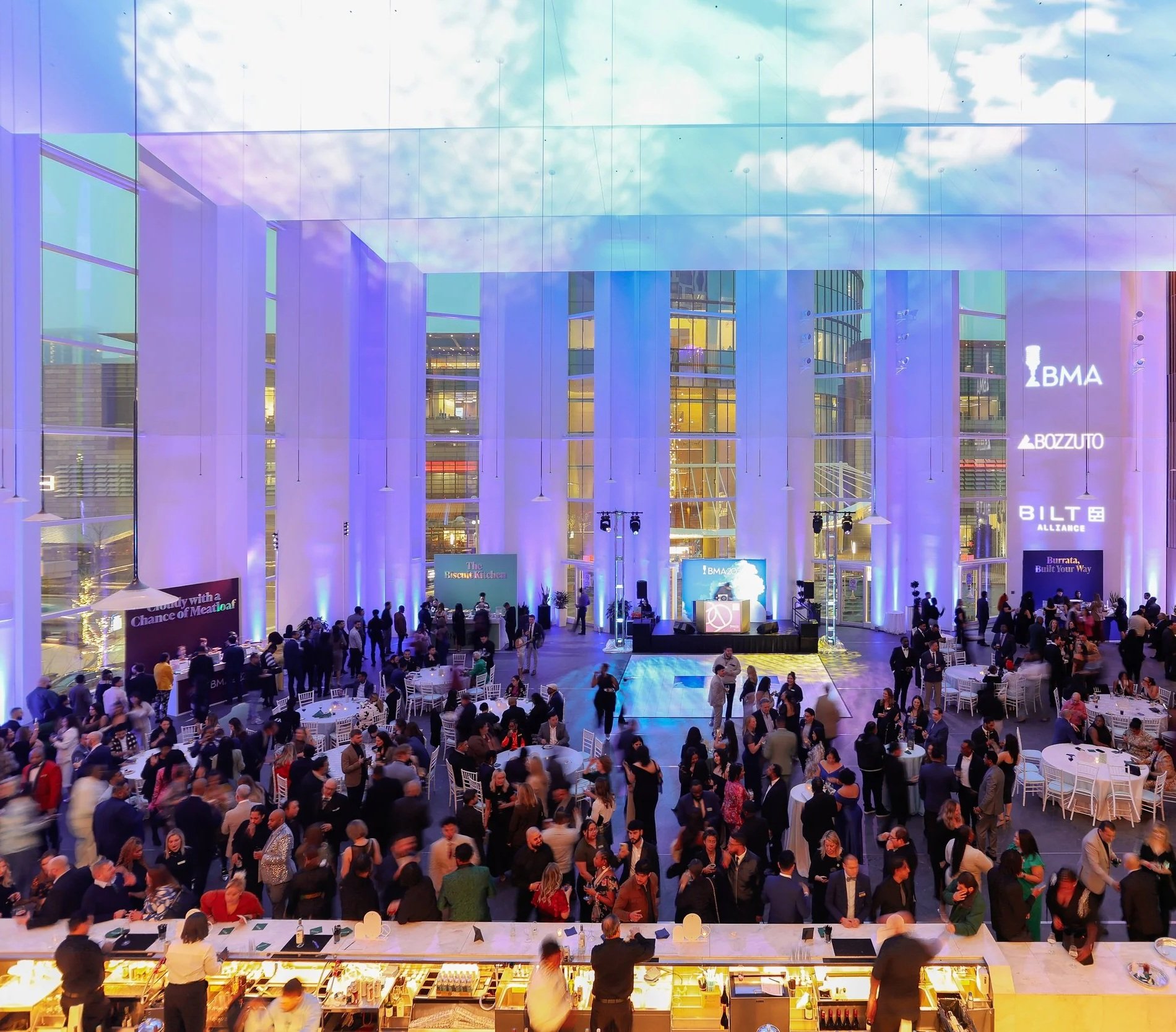
Why Road Shows Are Strategically Valuable
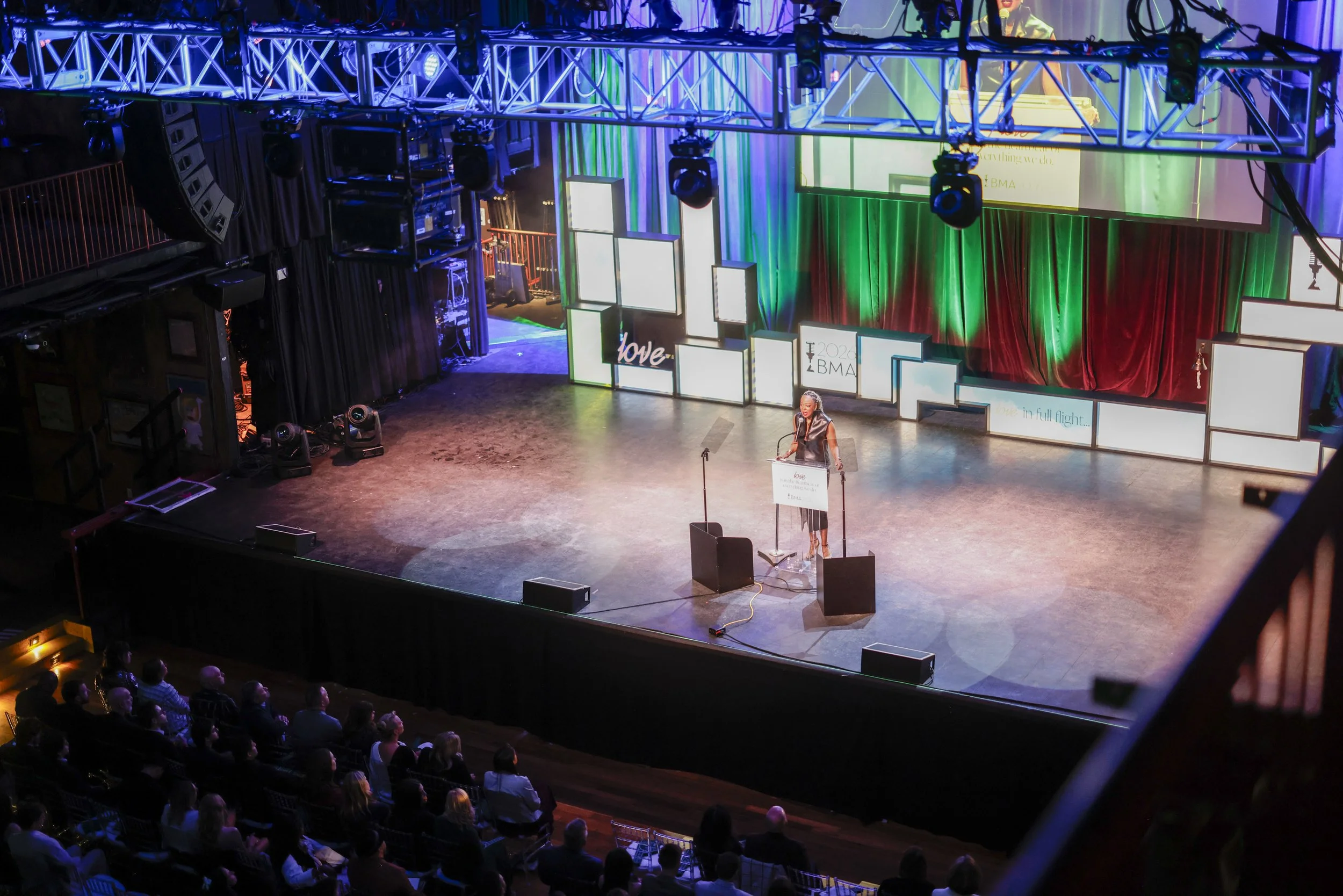
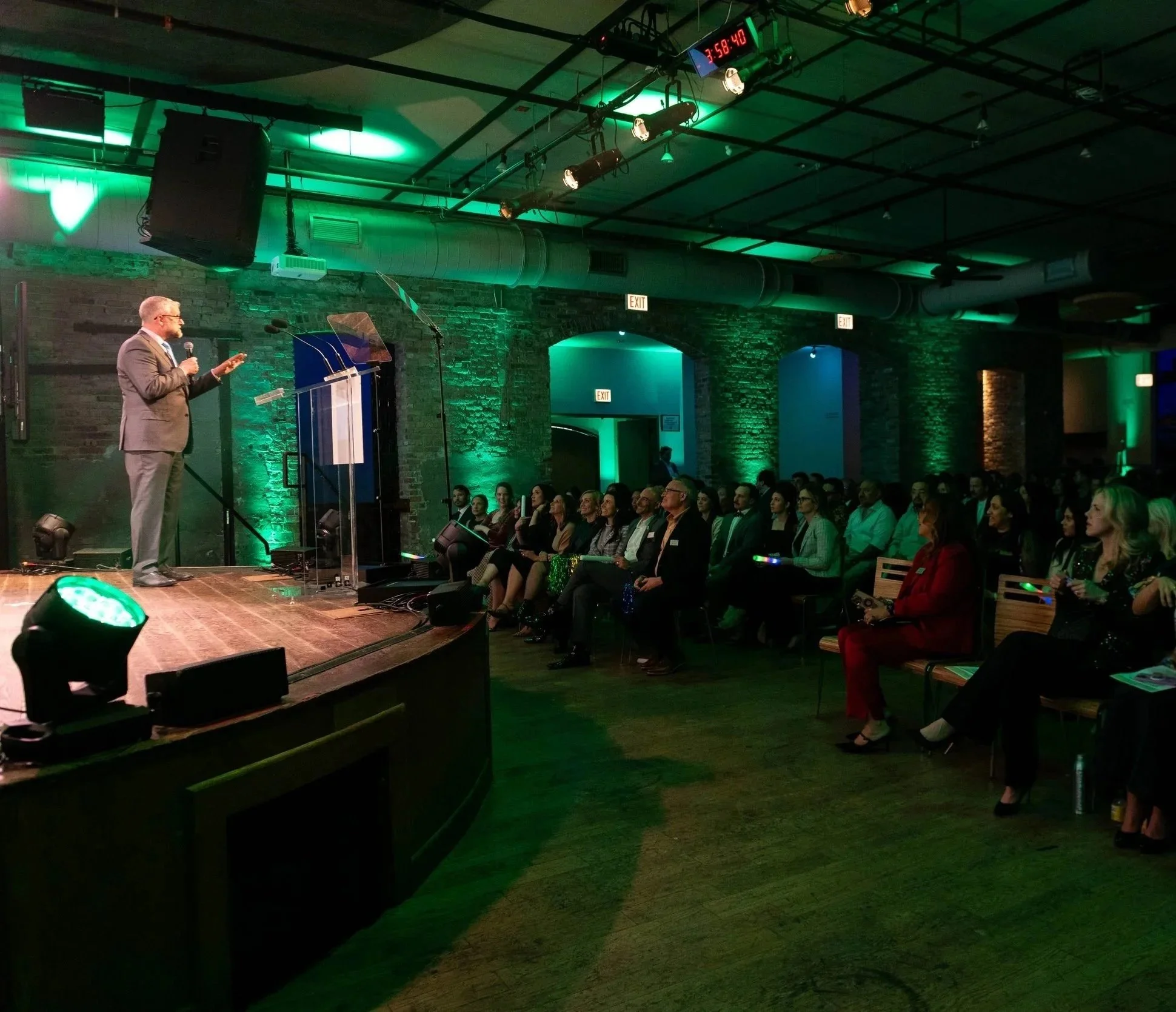
When executed well, road shows create momentum.
They allow organizations to:
engage multiple markets directly
build relationships in key regions
maintain consistent messaging across locations
generate sustained visibility over time
But that value only exists if the experience is consistent. If one city feels different from the next—logistically, visually, or operationally—the impact weakens.
Consistency is not a detail. It’s the strategy.
The Complexity of Multi-City Event Planning
Planning a single event is complex.
Planning five, ten, or more—back-to-back—is a different discipline entirely.
Road shows introduce:
varying venue layouts and requirements
different local vendors and regulations
travel logistics for people and materials
compressed timelines between stops
cumulative fatigue across teams
Every decision must account not just for one event, but for how it repeats and adapts across the entire series.
Road Show Logistics: Moving an Event Across Cities
Logistics are the backbone of any road show.
At its core, logistics answers one question: How does the event move?
Transportation and Freight
All physical elements, staging, signage, technology, and materials must be transported efficiently and reliably.
This requires:
detailed packing systems
labeled inventory
freight schedules aligned with load-in times
Venue Coordination
Each venue introduces unique constraints:
loading dock access
union requirements
technical capabilities
space limitations
Early coordination ensures that the event can be replicated without compromise.
Local Adaptation
No two cities are identical. Weather, infrastructure, and audience expectations may vary.
Strong logistics planning allows for flexibility without losing consistency.
Staffing a Road Show: Building a Team That Travels
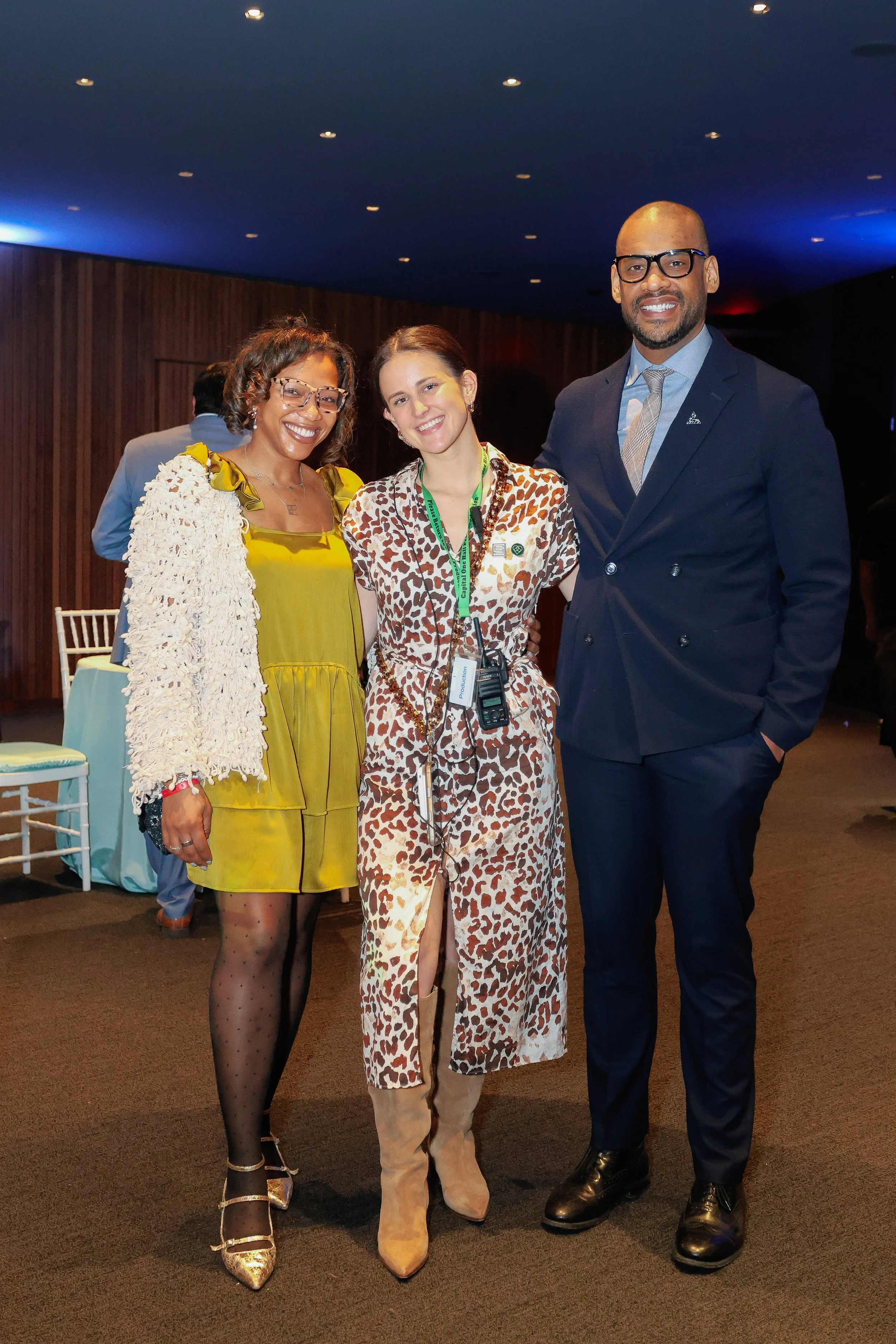
If logistics move the event, staffing delivers it.
The most effective road shows rely on a hybrid staffing model:
Core Traveling Team
A consistent group responsible for:
production oversight
brand integrity
decision-making
continuity across cities
This team ensures that each event feels like the same experience.
Local Support Teams
Local staff provide:
venue-specific knowledge
additional labor and technical support
regional expertise
The key is integration. Local teams must be aligned quickly and clearly with the traveling team’s standards and expectations.
Clear Roles and Communication
In fast-moving environments, clarity is everything.
Each team member should understand:
their role
reporting structure
escalation protocols
When everyone knows their lane, execution becomes smoother.
Scheduling Across Markets: Precision and Flexibility
Road show schedules are tight by design.
But tight doesn’t mean rigid.
Routing Strategy
Cities should be scheduled in a logical sequence to minimize:
travel time
shipping costs
team fatigue
Load-In and Load-Out Timing
Every hour matters.
Schedules must account for:
venue access windows
setup time
rehearsals
breakdown and reset
Buffer Time
Unexpected delays are inevitable.
Smart schedules include buffer time to absorb:
travel disruptions
shipping delays
venue constraints
Without flexibility, small issues can cascade across the entire series.
Maintaining Consistency Across Locations
Consistency is what turns a series of events into a road show.
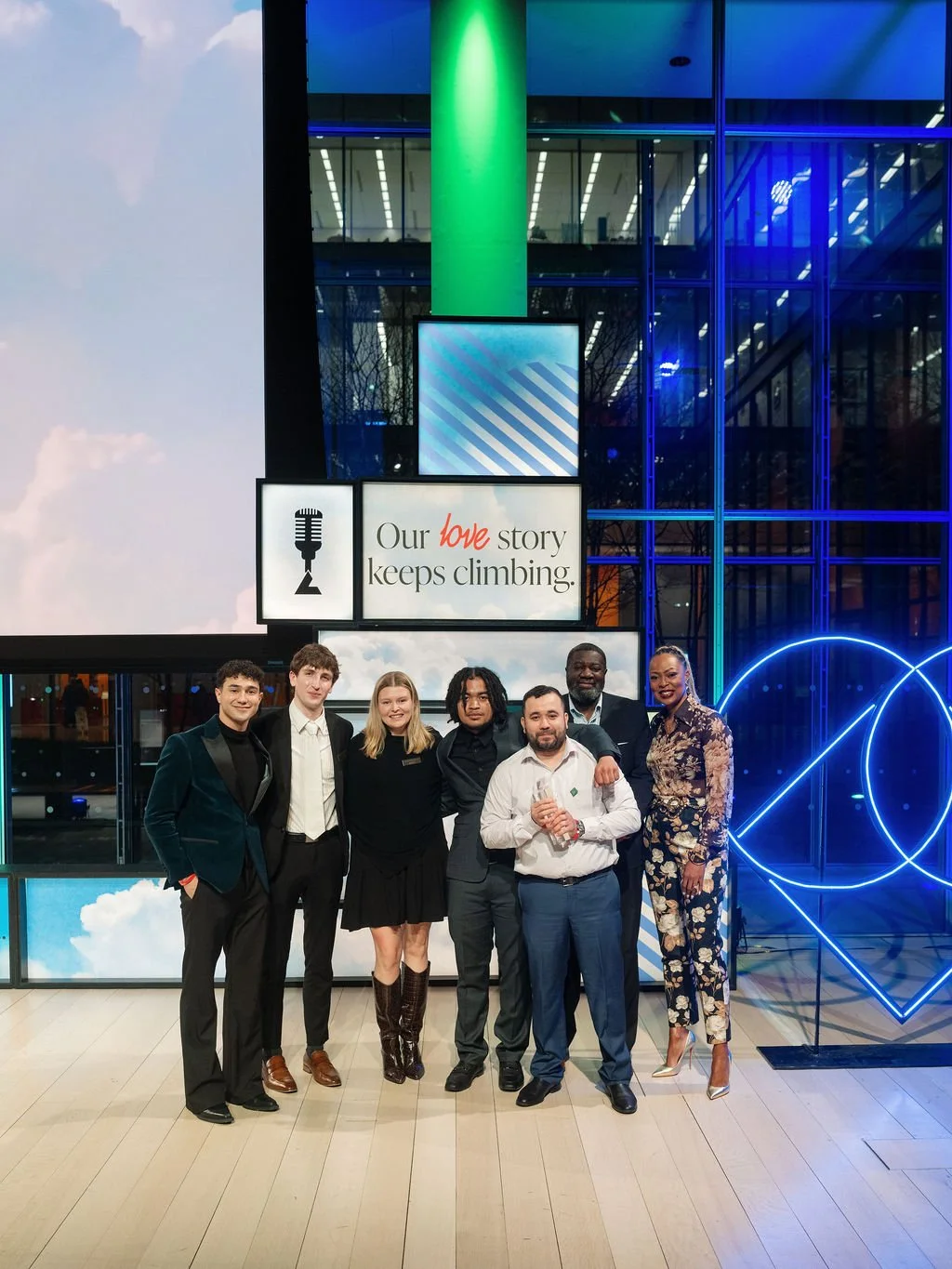
This includes:
Brand and Design
Visual elements, messaging, and experience design should feel cohesive in every city.
Run of Show
The structure of the event — timing, flow, key moments — should remain consistent, even if minor adjustments are required.
Guest Experience
From arrival to departure, the experience should feel familiar and intentional.
Consistency builds trust. It also builds recognition.
Budgeting and Operational Efficiency
Road shows require careful financial planning.
Costs can scale quickly if not managed strategically.
Key considerations include:
reusing materials across cities
negotiating multi-city vendor agreements
optimizing travel and freight routes
balancing local vs. traveling resources
Efficiency is not about cutting corners.
It’s about making smart decisions that protect both quality and budget.
Common Road Show Challenges (and How to Solve Them)
Even well-planned road shows encounter challenges.
Inconsistent Execution
Solution: Maintain a strong core team and standardized processes.
Logistics Delays
Solution: Build buffer time and redundancy into shipping plans.
Staffing Misalignment
Solution: Provide clear onboarding and communication for local teams.
Venue Variability
Solution: Conduct thorough advance work and adapt layouts strategically.
The goal isn’t to eliminate challenges. It’s to be prepared for them.
Final Thoughts: Scaling Experience Without Losing Quality
Road shows are one of the most powerful ways to engage audiences across markets.
But they require more than repetition.
They require:
systems
structure
and a team that can operate with precision under pressure
Because the real challenge isn’t producing one great event.
It’s producing the same great event again and again.
Keep Your Road Show Moving—Seamlessly
Road shows demand more than planning. They demand coordination, consistency, and control across every city.
At Stratus Firm, we specialize in multi-city event production—bringing clarity to complex logistics, aligning teams across markets, and delivering consistent, high-impact experiences at scale.
Whether you’re launching a product, engaging clients, or activating multiple markets, we help ensure every stop feels as strong as the first.
Let’s build a road show that delivers—every time.
-
A road show is a multi-city event series designed to deliver a consistent experience across different locations and audiences.
-
Start with a clear strategy, then align logistics, staffing, and scheduling to ensure consistency and efficiency across all locations.
-
Common challenges include logistics coordination, maintaining consistency, managing travel schedules, and aligning teams across cities.
-
Use a hybrid model with a core traveling team for consistency and local staff for support and regional expertise.
-
Standardize design, run of show, and operational processes while allowing for controlled local adaptation.