


The best conferences feel effortless. Sessions start on time. Rooms flow smoothly. Speakers appear exactly when they should. Attendees move through the experience without friction. None of that happens by accident.
Behind every seamless conference is a highly coordinated system of logistics planned, refined, and executed with precision. When conference logistics are done well, you don’t notice them.
What Are Conference Logistics?
Conference logistics are the operational systems that make an event function.
They ensure that:
- the right people are in the right place
- at the right time
- with the right resources
This includes everything from:
- venue setup and room layouts
- vendor coordination
- staffing and scheduling
- registration and guest flow
- technical production and AV
Logistics are the invisible infrastructure that supports the visible experience.
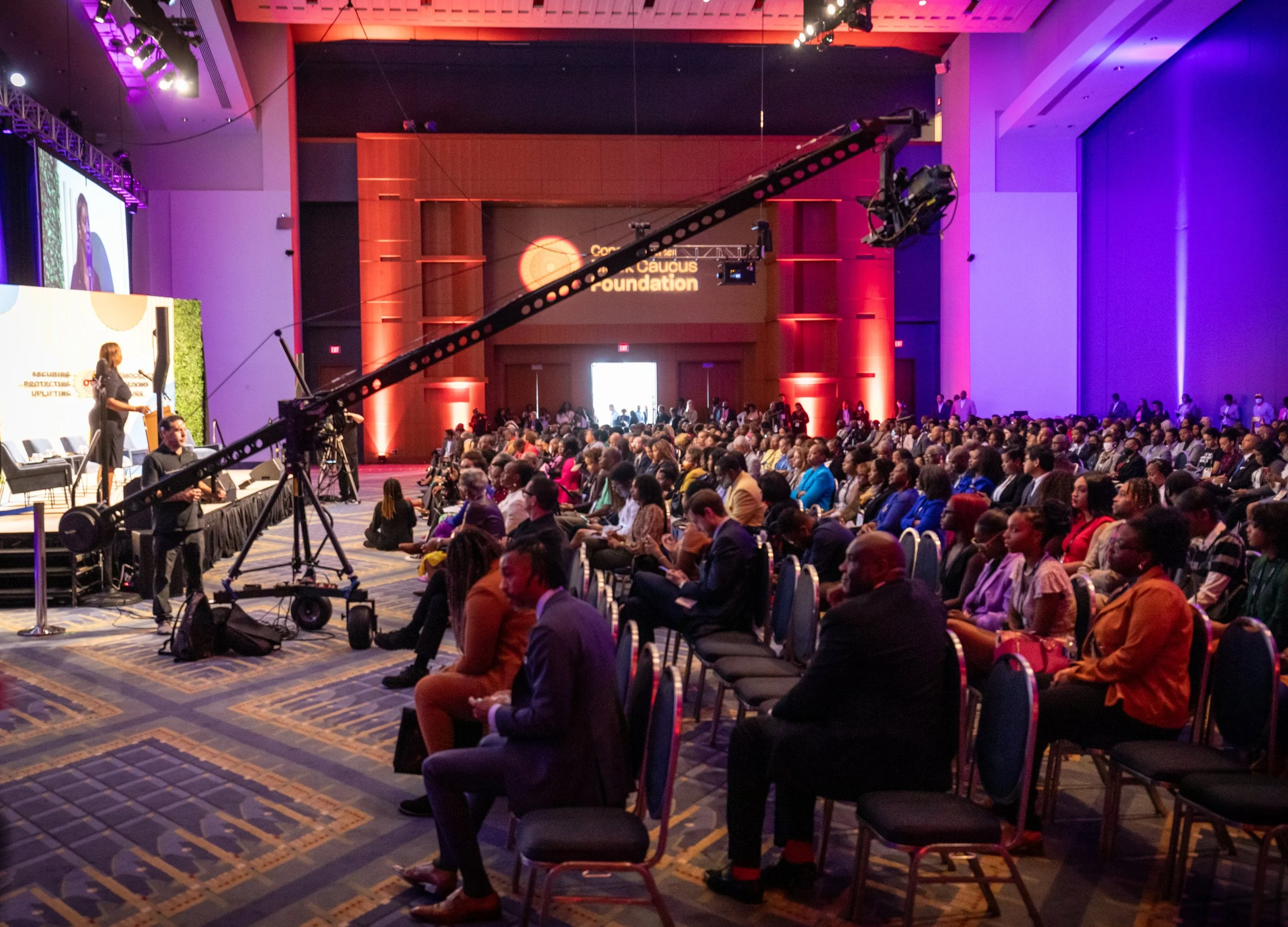
Why Logistics Are the Foundation of Successful Conferences
A conference can have compelling content and strong speakers, but without logistics, it falls apart. Remember that attendees don’t evaluate logistics directly; they experience them.
When logistics are strong:
- sessions start and end on time
- lines move efficiently
- transitions feel natural
- the environment feels controlled and intentional
When logistics fail, the impact is immediate. Delays, confusion, and congestion can undermine even the most well-designed program. Logistics don’t just support the event. They define how it feels.
Pre-Event Logistics Planning
The majority of conference logistics happens long before attendees arrive.
This phase includes:
Timeline Development
Mapping every phase of the event from load-in to final breakdown.
Vendor Alignment
Coordinating with all partners, including:
- audiovisual teams
- staging and production
- catering
- registration platforms
- security and staffing
Documentation
Detailed plans guide execution, including:
- production schedules
- run of show
- contact lists
- escalation protocols
Preparation is what allows execution to feel seamless.
Venue Coordination and Layout Planning
The venue is more than a backdrop; it’s a system that must be understood and optimized.
Logistics teams work closely with venue partners to manage:
- room layouts and seating configurations
- loading dock access and timing
- power and technical infrastructure
- union requirements and labor coordination
- guest flow between spaces
Every decision impacts how attendees move, gather, and experience the event. A well-designed layout reduces friction. A poorly designed one creates it.
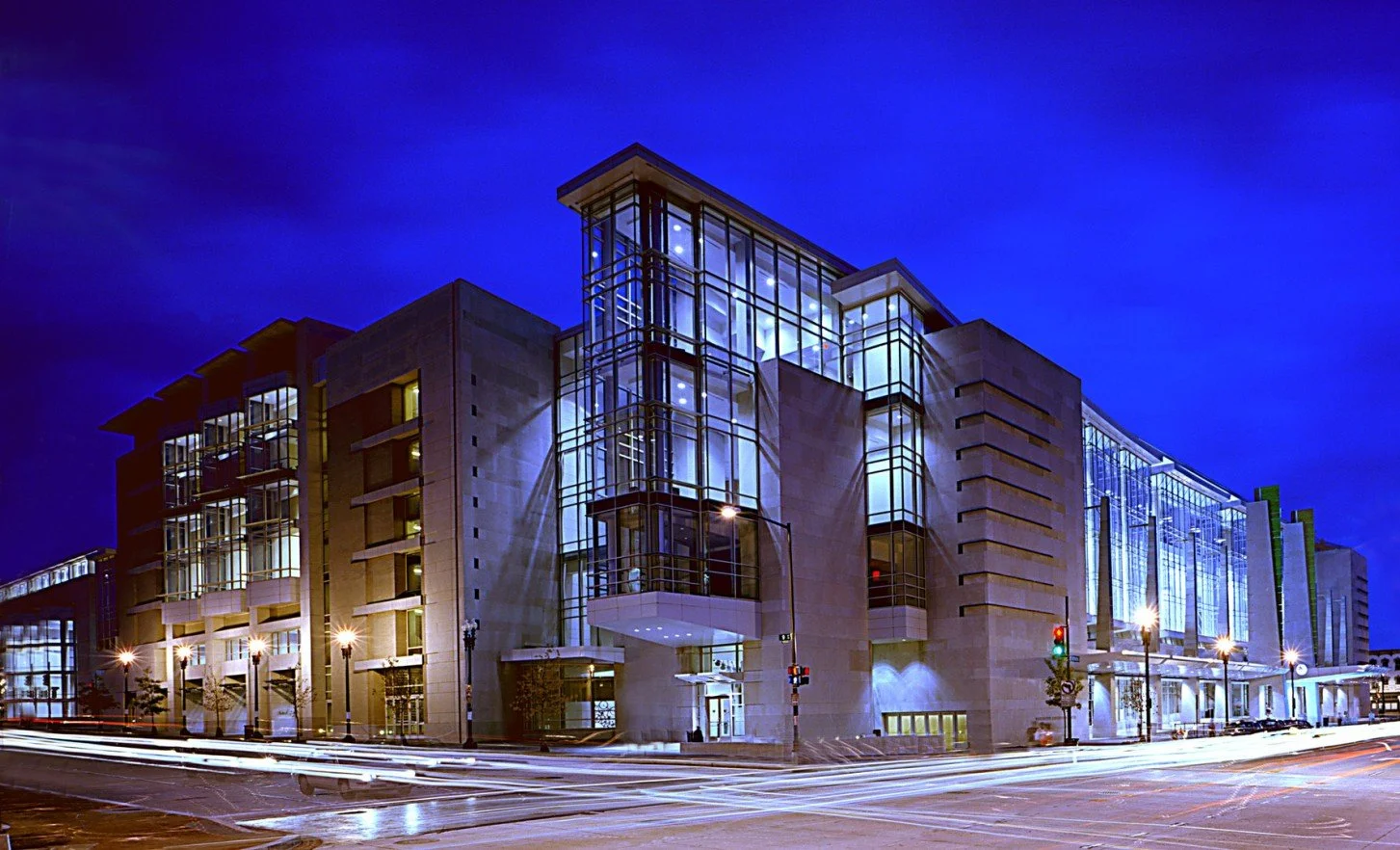
Vendor Management and Technical Production
Conferences rely on a network of vendors, each responsible for a piece of the experience. Logistics teams act as the connector.
Vendor Coordination
Ensuring all partners are aligned on:
- timelines
- deliverables
- dependencies
Technical Production
Managing:
- sound
- lighting
- video
- staging
These elements must work together seamlessly across multiple rooms and sessions. When done right, technology disappears into the experience. When done poorly, it becomes the experience, for the wrong reasons.
Scheduling and Run of Show
The run of show is the backbone of conference execution.
It outlines:
- session timing
- speaker transitions
- technical cues
- staffing movements
At scale, even small timing issues can create ripple effects across the entire event.
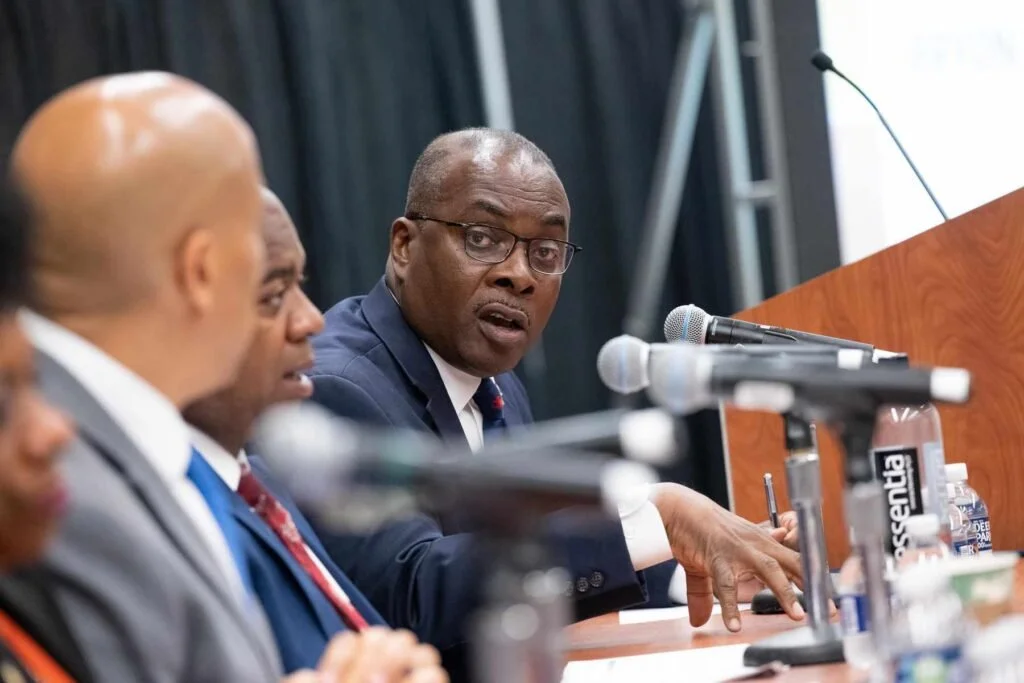
Precision Matters
A delayed session in one room can affect:
- attendee flow
- staffing availability
- subsequent programming
Flexibility Matters
Even with precise planning, adjustments are inevitable. The best teams balance structure with adaptability, keeping the event on track without creating stress or disruption.
Staffing and On-Site Operations
Staff are the face of logistics; they guide attendees, solve problems, and keep the event moving.
Clear Roles
Each team member should understand:
- their responsibilities
- reporting structure
- decision-making authority
Strategic Placement
Staff are positioned where they are needed most:
- registration areas
- session rooms
- high-traffic zones
- transition points
Calm Execution
Attendees take cues from staff. A composed, confident team creates a sense of control and ease.
Registration, Credentialing, and Guest Flow
Guest flow is one of the most visible expressions of logistics, and it starts the moment attendees arrive.
Registration
Efficient check-in systems reduce wait times and set a positive tone.
Credentialing
Badges, access levels, and permissions ensure that guests move through the event appropriately.
Wayfinding
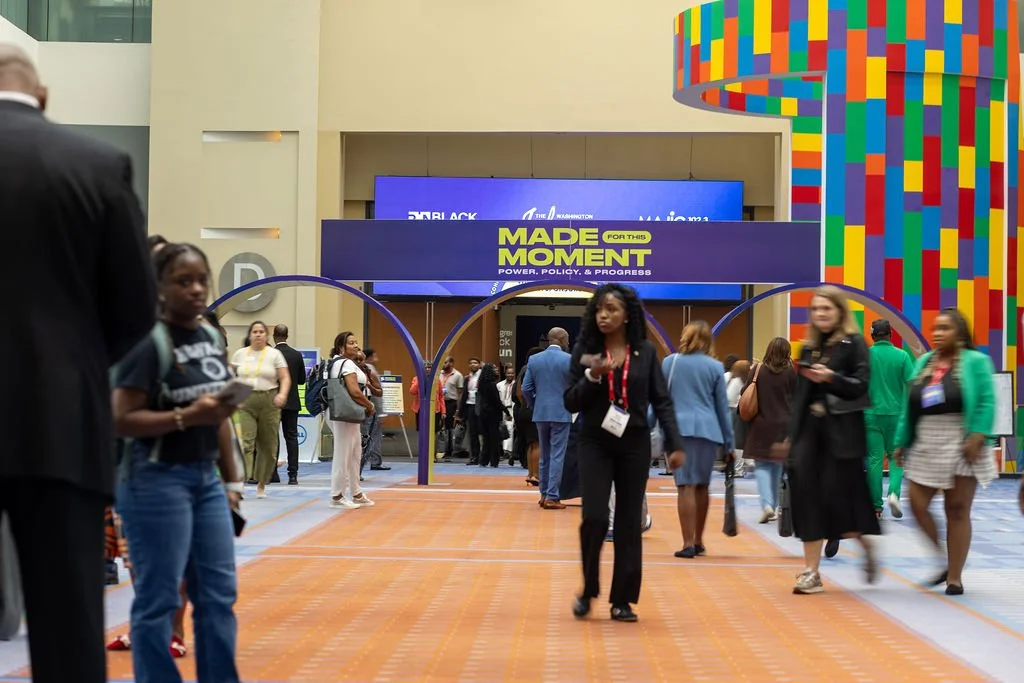
Clear signage and intuitive layouts help attendees navigate without confusion. When guest flow is well-managed, attendees focus on the content, not the process.
Real-Time Problem Solving and Contingency Planning
No conference unfolds exactly as planned, but what matters is how teams respond.
Anticipation
Experienced teams plan for:
- delays
- technical issues
- speaker changes
- crowd surges
Contingency Plans
Backup solutions are built into the process, including:
- alternative schedules
- redundant systems
- additional staffing
Decision-Making
Clear leadership and communication allow teams to respond quickly and confidently. The goal is not to eliminate challenges; it’s to ensure they are handled without disrupting the experience.
Final Thoughts: Why Great Logistics Go Unnoticed
The most successful conferences share a common trait: They feel easy.
But that ease is the result of:
- detailed planning
- precise coordination
- experienced execution
Conference logistics are not visible, but they are always present. They are the difference between an event that functions and one that performs.
Because when logistics are done right, attendees don’t notice what’s happening behind the scenes; they just remember how the event made them feel.
Make Complexity Feel Effortless
Behind every seamless conference is a team managing hundreds of moving parts with precision and control.
At Stratus Firm, we specialize in conference logistics and production, aligning vendors, managing timelines, and executing at scale so your event runs smoothly from start to finish.
Whether you’re planning a multi-day conference, a high-profile convening, or a complex program with multiple stakeholders, we bring clarity to complexity.