
Beyond Logos: Rethinking Event Sponsorship Ideas for Modern Audiences
For years, event sponsorship was simple. Logos on step-and-repeats. Names on signage. Mentions from the stage. And for a while, that was enough.
But today’s audiences expect more. They don’t just want to see brands, they want to experience them.
The most effective sponsorship strategies have evolved beyond visibility. They’re about engagement, integration, and value.
Because in modern events, the question isn’t: “Where does the logo go?” It’s: “What role does the sponsor play in the experience?”
Why Traditional Sponsorship Is Losing Impact
Traditional sponsorship models were built around exposure.
The goal was simple: maximize impressions.
But audiences have changed.
They tune out passive branding
They expect relevance and interaction
They value experiences over advertisements
A logo alone doesn’t create a connection. It doesn’t tell a story. It doesn’t give attendees a reason to engage.
And without engagement, sponsorship becomes background noise.
The Shift from Branding to Experience
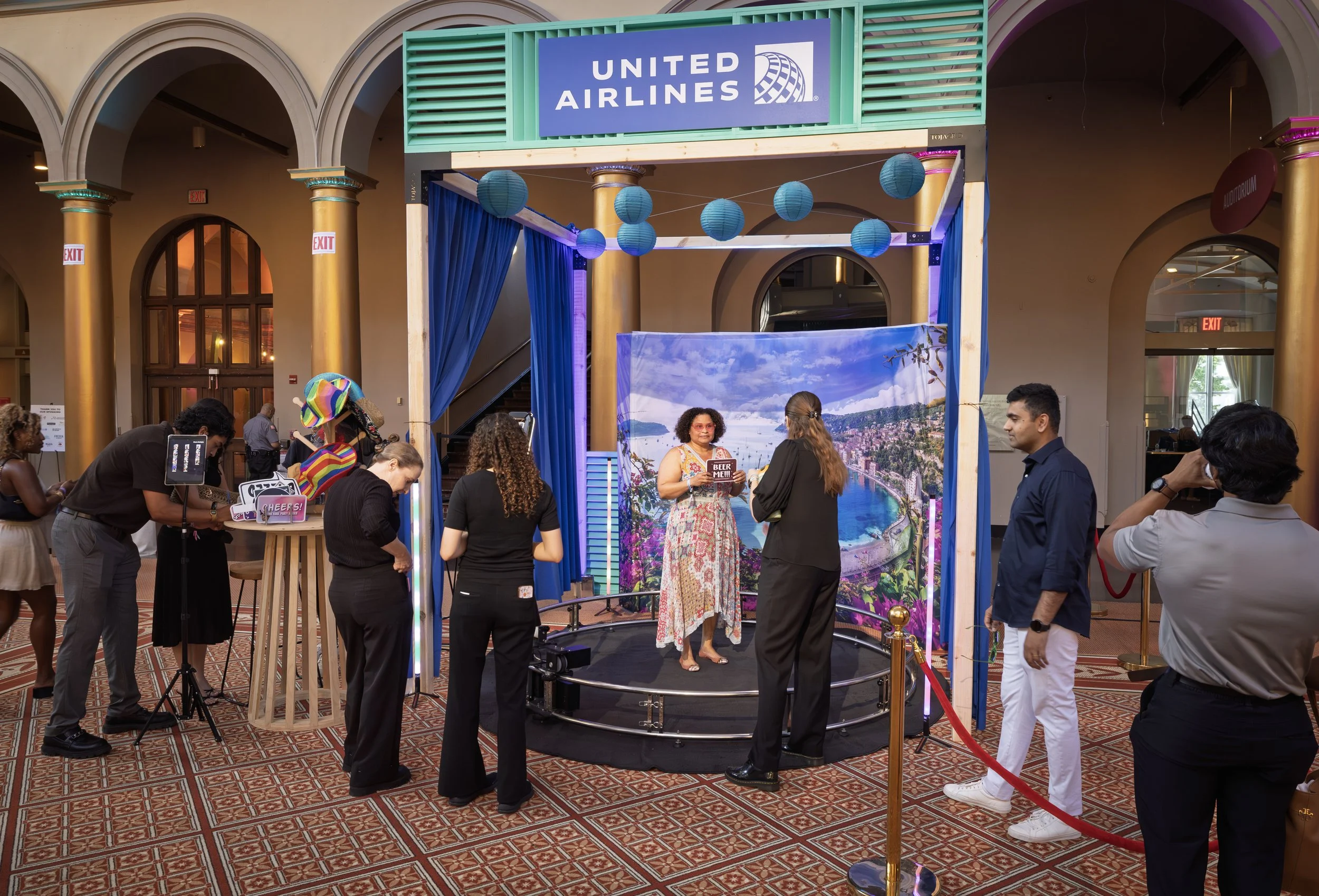
Modern sponsorship is no longer about being seen.
It’s about being felt.
The shift is from:
placement → participation
visibility → value
branding → experience
Sponsors are no longer separate from the event. They are part of how the event comes to life.
When done well, attendees don’t experience sponsorship as interruption; they experience it as enhancement.
What Modern Audiences Expect from Sponsors
Today’s attendees are more discerning.
They expect sponsors to:
contribute something meaningful
enhance the environment
offer interaction or utility
feel aligned with the event’s purpose
The best sponsorships answer a simple question: “How does this make the event better for the guest?”
If it doesn’t, it’s likely to be ignored.
Experiential Event Sponsorship Ideas That Work
The most effective sponsorship ideas don’t sit on the sidelines; they live within the experience.
1. Sponsored Experiences, Not Spaces
Instead of branding a lounge, create an environment:
a networking space designed for connection
a recharge area with thoughtful amenities
a curated hospitality moment
The sponsor becomes associated with how the space feels, not just how it looks.
2. Utility-Driven Activations
Give attendees something they actually need:
charging stations
hydration or refreshment stations
concierge-style services
When sponsors solve real problems, they become memorable.
3. Content Integration
Sponsors can shape the conversation:
curated panels or speakers
thought leadership sessions
moderated discussions
This positions the sponsor as a contributor, not just a participant.
4. Interactive Moments
Create opportunities for engagement:
live polls or audience participation
hands-on demonstrations
immersive installations
Interaction drives retention and stronger brand recall.
5. Personalized Touchpoints
Tailor the experience:
custom takeaways
personalized content
targeted interactions
The more relevant the experience, the more impactful it becomes.
Designing Sponsorships That Feel Native to the Event
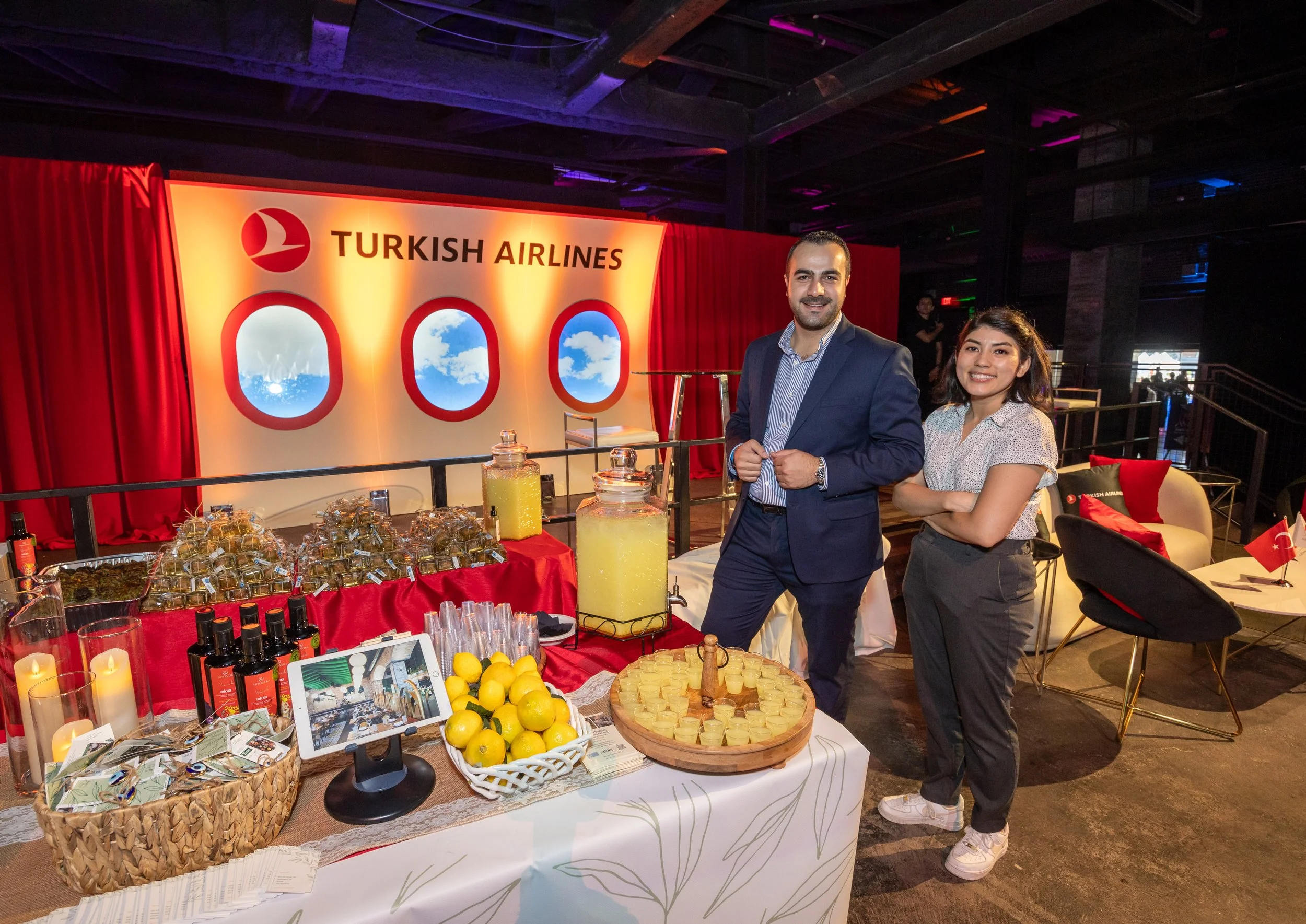
The most successful sponsorships don’t feel like sponsorships. They feel like part of the event.
This requires alignment between:
brand identity
event purpose
audience expectations
When these elements are aligned:
the activation feels natural
the brand feels authentic
the experience feels cohesive
When they’re not, the disconnect is obvious.
Integration, not visibility, is the goal.
Balancing Brand Visibility and Guest Experience

Visibility still matters. But it should never come at the expense of experience.
Over-branding can feel:
intrusive
inauthentic
overwhelming
The most effective approach is subtle:
strategic placement instead of saturation
thoughtful design instead of repetition
presence without distraction
When guests enjoy the experience, the brand benefits naturally.
Measuring Sponsorship ROI Beyond Impressions
If sponsorship has evolved, measurement must evolve with it.
Beyond impressions, consider:
engagement levels (interactions, participation)
dwell time within activations
qualitative feedback from attendees
social amplification and shareability
post-event relationship building
ROI is no longer just about how many people saw something.
It’s about how many people connected with it.
Common Sponsorship Mistakes to Avoid
Even well-intentioned sponsorships can miss the mark.
Over-Prioritizing Visibility
Too much branding, not enough experience.
Lack of Integration
Activations that feel disconnected from the event.
Ignoring the Audience
Designing for the brand, not the attendee.
One-Size-Fits-All Approaches
Using the same activation regardless of event type or audience.
Avoiding these mistakes requires a shift in mindset—from placement to purpose.
Final Thoughts: Turning Sponsors Into Experiences
The future of event sponsorship isn’t about logos. It’s about roles. Sponsors are no longer just supporting the event. They are shaping it.
When approached strategically, sponsorship becomes:
part of the narrative
part of the environment
part of the experience
And when that happens, everyone benefits:
attendees engage more deeply
brands are remembered more clearly
events feel more cohesive and impactful
Because the best sponsorships don’t ask for attention. They earn it.
Turn Sponsorship Into Experience
Modern audiences expect more, and the right sponsorship strategy delivers it.
At Stratus Firm, we design sponsorship experiences that go beyond visibility, integrating brands into the fabric of the event in ways that feel natural, engaging, and impactful.
Whether you’re planning a conference, gala, or brand activation, we help transform sponsorship into something people actually remember.
Let’s create sponsorships that work—for your audience and your partners.
Frequently Asked Questions
-
Creative sponsorship ideas focus on engagement and experience, such as interactive activations, branded environments, and utility-driven services.
-
By integrating sponsors into the event experience through interaction, relevance, and value rather than relying on passive branding.
-
Experiential sponsorship involves creating interactive, immersive brand moments that allow attendees to engage directly with a sponsor.
-
Measure engagement, participation, dwell time, social amplification, and post-event relationships, not just impressions.
-
Audiences are more selective and expect meaningful interactions, making passive logo placements less impactful.