
Creative Product Launch Ideas That Go Beyond the Press Release
In today’s saturated marketplace, a press release alone won’t get your product noticed. Every week, audiences are bombarded with announcements, digital ads, and new product stories — most of which vanish within a scroll.
To truly break through, product launches need to be experiences, not just announcements. The most successful brands—Apple, Tesla, Nike—understand that launch moments are about emotion, immersion, and storytelling. Whether through live events, digital activations, or creative collaborations, these brands turn their launches into cultural moments that live far beyond the press wire.
Here’s how you can elevate your next launch with ideas that go well beyond the press release.
Why Traditional Launches Fall Flat
A press release can announce what a product is. But it can’t make audiences feel something about it.
Modern audiences—especially digital-first consumers—crave more than facts. They want to see, touch, and share the story behind the product. When brands rely only on traditional tactics, they miss opportunities to spark emotion and engagement.
The Pitfalls of Traditional Launches
Overcrowded inboxes: Journalists receive hundreds of releases daily; most go unread.
Lack of differentiation: Plain copy can’t communicate what makes your product stand out.
No emotional connection: Static announcements can’t deliver a sense of discovery or excitement.
Missed storytelling opportunity: Products are more than features—they’re experiences waiting to be told.
In contrast, creative launches build narrative and anticipation, transforming a corporate announcement into a shared moment that resonates.
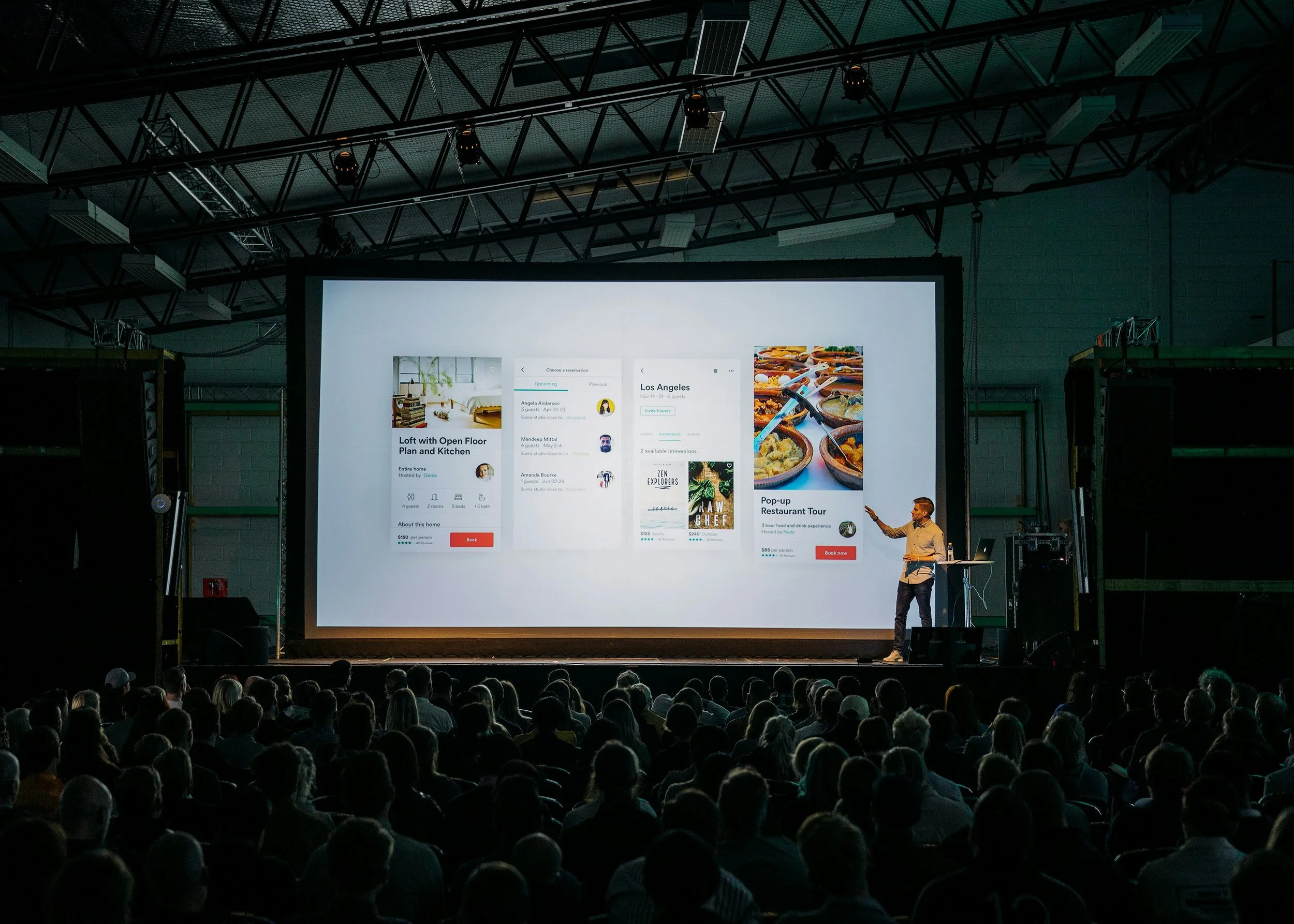
Idea 1: Immersive Launch Events That Tell a Story
The best launches don’t just introduce a product—they invite audiences into its world.
Make the Product the Hero of a Story
Instead of listing specs, design an event that tells the product’s story through space, sound, and interaction. Use theatrical reveals, dynamic lighting, music, and live narration to bring the idea to life.
Imagine walking into a room where every design detail reflects the product’s personality—whether futuristic, playful, or sophisticated. Guests don’t just learn about the product—they experience its essence.
Tactics for Immersive Launches
Themed environments: Design scenic elements that mirror the product’s design language or purpose.
Live storytelling: Use choreographed sequences, projection mapping, or live narration to reveal features progressively.
Sensory design: Incorporate soundscapes, textures, and lighting that evoke emotion.
Interactive installations: Let attendees explore components or stories at their own pace.
Example: When Nike unveiled its self-lacing Adapt shoes, the event felt like stepping into the future—minimalist spaces, kinetic visuals, and a narrative that made technology feel human.
At Stratus, we design launch experiences that double as brand theaters—where every second of the reveal feels cinematic and intentional.
Idea 2: Interactive Demos and Hands-On Experiences
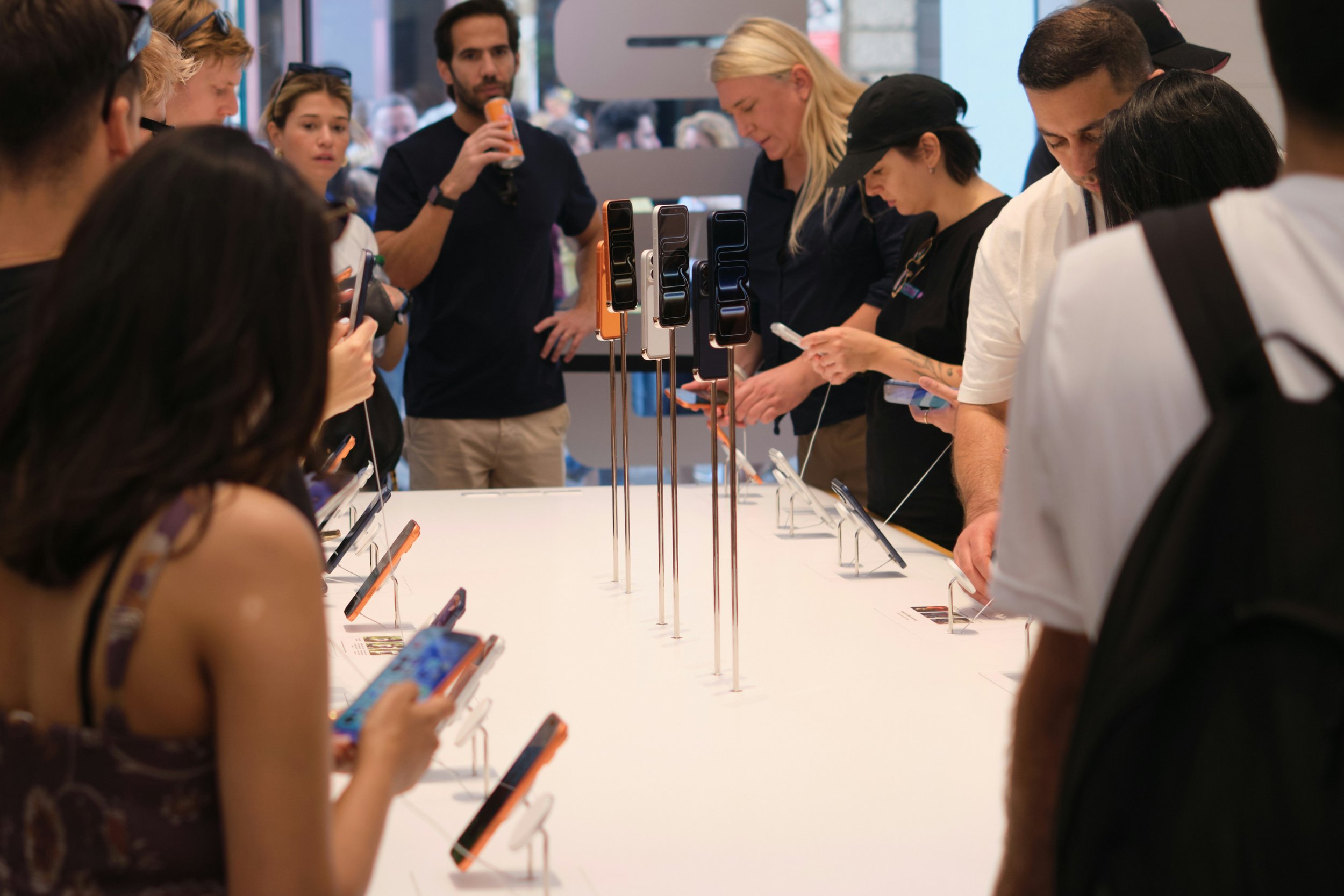
One of the most powerful ways to connect people to a new product is to let them use it.
Product demos shouldn’t be afterthoughts—they should be the heartbeat of your launch. Whether it’s a physical installation, a pop-up experience, or a live workshop, tactile engagement helps audiences form emotional bonds with what you’re offering.
Transform Demo Into Discovery
Create “test-drive” zones where users can interact with features.
Develop guided experiences led by experts or ambassadors.
Integrate gamification, allowing participants to unlock features or rewards as they explore.
Use AR/VR experiences to simulate the product’s functionality in immersive ways.
Example: A tech company introducing new AR glasses could host an installation where guests navigate a digital art gallery through the lenses—turning product testing into a creative adventure.
These kinds of activations make guests the protagonists of your story—and their excitement naturally fuels word-of-mouth marketing.
Idea 3: Influencer and Community Collaborations
The most trusted voices aren’t always in your PR department—they’re the people your audience already follows and respects.
Partnering with influencers and communities adds authenticity and amplifies reach far beyond your owned channels. The key is collaboration, not sponsorship. Let these partners interpret your brand in ways that feel genuine to their audience.
How to Activate Influencers Creatively
Pre-launch seeding: Send personalized packages or prototypes to selected creators.
Exclusive previews: Host small, private reveal events for influencers or industry insiders before the public launch.
Co-created content: Invite them to tell their own version of the story—reviews, behind-the-scenes looks, or creative reinterpretations.
Community-first activations: Tap into online fan bases, developer networks, or niche subcultures relevant to your product.
Example: When GoPro launches new cameras, it doesn’t rely on a press conference—it releases early units to athletes, creators, and explorers who showcase its capabilities in real-world action.
At Stratus, we help clients curate influencer ecosystems that feel organic and mission-driven, rather than transactional—ensuring credibility meets creativity.
Idea 4: Digital & Hybrid Launch Campaigns
In a connected world, the most impactful launches blend physical and digital experiences. Hybrid strategies let you create excitement both in the room and online—expanding reach exponentially.
Digital-First Tactics for Maximum Engagement
Livestreamed reveals: Create high-production broadcasts with cinematic storytelling.
Augmented reality (AR) moments: Let global audiences explore your product virtually through AR filters or web-based demos.
Global countdowns: Use synchronized digital campaigns that build anticipation across time zones.
Virtual event hubs: Pair live events with virtual participation portals featuring exclusive content, interactive chats, and downloadable media kits.
Hybrid’s Secret Advantage
Hybrid formats don’t just extend access—they extend impact. Your event lives on as content, social conversation, and on-demand experiences long after the physical reveal ends.
Example: Apple’s digital product keynotes set the gold standard—filmed with cinematic quality, streamed globally, and instantly shareable. Each segment feels intentional, storytelling-driven, and on-brand.
Hybrid launches also align with sustainability goals, reducing travel while maintaining audience participation worldwide.
Idea 5: Creative PR Stunts That Capture Attention
When done right, a bold, unexpected stunt can turn a launch into a viral sensation.
Creative PR activations break through the noise by transforming everyday spaces into stages. Whether it’s a massive projection on a landmark, a surprise performance, or a guerrilla installation, these moments invite media coverage and organic buzz.
Elements of a Great PR Stunt
Simplicity: The idea should be easy to understand instantly.
Visual power: Design for the camera; every angle should be shareable.
Cultural timing: Tap into current events or pop culture moments.
Brand alignment: The stunt must reinforce your message—not distract from it.
Examples:
Tesla revealing its Cybertruck with an unexpected glass demo gone viral—turning imperfection into attention.
Spotify’s data-driven billboards that celebrated listeners’ quirks worldwide.
A beverage brand unveiling its logo on drone lights over city skylines.
These activations generate earned media, influencer content, and user engagement far beyond paid advertising—creating cultural currency for your product.

Idea 6: Content That Extends the Launch Beyond Day One
A launch isn’t a moment—it’s a movement.
The key to long-term success is to extend your campaign beyond the event day through compelling storytelling. Content should evolve as your audience’s curiosity grows—from intrigue to inspiration to loyalty.
Post-Launch Storytelling Framework
Behind-the-scenes videos: Showcase the craftsmanship, team, and story behind the product.
Customer testimonials: Turn early adopters into ambassadors through authentic feedback.
Recap reels: Create cinematic highlight videos from the launch to share across channels.
Social campaigns: Develop hashtags, challenges, or community-driven content prompts to sustain momentum.
Follow-up experiences: Virtual workshops, pop-ups, or limited-time offers to keep engagement alive.
By nurturing the conversation beyond the launch, you create a continuous narrative loop that keeps your audience invested.
At Stratus, we build launch ecosystems that evolve over weeks and months—ensuring that the excitement, visuals, and storytelling remain fresh long after the spotlight fades.
Case Studies: Memorable Launches That Broke the Mold
Apple: Anticipation as a Strategy
Apple has mastered the art of suspense. From minimalist invitations (“It’s almost here.”) to perfectly choreographed keynotes, every element of the brand’s product reveals is meticulously designed to control the narrative.
Lesson: Consistency, clarity, and design control are key. Every frame, word, and transition tells part of the brand’s story.
Tesla: Turning Events into Movements
Tesla’s vehicle reveals function like cultural milestones—streamed live, shared widely, and fueled by controversy and charisma. Even missteps (like the Cybertruck window demo) become moments of viral fame that reinforce authenticity.
Lesson: Emotion beats perfection. Boldness can transform risk into recognition.
Stratus Firm: Experiential Launches that Inspire
Stratus Firm’s product and brand launch events have elevated clients across industries—from corporate innovations to nonprofit campaigns. Each activation merges creative design, audience insight, and flawless execution, turning launches into unforgettable experiences.
Whether it’s a technology rollout blended with immersive digital art, or a mission-driven launch that engages communities through storytelling and sound, Stratus ensures that every launch reflects innovation and purpose.
Lesson: The most memorable launches are those that don’t just inform—they immerse.
Designing Product Launches with Impact
Press releases have their place—but they’re only the starting point. Today’s audiences expect creativity, interactivity, and authenticity.
To make your product stand out, think of the launch not as a one-day announcement, but as a multi-stage journey: from pre-launch anticipation to post-event storytelling.
Key Takeaways
Tell a story, don’t just make a statement.
Engage the senses through immersive design.
Empower your audience with interactivity and participation.
Think hybrid and global. Extend your reach beyond the venue.
Create legacy content that keeps your product relevant.
At Stratus Firm, we design and produce launches that are as innovative as the products themselves—combining strategic thinking, experiential storytelling, and seamless execution.
If you’re ready to go beyond the press release and create a product launch that captures imagination, emotion, and market share—we’re ready to make it happen.
Frequently Asked Questions
-
A press release can share information, but it rarely creates emotional connection or lasting impact. In today’s crowded media landscape, audiences are overwhelmed with announcements that blur together. Experiential, interactive, and story-driven launches help products stand out by making people feel something—turning awareness into excitement, sharing, and advocacy.
-
An experiential launch invites audiences to actively engage with the product rather than passively read about it. This can include immersive environments, hands-on demos, interactive installations, live storytelling, or digital activations. The product becomes the centerpiece of an experience that reflects its purpose, personality, and value—not just its features.
-
The most effective influencer activations are collaborative, not transactional. Instead of scripted endorsements, brands should offer creators early access, behind-the-scenes context, or creative freedom to interpret the product in their own voice. When influencers genuinely experience and believe in the product, their content feels natural and trusted by their audiences.
-
Yes — when designed intentionally. Hybrid and digital launches can dramatically expand reach, accessibility, and longevity. Livestreamed reveals, AR experiences, virtual demos, and on-demand content allow global audiences to participate while preserving the emotional storytelling of a live event. In many cases, hybrid launches outperform traditional events in total engagement and earned media.
-
Stratus Firm designs product launches as immersive ecosystems—not one-off moments. We combine creative storytelling, experiential design, digital strategy, and flawless production to turn launches into cultural moments. From live brand theaters and interactive demos to hybrid broadcasts and post-launch content, our approach ensures launches generate buzz, build connection, and sustain momentum long after day one.