


Hosting an event across borders is an extraordinary opportunity—to build global relationships, amplify your brand, and celebrate shared purpose on an international stage. But global events are also some of the most complex productions in the world. Each country brings its own logistical systems, cultural nuances, and diplomatic protocols, all of which must work in harmony to deliver a seamless guest experience.
At Stratus Firm, we’ve seen how the smallest detail—an overlooked custom, a delayed shipment, or a misunderstood gesture—can make or break an international event. From WorldPride 2025 collaborations and the Halifax Security Forum, our global production experience has shown that successful international events depend on two key pillars:
- Cultural intelligence—the ability to understand and respect local traditions and expectations.
- Operational precision—the logistical expertise to execute flawlessly across borders.
This guide explores how to navigate the cultural and logistical challenges of global event planning, ensuring your next international convening is not just successful—but exceptional.
Why International Events Require Extra Care
Planning an international event means operating in an environment where norms, laws, and expectations differ from your own. What works perfectly for a U.S. gala or European conference may fall flat—or even offend—in another part of the world.
The Stakes Are Higher
International audiences often include diplomats, government officials, business executives, and high-profile media. A single misstep—such as an incorrect title on a place card or a misinterpreted gesture—can create tension or draw unwanted attention.
The Balancing Act
Planners must strike the delicate balance between:
- Brand consistency: Ensuring your organization’s visual identity and messaging remain clear.
- Cultural adaptation: Respecting the traditions and expectations of the host country.
Global Events Are a Reflection of Leadership
Every aspect of an international event—how guests are welcomed, how the stage is set, even how meals are served—communicates something about your organization’s values, professionalism, and global awareness. Getting it right builds trust and credibility.
Understanding Cultural Protocols Across Borders
Cultural protocols are the unspoken rules that shape how people interact, celebrate, and show respect. They vary widely across regions and must be carefully considered at every planning stage.
1. Greetings and Introductions
A simple handshake may be appropriate in one country but considered too informal or even inappropriate in another.
- Asia: Bowing or hand-over-heart gestures may replace handshakes.
- Middle East: Greetings may be gender-specific; avoid physical contact unless initiated.
- Europe: Titles and honorifics (“Minister,” “Ambassador,” “Dr.”) hold importance—always confirm preferred forms of address.
2. Attire and Symbolism
Colors, clothing, and symbols can carry deep cultural significance.
- In some cultures, white symbolizes purity; in others, it’s associated with mourning.
- A black-tie dress code may feel overly formal in one region and perfectly appropriate in another.
- Consider cultural or religious modesty guidelines when designing uniforms or guest attire expectations.
3. Dining and Hospitality Traditions
Meals are often the centerpiece of diplomacy. Understanding dining etiquette ensures guests feel respected.
- Some cultures prioritize communal sharing, while others value individual portions.
- Alcohol may be restricted or prohibited.
- Seating arrangements often follow strict hierarchies of precedence—plan these with local advisors.
4. Order of Precedence
When dignitaries or government officials attend, protocol dictates the sequence of introductions, speaking order, and seating charts.
- Consult with embassies or protocol officers for accurate guidance.
- Always prepare bilingual or multilingual printed programs to prevent confusion.
5. Cultural Intelligence in Practice
Researching customs isn’t enough—you must integrate them thoughtfully.
- Offer multilingual signage and interpreters.
- Acknowledge national holidays or traditions in your program design.
- Use décor, music, and storytelling that reflect both local culture and your event’s identity.
Respectful inclusion of cultural protocols doesn’t dilute your event—it elevates it. It signals that your organization values every attendee, no matter where they come from.
Key Logistical Challenges in Global Event Planning
If cultural sensitivity builds connection, logistics make that connection possible. International logistics involve layers of coordination—each with its own regulations, timeframes, and risks.
1. Travel and Visas
Smooth travel is critical for international attendees, staff, and talent.
- Research visa requirements early; some can take months to process.
- Provide invitation letters and embassy contact information.
- Arrange airport meet-and-greet services and expedited customs for VIPs.
2. Customs and Shipping
Shipping production gear, scenic elements, and branded materials across borders can be fraught with delays.
- Factor in customs duties, tariffs, and temporary import/export regulations.
- Label everything clearly and keep detailed manifests.
- Work with a specialized event freight forwarder familiar with international expos and conferences.
3. Time Zones and Scheduling
With international teams and audiences, time management becomes strategic.
- Use scheduling platforms that display local and converted time zones.
- Build in buffer days for jet lag, equipment setup, or potential delays.
- For hybrid events, record content and use replays to include global audiences in different time zones.
4. Security and Safety
International events—especially those involving dignitaries—require coordination across multiple agencies.
- Develop a multi-layered security plan involving private, local, and national entities.
- Conduct advance site walkthroughs to identify vulnerabilities.
- Prepare contingency plans for emergencies, transportation reroutes, or protest management.
In the international arena, contingency plans are not optional—they’re essential.
Balancing Protocol and Guest Experience
Cultural awareness and logistical precision must converge in the guest journey. A truly successful event integrates protocol seamlessly into hospitality, so that guests feel both respected and at ease.
Designing Inclusive Experiences
- Menus: Incorporate vegetarian, halal, kosher, and allergy-friendly options.
- Signage: Use bilingual or multilingual displays for wayfinding and information.
- Program flow: Account for prayer times or cultural breaks in the agenda.
The Subtle Power of Protocol
Protocol is not about rigidity—it’s about intentionality.
- A carefully arranged seating chart communicates respect.
- Recognizing national anthems or flags demonstrates diplomacy.
- Adapting the event’s tone for local sensibilities shows cultural fluency.
Avoiding the “Checklist Mentality”
Protocol and hospitality are most effective when they feel natural. Guests should never sense that formality or security is inconveniencing them. When well-executed, the event feels effortless—even though months of behind-the-scenes work made it so.
At Stratus Firm, we describe this as “seamless precision”—where operational discipline supports, rather than overshadows, the guest experience.
Building Local Partnerships for Success
No matter how experienced your global planning team is, local expertise is irreplaceable.
1. The Role of Local Partners
- Destination Management Companies (DMCs) provide invaluable local connections and insights.
- Cultural advisors help align programming with local etiquette and symbolism.
- Local vendors can reduce costs, mitigate import complications, and ensure regional compliance.
2. Collaborating with Authorities
International events often intersect with government oversight—particularly when public spaces, security, or VIPs are involved.
- Coordinate with embassies, ministries, or local municipalities early in the process.
- Engage with tourism boards or chambers of commerce for added support and promotional reach.
3. Authenticity Through Partnership
Working with local talent—performers, designers, or caterers—brings authenticity to your event while strengthening relationships within the host community.
Local collaboration transforms an event from something held in a country to something rooted in it.
Case Studies: Lessons from Global Events
1. WorldPride 2025 Collaboration
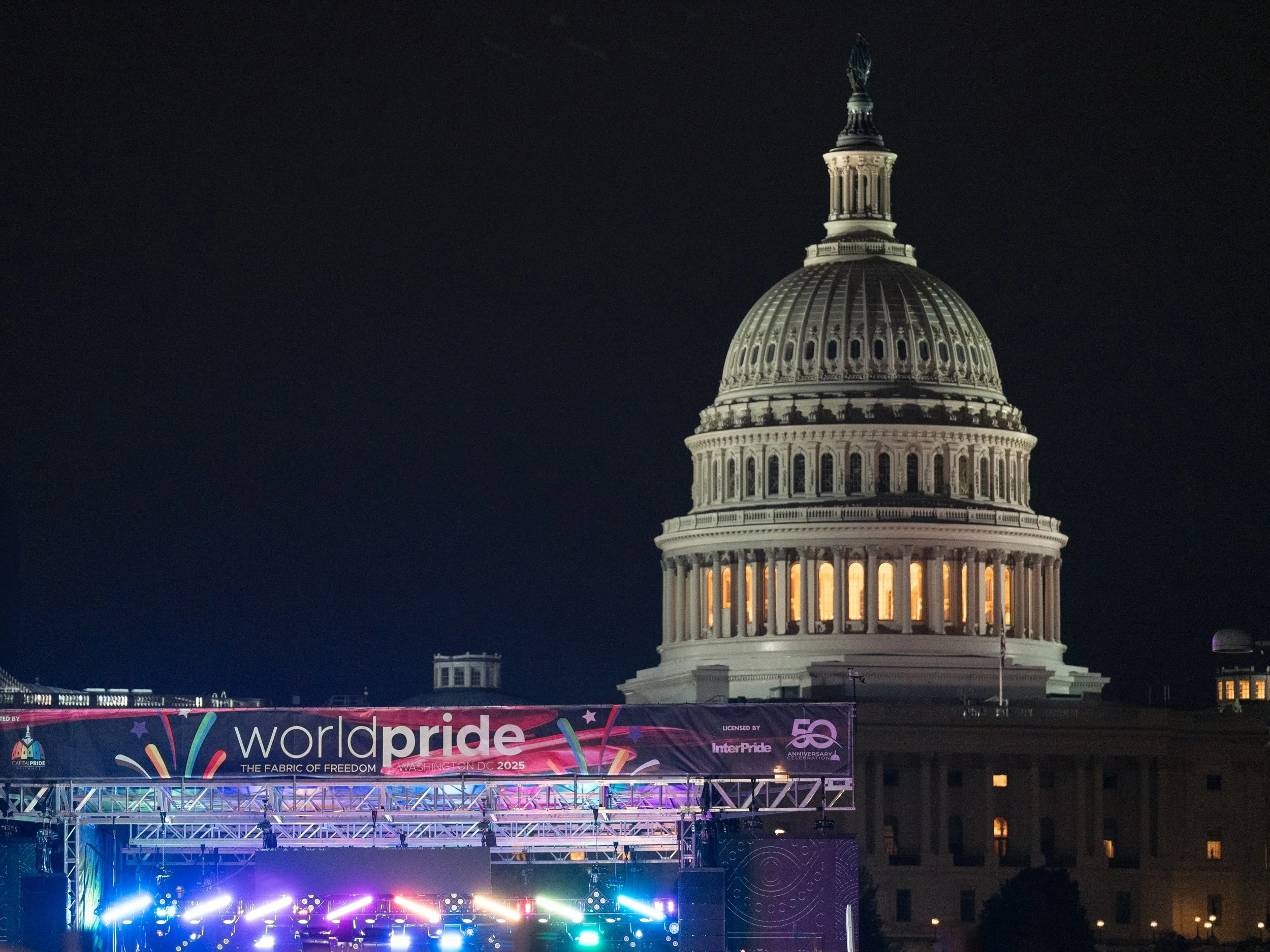
WorldPride 2025 represents the intersection of global celebration and cultural diplomacy. Stratus Firm contributed to partnerships bridging embassies, advocacy groups, and local municipalities.
- Challenge: Aligning global inclusivity with diverse cultural expectations.
- Solution: A dual-track approach—global messaging supported by region-specific programming and advisory boards.
- Result: An event framework that celebrates both international unity and local pride.
2. Halifax Security Forum
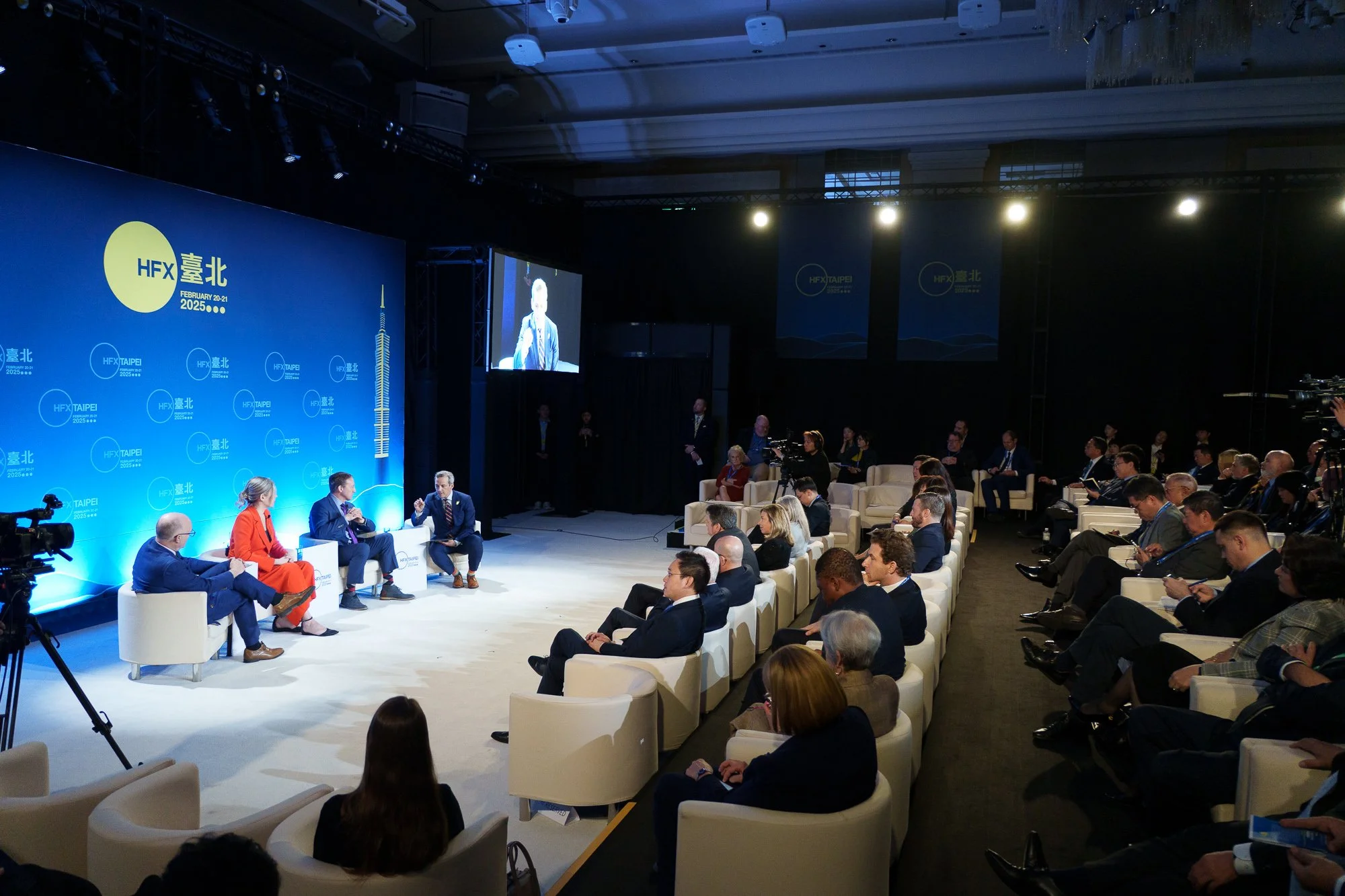
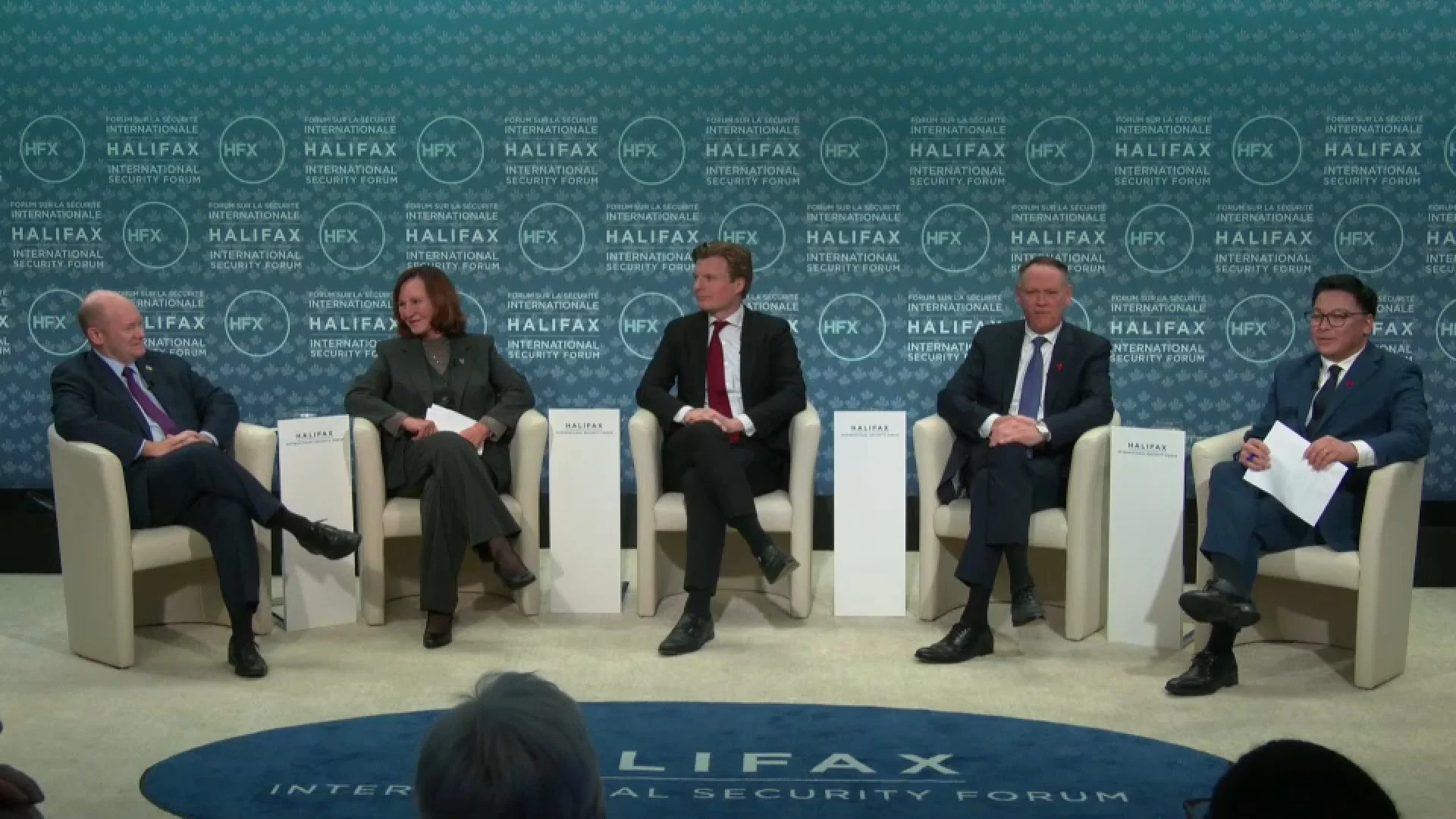
This international convening brings together defense leaders, ministers, and diplomats from across continents.
- Challenge: Balancing tight security protocols with open dialogue.
- Solution: Stratus coordinated VIP pathways, multilingual communications, and simultaneous translation for seamless interaction.
- Result: A secure yet welcoming environment praised for professionalism and operational excellence.
Each of these events underscores the same lesson: international success depends on the ability to bridge precision and empathy—understanding both the mechanics and the meaning behind every interaction.
Turning Challenges into Seamless Experiences
The art of international event planning lies in anticipation. Anticipating cultural nuance. Anticipating logistical hurdles. Anticipating how small details shape perception on the world stage.
The Stratus Formula for Global Excellence
- Research deeply: Learn the culture, laws, and logistics of your host country.
- Build locally: Partner with on-the-ground experts who know the terrain.
- Communicate clearly: Across languages, time zones, and teams.
- Respect deeply: Protocol isn’t red tape—it’s a language of respect.
- Execute flawlessly: Logistics are invisible only when done perfectly.
Global events test every aspect of an organization’s professionalism and empathy. But when managed with both cultural sensitivity and operational mastery, they don’t just run smoothly—they leave a lasting global impression.
At Stratus Firm, we help organizations navigate the intricacies of cross-border event planning with expertise, diplomacy, and creative vision—transforming international challenges into extraordinary experiences.