
The Future of Tech Events: Hybrid Models, AI Tools, and Beyond

Technology events have always been the laboratories of innovation for the global events industry. Long before hybrid became mainstream, tech conferences were streaming live keynotes. Before AI became a buzzword, tech summits were already using algorithms to match attendees or personalize schedules.
Now, as technology evolves faster than ever, the future of tech events is being defined by the very innovations they showcase — hybrid models, AI-powered personalization, immersive storytelling, and data-driven engagement strategies that redefine what it means to connect.
At Stratus Firm, we see this evolution firsthand through our work producing high-impact convenings where thought leadership, production design, and technology converge. The future isn’t about digital replacing physical — it’s about building experiences that are smarter, more inclusive, and more dynamic than ever before.
Why Tech Events Are at the Forefront of Innovation
Tech events have a unique mandate: they don’t just discuss innovation — they must demonstrate it.
Whether it’s a developer conference, a cybersecurity summit, or a global product showcase, attendees arrive expecting seamless digital integration, cutting-edge production, and high-value connections. These events serve as both content platforms and live demonstrations of the tools shaping our world.
Why Tech Events Lead the Way
They attract early adopters. Audiences expect experimentation, and organizers are rewarded for trying bold new formats.
They are hybrid by nature. Tech audiences are global, digital-first, and demand access from anywhere.
They double as brand showcases. Every detail—from the registration system to the LED wall—is an opportunity to reinforce innovation and credibility.
In many ways, tech events set the standard for other industries. From livestream integration to AI-powered analytics, the trends we see quickly ripple through corporate, nonprofit, and government events worldwide.
Hybrid Models: Expanding Reach Without Losing Impact
If the pandemic accelerated the rise of hybrid events, the years that followed have refined them. Today, hybrid models are not a compromise—they’re a strategy.
The Power of Hybrid Design
A well-designed hybrid event delivers the energy of in-person connection while unlocking the accessibility of digital participation. Attendees can engage from anywhere, and organizers gain data, reach, and flexibility that physical-only formats can’t match.
Key Advantages
Expanded Reach: Remove geographic barriers and engage attendees worldwide.
Increased ROI for Sponsors: Broader exposure across digital channels extends sponsorship value.
Inclusivity & Accessibility: Offer closed captioning, translation, and asynchronous participation for diverse audiences.
Sustainability: Reduce travel-related emissions while maintaining impact
Challenges and Solutions
The biggest challenge in hybrid production is ensuring digital attendees don’t feel secondary. This requires thoughtful integration:
Parallel content tracks designed for digital audiences.
Real-time engagement tools (polls, Q&A, networking apps).
Dedicated moderators or “virtual hosts” to maintain energy online.
When done right, hybrid events transform one-time convenings into year-round communities, sustained through on-demand content and continued digital engagement.
AI in Event Planning and Personalization
Artificial Intelligence isn’t just a theme for tech conferences — it’s becoming the backbone of how they’re produced.
Smarter Planning, Seamless Execution
Event producers are increasingly using AI to automate and optimize every phase of production, from concept development to post-event analysis.
Examples of AI-Driven Tools in Use:
Predictive Analytics: Forecast attendance, engagement levels, and potential drop-offs.
Smart Scheduling: AI-based agenda builders suggest sessions based on user interests.
Matchmaking Algorithms: Connect attendees with similar goals, companies, or technologies.
Chatbots and Virtual Assistants: Handle FAQs, registration, and concierge support 24/7.
Automated Resource Optimization: AI analyzes budgets, staffing, and logistics to find efficiency.
Hyper-Personalized Guest Experiences
AI enables events to evolve from one-size-fits-all programming into custom-curated journeys. Attendees can receive personalized schedules, session recommendations, or exhibitor introductions based on behavioral data and stated preferences.
This shift creates not just convenience, but connection—attendees feel seen, understood, and valued.
Emerging Technologies Shaping Event Experiences
While AI powers efficiency, emerging technologies transform engagement.
Immersive Tech in Action
The future of tech events is increasingly multi-sensory and participatory. Whether through virtual environments, holographic presentations, or spatial sound, event design is evolving to meet the imagination of digital-native audiences.
Key Technologies Redefining the Experience
AR/VR (Augmented & Virtual Reality): Enables attendees to explore products, data, or environments in 3D—whether in person or remotely.
Holographic Speakers: Bring remote presenters to life on stage, fostering presence across continents.
Digital Twins: Virtual replicas of venues allow for pre-event visualization and live data tracking during production.
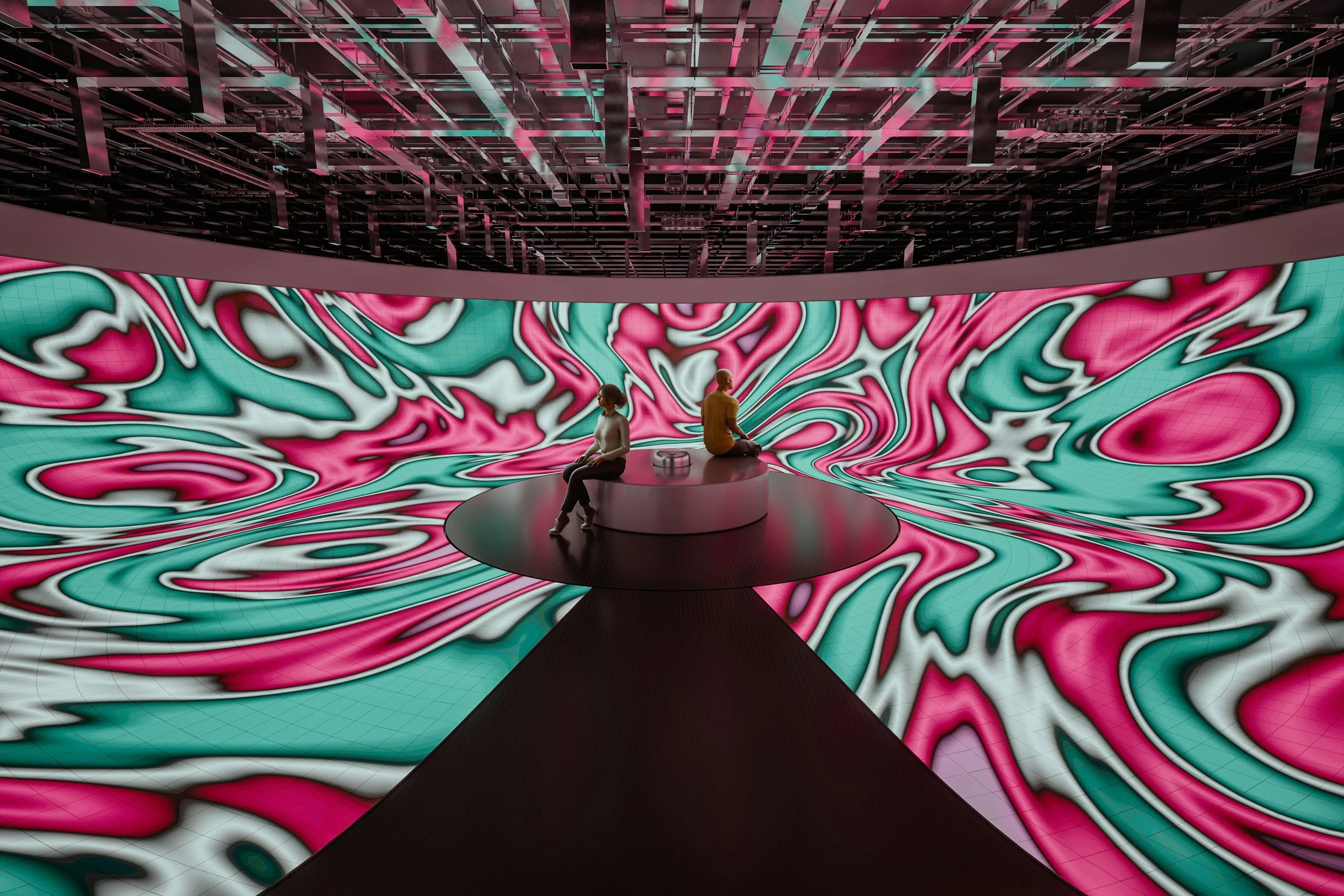
Projection Mapping: Transforms physical spaces into dynamic storytelling canvases.
Gamification Platforms: Reward participation and engagement, turning attendees into active contributors.
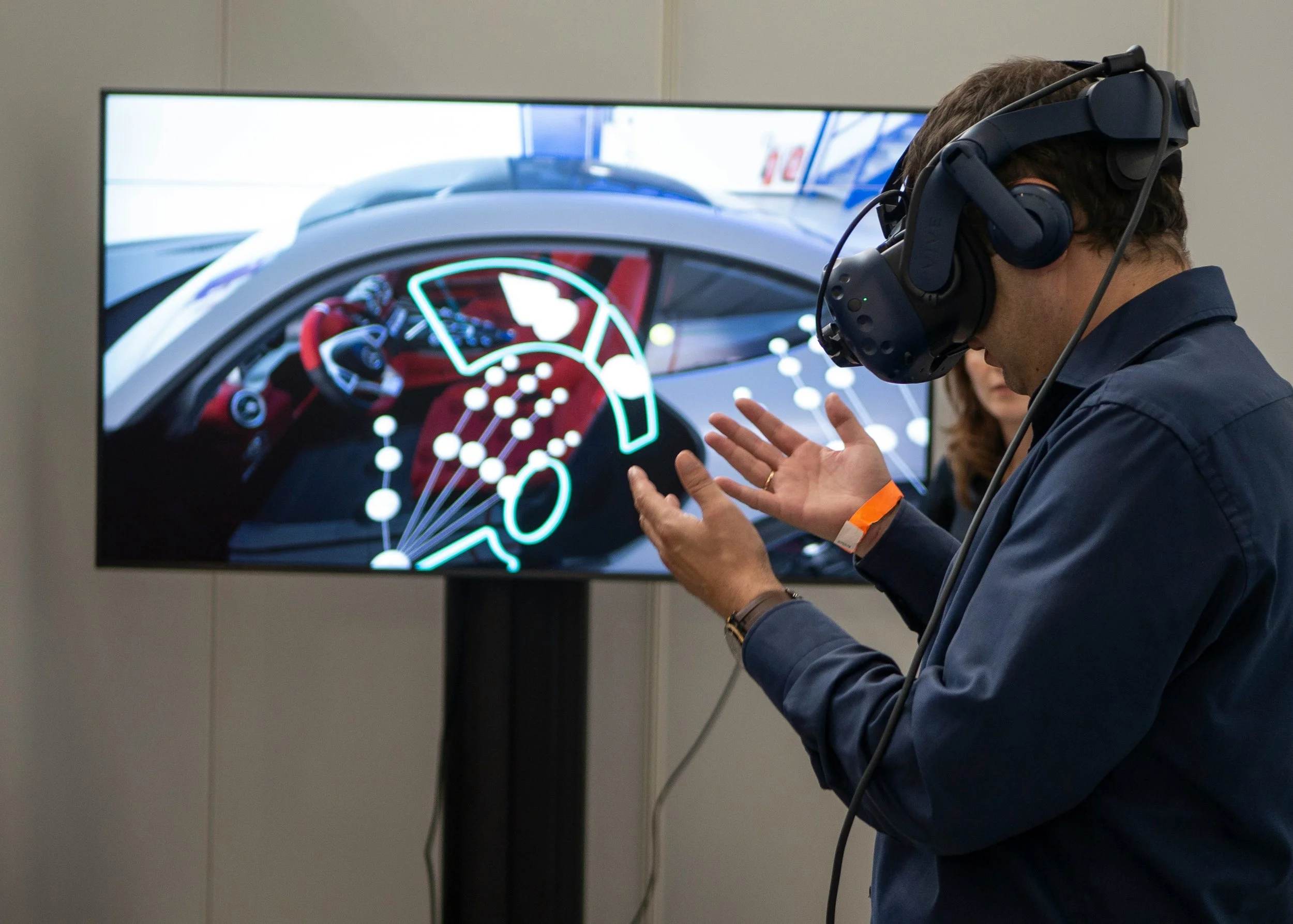
Blurring Physical and Digital Worlds
Imagine a keynote where in-person attendees view an interactive 360° backdrop while virtual participants explore that same environment in real time through VR. The result? A unified, immersive experience, regardless of where you are.
For Stratus Firm, integrating these technologies isn’t just about spectacle—it’s about meaning. Every visual, every cue, every innovation must serve the story and elevate the brand message.
Designing Events for Global, Hybrid Audiences
In a hyperconnected world, tech events now function as global convening platforms. The challenge isn’t just time zones—it’s designing for multiple languages, accessibility needs, and engagement styles.
Global Design Principles for Modern Events
Asynchronous Programming: Record sessions for later viewing across time zones.
Multilingual Accessibility: Real-time translation, closed captioning, and localization of materials.
Digital Communities: Platforms where discussions continue between events, creating year-round networking.
Inclusive Design: Visual and content accessibility for differently abled audiences.
Experience Beyond Geography
The future of global tech events lies in fluid participation—where digital and physical audiences interact seamlessly. A developer in Singapore might join a live breakout with engineers in D.C., or a CEO in London might engage in real time with a U.S. keynote audience.
The ability to connect the global tech ecosystem through shared experiences, rather than shared location, will define the next generation of summits and expos.
The Business Case: ROI, Data, and Long-Term Value
Behind every innovation lies the same question: Does it drive measurable value?
The fusion of AI, hybrid models, and event technology is enabling organizations to answer that question with precision.
Data as the New Currency of Events
Digital tools now track every click, interaction, and conversation. Organizers can map the entire guest journey—from marketing engagement to post-event follow-up.
Measurable ROI Metrics Include:
Attendee engagement duration and interaction levels.
Conversion rates for sponsors and exhibitors.
Session popularity and sentiment analysis.
Long-term community engagement post-event.
These insights empower event strategists to make data-backed decisions, optimizing future programs and proving tangible ROI to leadership and partners.
Beyond the Event: Building Lasting Communities
The future of events isn’t about a single moment—it’s about continuous engagement. Hybrid platforms enable year-round content access, private discussion channels, and digital follow-ups that nurture long-term relationships.
For organizations, this means moving from event-to-event marketing to a sustained ecosystem of engagement—a transformation that yields compounding returns.
Case Studies: Tech Events Leading the Way
1. CES and Web Summit
CES remains a global showcase for technology, but its post-pandemic adaptations highlight the industry’s future.
Seamless Hybrid Production: CES 2024 offered interactive virtual show floors where users explored product demos in 3D.
Data Integration: Organizers tracked digital traffic patterns to measure exhibitor success.
Similarly, Web Summit’s “Anywhere” model brings high-quality content to digital audiences year-round, blending global access with real community-building.
3. Apple and Google Product Launches
Apple’s virtual keynotes and Google I/O events demonstrate how production value meets storytelling. Through cinematic direction, interactive AR graphics, and real-time Q&A, they’ve turned product reveals into global spectacles.
The takeaway: tech events are no longer presentations—they’re broadcasts designed for global engagement.
Where Tech Events Go Next
The future of tech events won’t be defined by one technology or format—it will be defined by how these tools work together to create smarter, more human experiences.
Key Trends to Watch
AI Integration Everywhere: From logistics automation to content generation, AI will underpin every aspect of planning.
Persistent Hybrid Communities: Events will evolve into platforms, with digital content driving engagement between annual gatherings.
Immersive Environments: The line between stage and screen will blur, as AR/VR and holography become mainstream production tools.
Sustainability at Scale: Tech-driven efficiency will reduce waste and carbon impact across global convenings.
The Stratus Vision
At Stratus Firm, we believe innovation is only meaningful when it enhances experience. That’s why our approach to tech events focuses on precision, creativity, and human connection—ensuring technology amplifies emotion, not replaces it.
From AI-enhanced summits to immersive hybrid experiences, we help organizations create events that feel both futuristic and deeply personal. Because the future of tech events isn’t just about what’s new—it’s about what’s next.
Frequently Asked Questions
-
Tech events sit at the intersection of innovation and expectation. Their audiences are early adopters who demand seamless digital integration, global access, and personalization. Because tech conferences must demonstrate innovation—not just discuss it—they often become testing grounds for hybrid formats, AI tools, immersive production, and data-driven engagement strategies that later influence other industries.
-
When designed intentionally, hybrid models expand access while preserving the energy of live connection. In-person attendees benefit from immersive environments and networking, while digital participants engage through livestreams, interactive tools, and on-demand content. The key is integration—designing parallel experiences so virtual audiences feel like participants, not observers.
-
AI is transforming both planning and personalization. It helps organizers forecast attendance, optimize schedules, match attendees with relevant connections, and provide real-time support through chatbots and virtual assistants. For attendees, AI enables hyper-personalized journeys—custom agendas, curated content, and smarter networking—making events more relevant, efficient, and human-centered.
-
Technologies like AR/VR, holographic speakers, digital twins, projection mapping, and gamification platforms are redefining engagement. These tools blur the line between physical and digital spaces, allowing audiences to explore content interactively and collaboratively. When used strategically, they don’t just impress—they deepen storytelling, participation, and emotional connection.
-
Stratus Firm designs tech events that balance innovation with intention. We integrate hybrid models, AI-powered tools, and immersive technologies into cohesive experiences that prioritize clarity, connection, and measurable ROI. From global summits to product launches, our approach ensures technology enhances the human experience—creating events that feel forward-thinking, inclusive, and built for what’s next.