
How to Engage Audiences at Conferences for the Tech Industry
In the tech world, innovation isn’t just about the products — it’s about the experiences surrounding them. Nowhere is that more evident than in the way technology conferences are designed and delivered. Attendees no longer settle for sitting through long presentations or static panels. They expect to interact, connect, and engage with ideas, people, and tools in meaningful ways.
Whether it’s a cybersecurity summit, developer conference, or corporate product launch, engagement is what turns passive attendees into active participants — the kind who leave inspired, networked, and ready to act.
Here’s how to design a tech conference that energizes, connects, and inspires.
Why Engagement Matters More in the Tech Industry
The tech industry moves at lightning speed, and audiences expect their conferences to move just as fast. Engagement isn’t a nice-to-have — it’s the defining factor that separates a successful conference from a forgettable one.
Innovation Sets the Standard
Tech audiences are accustomed to cutting-edge design, intuitive user experiences, and seamless digital tools in their daily work. That means they hold events to the same standard. If your conference isn’t tech-forward, attendees notice.
Engagement Drives Retention and ROI
When participants are involved — voting in polls, collaborating in workshops, or connecting through apps — they retain more knowledge and form stronger relationships. For organizers, that translates into higher satisfaction scores, better data, and increased sponsor visibility.
Community Building Is Key
In tech, progress happens through collaboration. Conferences that spark dialogue and foster relationships among developers, executives, policymakers, and entrepreneurs don’t just inform — they build communities of practice.
In short: engagement is the currency of impact
Strategy 1: Build Interactive Content Formats
Forget the days of back-to-back keynotes. Today’s most successful tech conferences are built around interactive learning and collaboration.
Make Sessions Participatory
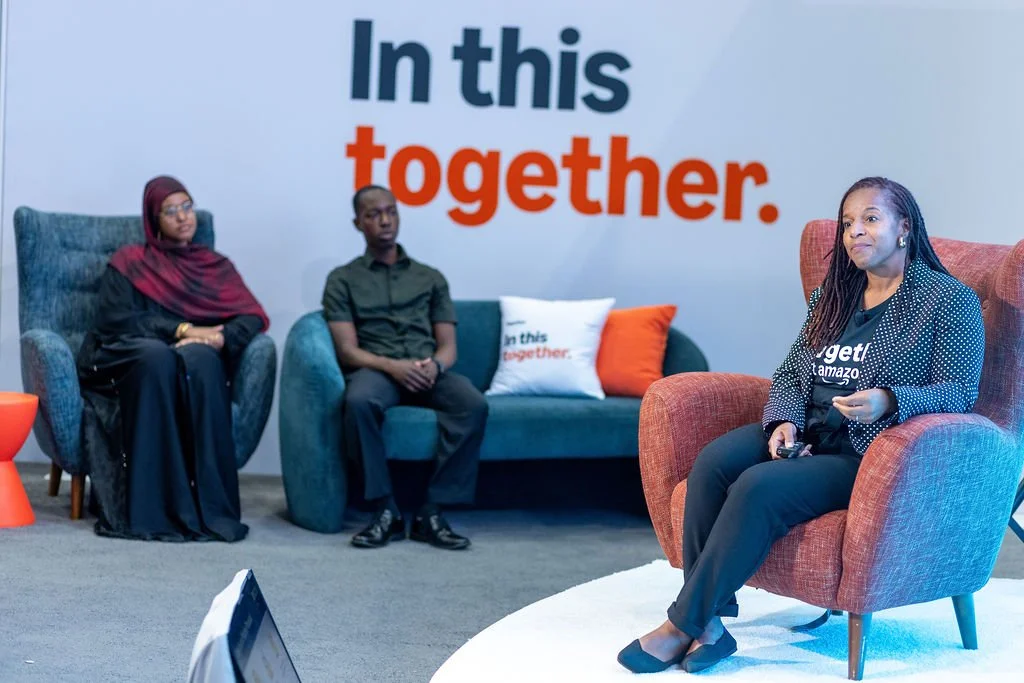
Encourage attendees to become contributors rather than consumers. Add live Q&A, breakout discussions, and real-time polling so participants can shape the conversation.
Examples include:
Live polling tools like Slido or Mentimeter gauge opinions or test knowledge.
Interactive Q&A via mobile apps to give voice to in-person and virtual participants alike.
Ask-Me-Anything sessions with thought leaders that break down barriers between speakers and attendees.
Host Hackathons and Innovation Labs
For tech audiences, nothing drives engagement like hands-on problem-solving. Incorporate hackathons, design sprints, or innovation challenges that let participants apply ideas in real time.
These formats don’t just engage — they generate tangible outcomes, from prototype apps to new partnerships.
Use Moderators as Connectors
Dynamic moderators can turn even traditional panels into conversations. Instead of scripted sessions, let moderators facilitate audience questions, live commentary, or quick polls to keep energy levels high.
Pro Tip: Design your program flow to alternate between high-intensity engagement (hackathons, demos) and reflective moments (fireside chats, networking breaks) to keep attention balanced.
Strategy 2: Leverage Technology to Enhance Experience
It’s no surprise that technology itself is the biggest tool for engagement at a tech conference. But the key is using it with purpose — as an extension of the experience.
Event Apps That Empower Attendees
A well-designed event app serves as a digital concierge, guiding participants through the experience. Include features like:
Personalized schedules
Interactive maps
Push notifications for real-time updates
AI-powered matchmaking to connect attendees with shared interests
AR/VR for Immersive Experiences
Augmented and virtual reality demos allow guests to experience technology firsthand — from exploring new software environments to interacting with 3D data visualizations.
Young man tries VR device at the Congressional Black Caucus Foundation’s Annual Legislative Conference 2025
Imagine a cybersecurity summit where attendees use VR to simulate digital defense scenarios — engaging both mind and senses.
AI Tools for Accessibility and Efficiency
Leverage AI translation and captioning to make global tech convenings inclusive and accessible. Chatbots can assist attendees in navigating schedules, venues, or FAQs in real time.
Personalization is no longer optional — it’s expected. Tech professionals live in a world of data-driven customization, and they notice when events don’t reflect that same intelligence.
Tailored Agendas and Tracks
Segment audiences based on roles, interests, or experience levels. Offer curated tracks — one for developers, another for executives, another for policymakers — to ensure relevance across the board.
Smart Pre-Event Onboarding
Use registration data to personalize communications. Send tailored content, recommended sessions, or networking matches before the event begins. This sets expectations and makes attendees feel seen and valued.
Micro-Experiences Within Macro Events
Large-scale conferences can still feel personal when designed around small moments of connection — such as curated VIP lounges, meet-the-speaker sessions, or niche breakout rooms.
Why It Works: Personalization increases engagement, satisfaction, and retention. Attendees who feel the event was “built for them” are more likely to return, share feedback, and advocate for your brand.
Strategy 4: Foster Networking and Community Building
Networking is one of the top reasons people attend tech conferences — yet it’s often the least well-designed aspect. Great conferences treat networking as a strategic function, not a side activity.
Create Structured Networking Opportunities
Curated Meetups: Group participants by industry verticals or shared challenges.
Mentorship Lounges: Pair rising talent with senior leaders for short coaching sessions.
Speed Networking: High-energy sessions where attendees meet dozens of peers in minutes.
Design for Organic Interaction
Physical layout matters. Build “collision zones” — casual lounges, coffee bars, and interactive installations that naturally encourage conversation.
Integrate Digital Networking
Use apps with built-in messaging and meeting scheduling tools to help attendees connect before, during, and after the event. AI matchmaking can recommend connections based on shared goals or backgrounds.
Example: At Stratus-produced summits, dedicated “networking blocks” and branded lounges create a flow where conversation feels natural, not forced — balancing productivity with approachability.
Strategy 5: Use Gamification to Drive Participation
Gamification adds energy, motivation, and a sense of play to any event — especially for tech-savvy audiences who thrive on metrics and challenges.
Points, Prizes, and Progress
Award points for attending sessions, visiting exhibitor booths, or participating in polls. Display live leaderboards to foster friendly competition. Offer incentives like exclusive access or branded prizes.
Engage Through Challenges
Design scavenger hunts or problem-solving competitions tied to your event theme. For example, a cybersecurity event could feature a “Capture the Flag” challenge where teams compete to solve security puzzles.
Incentivize Learning and Interaction
Reward attendees for asking insightful questions, engaging in workshops, or sharing content on social media. Gamification turns engagement into a measurable, enjoyable process.
Why It Works
Gamified elements increase session attendance, sponsor visibility, and overall excitement. Attendees become participants with purpose, not just spectators.
Designing Conferences That Energize and Connect
Tech conferences aren’t about sitting and listening anymore — they’re about doing, connecting, and creating.
To recap, the six essential engagement strategies for tech events are:
Build interactive content formats to replace passive sessions.
Leverage technology for seamless, inclusive experiences.
Personalize the attendee journey for relevance and impact.
Foster networking and community through intentional design.
Use gamification to energize and motivate participants.
Blend hybrid and virtual engagement for global reach.
When engagement is baked into every stage of planning, your conference becomes more than an event — it becomes a platform for innovation, collaboration, and thought leadership.
At Stratus Firm, we help organizations design tech conferences that captivate audiences, spark dialogue, and drive measurable outcomes. Whether you’re hosting a niche summit or a global convention, our experiential approach ensures every attendee leaves inspired, connected, and part of something bigger.
Ready to reimagine engagement for your next tech conference?
Contact Stratus Firm to create a conference experience that inspires, connects, and accelerates innovation.
Frequently Asked Questions
-
Tech audiences are accustomed to fast-moving innovation, intuitive user experiences, and constant interaction. If a conference relies on passive formats, it quickly feels outdated. Engagement drives deeper learning, stronger networking, and higher satisfaction — turning a conference into a platform for collaboration rather than a series of presentations.
-
Interactive formats outperform traditional lectures. Live polling, real-time Q&A, breakout discussions, AMAs, and hands-on workshops keep attendees actively involved. Hackathons, innovation labs, and demos allow participants to apply ideas immediately, which increases retention and creates tangible outcomes beyond the event itself.
-
Technology should simplify and elevate the experience—not distract from it. Well-designed event apps, AI-powered matchmaking, live captioning, and AR/VR demos add value when they align with attendee needs. The key is intentional use: every tool should improve navigation, accessibility, personalization, or interaction rather than exist as a novelty.
-
Personalization makes large events feel relevant and human. Tailored agendas, curated tracks, smart onboarding communications, and role-based networking help attendees focus on what matters most to them. When participants feel the conference was “designed for them,” engagement, satisfaction, and long-term loyalty increase significantly.
-
At Stratus Firm, engagement is built into the strategy from day one. Our team designs conferences around interactivity, technology integration, and community building—aligning content, spatial design, and digital tools to create experiences that energize audiences and deliver measurable outcomes. The result is a conference that feels innovative, connected, and purpose-driven.