
The Essential Checklist for Every Event—From Gala to Summit
Every successful event starts with a checklist. Behind the glamour of a gala, the energy of a summit, or the precision of a corporate launch lies one simple truth: events only succeed when vision meets structure.
No matter the scale—an intimate dinner for donors or a 5,000-person leadership summit—a clear, actionable checklist keeps your team aligned, your logistics streamlined, and your event on track. It’s not just about staying organized; it’s about elevating every detail to deliver experiences that feel effortless and intentional.
At Stratus Firm, checklists are at the heart of our process. They’re how we’ve executed high-stakes productions like the Congressional Black Caucus Foundation’s Annual Legislative Conference, the Bozzuto Management Awards, and the Washingtonian Best Of Washington. Across every sector—nonprofit, corporate, or government—our structure ensures consistency, creativity, and calm under pressure.
This guide outlines the essential ten-step event planning checklist that can be adapted to any event type, from gala to summit and everything in between.
Why Every Event Needs a Checklist
Events are complex ecosystems. Dozens of decisions and hundreds of moving parts converge into a single moment in time. Without structure, even the most experienced teams risk oversight.
The Benefits of a Comprehensive Checklist
Prevents critical gaps — No detail is too small to track.
Creates alignment — Keeps teams, vendors, and stakeholders working toward the same goals.
Maintains consistency — Ensures quality and brand continuity across recurring events.
Reduces stress — With a clear roadmap, you can focus on execution, not crisis management.
Whether it’s an elegant fundraising gala or a global policy summit, a checklist is your strategic framework for turning big ideas into flawless experiences.
Step 1: Define Purpose, Goals, and Success Metrics
Before any venue is booked or theme selected, the most important question must be answered: why is this event happening?
Clarify the Purpose
Is it to raise funds, celebrate achievement, influence policy, or strengthen community?
What does success look like from the organization’s perspective—and the guest’s?
Align Stakeholders Early
Bringing leadership, sponsors, and internal teams into early alignment prevents last-minute pivots. Everyone should agree on the event’s objectives and priorities.
Set Measurable KPIs
Define success metrics tied to your purpose:
Dollars raised for galas.
Registrations and attendance for conferences.
Engagement scores or media impressions for corporate activations.
Clear goals give your team focus and help evaluate ROI once the event is complete.
Step 2: Budgeting and Resource Allocation
An event’s budget is not just a spreadsheet—it’s a strategic tool. A well-built budget ensures that creativity is grounded in financial reality while still leaving space for innovation.
Build Your Budget Early
Account for every category:
Venue and catering
Technical production (AV, lighting, scenic)
Design and décor
Marketing and communications
Staffing and security
Contingency fund (typically 10–15%)
Prioritize by Impact
Invest where the experience matters most: guest journey, storytelling, and logistics. A gala might prioritize décor and entertainment; a summit might focus on AV and staging.
Track in Real Time
Budgeting is dynamic. Build in tools or software to monitor changes, payments, and approvals as the project evolves.
Step 3: Venue Selection and Contracts
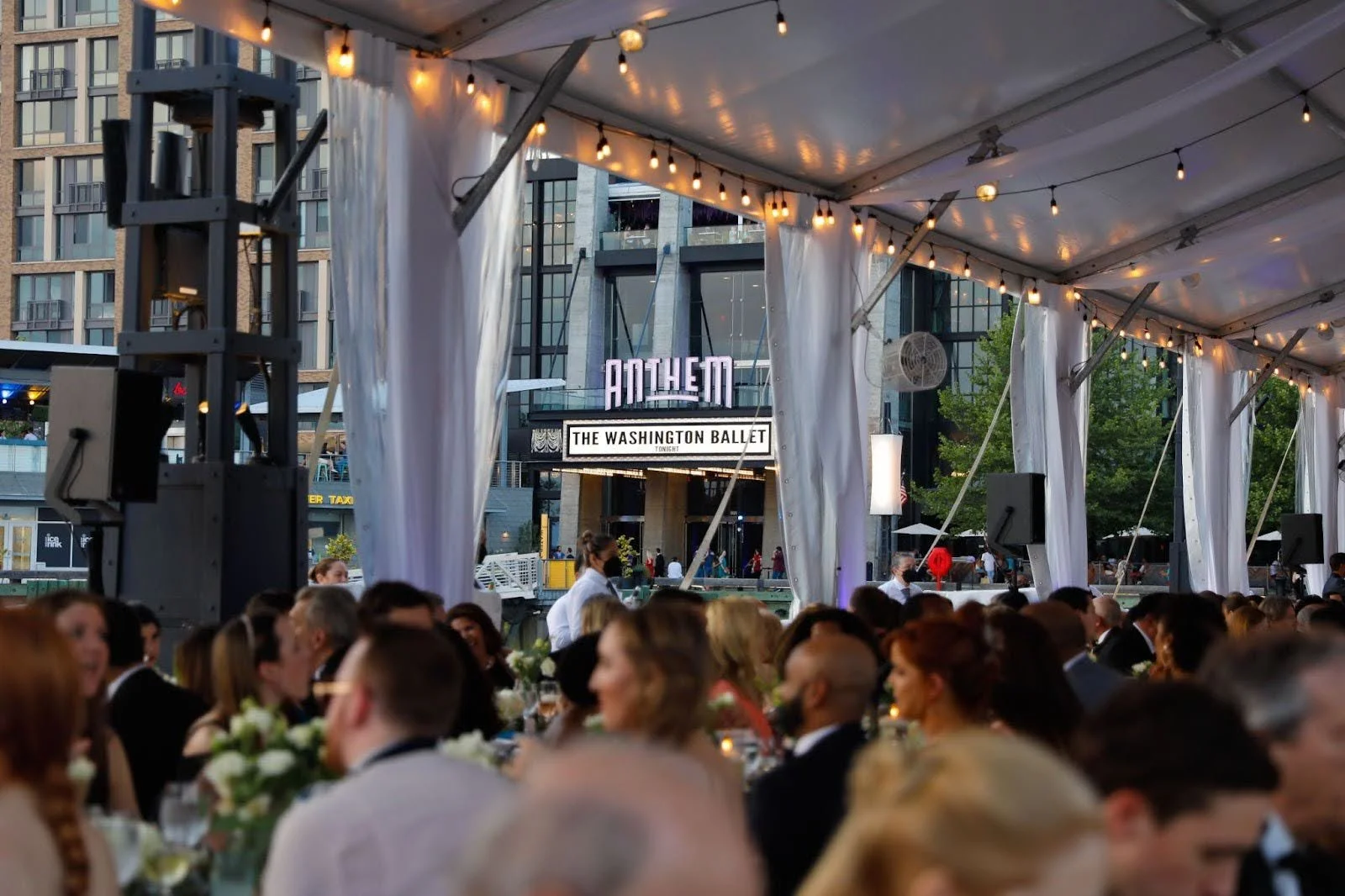
The venue sets the tone—and often dictates what’s possible. Whether it’s a museum, convention center, or hotel ballroom, your choice should align with the brand, goals, and logistical needs of the event.
Evaluate Key Criteria
Capacity: Can it comfortably accommodate your audience and flow?
Location: Is it accessible for attendees, including parking or public transit?
Infrastructure: Does it support your technical requirements (AV power, rigging, internet)?
Aesthetic: Does the venue reflect your organization’s identity?
Contract with Clarity
Pay close attention to:
Load-in and load-out access times.
Cancellation and force majeure clauses.
Exclusivity policies (e.g., in-house AV or catering).
Hidden costs like service charges or security fees.
Conduct a Walkthrough
Bring your core team and vendors on-site early to visualize layouts, traffic flow, and potential challenges before signing contracts.
Step 4: Guest Journey and Experience Design
Every event is, at its core, a guest experience. From the invitation to the farewell, each touchpoint should feel intentional and on-brand.
Map the Full Guest Journey
Pre-event communications: invitations, registration confirmations, and FAQs.
Arrival and check-in experience: wayfinding, signage, and warm welcomes.
Event flow: how guests move through spaces, transitions between programming, and networking areas.
Exit and follow-up: memorable farewells and thank-you moments.
Focus on Engagement and Comfort
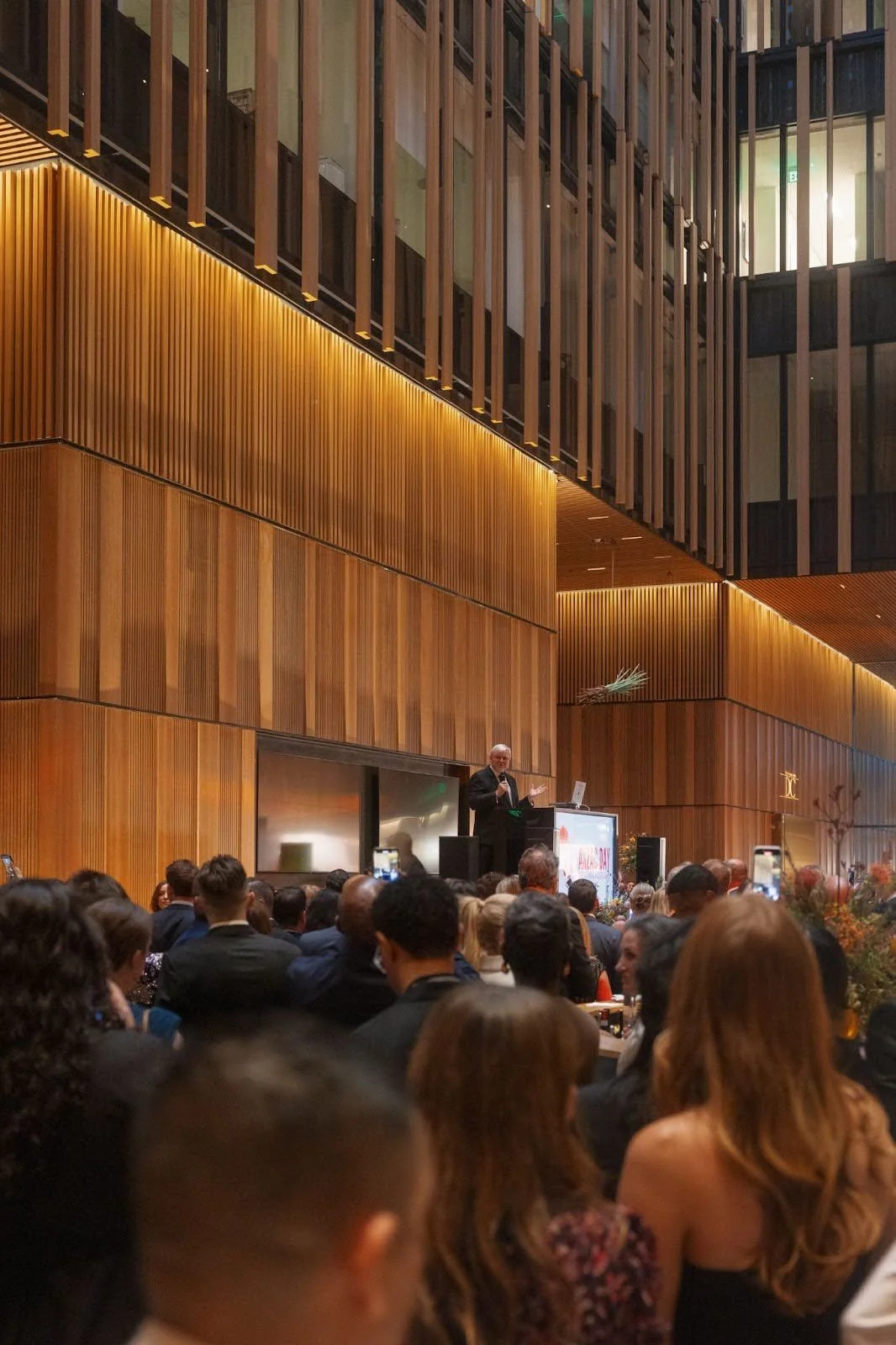
Elements like lighting, sound, seating, and timing directly affect mood and energy.
Incorporate Personalization
Tailored name badges, curated seating, or personalized messages elevate the experience from generic to meaningful—especially at high-profile galas or executive summits.
Step 5: Program and Content Development
Content drives purpose. The program is where your message comes to life and guests connect emotionally with the event’s mission.
Curate the Flow
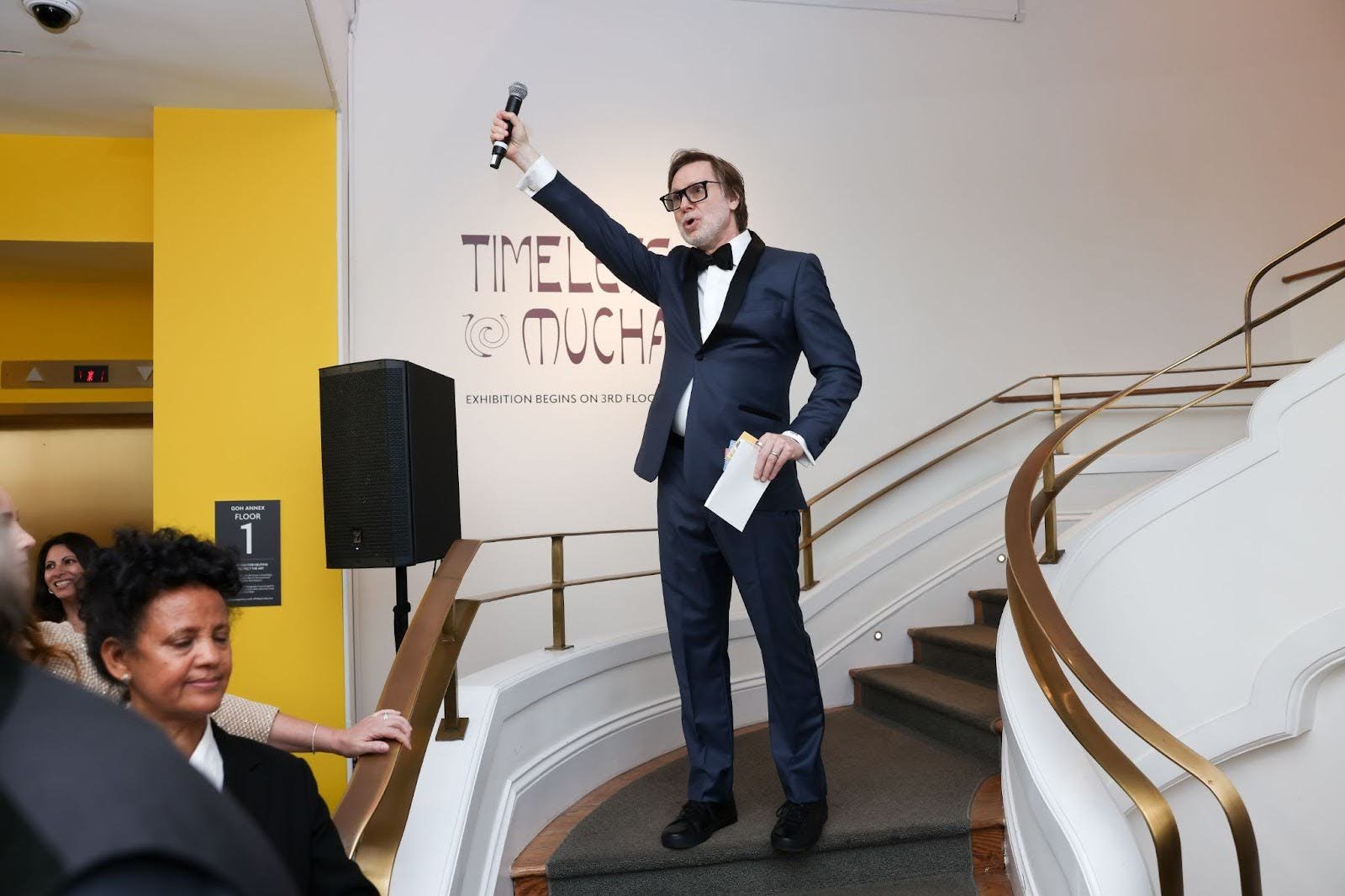
Balance presentations with interaction. Alternate between moments of inspiration and engagement to maintain rhythm and attention.
Include Storytelling Elements
Weave mission, values, or milestones throughout the program. For nonprofits, that might be a powerful beneficiary story; for corporations, a product innovation or leadership insight.
Consider Timing and Energy
Every event has a natural arc. Open strong, maintain pacing, and end with emotional resonance or celebration.
Step 6: Vendors, Partners, and Staffing
Behind every great event is a trusted network of experts. From caterers and designers to lighting and security, each partner contributes to the overall experience.
Identify and Contract Early
Top vendors book quickly—especially during peak seasons. Prioritize key partners early to secure availability.
Integrate Teams into the Master Plan
Share run-of-show documents and production schedules with every vendor. Clear communication prevents overlap and confusion.
Define Roles and Chain of Command
Everyone should know who to report to, from stage managers to volunteers. A defined hierarchy ensures fast, clear decision-making on site.
Step 7: Marketing, Communications, and Registration
Promotion is as important as production. The way you tell your event’s story determines who shows up and how invested they feel.
Create a Strategic Marketing Plan
Outline pre-event, during-event, and post-event communications. Tactics might include:
Email campaigns and targeted invitations.
Social media teasers and partner promotion.
Media partnerships or press coverage.
Manage Registration Efficiently
Choose a platform that allows seamless ticketing, data collection, and payment processing. Consider different tracks or ticket types for galas, summits, and VIP experiences.
Maintain Consistent Branding
From digital invites to stage graphics, every visual should reinforce your organization’s identity and event theme.
Step 8: Security, Accessibility, and Contingencies
Safety and inclusivity are non-negotiable pillars of event planning.
Plan for Security at Every Level
Whether working with private security or coordinating with law enforcement, address:
Guest access and credentials.
Bag checks and entry points.
VIP protection and privacy.
Ensure Accessibility
Your event should welcome every guest. Consider ADA compliance, mobility accommodations, and inclusive design for all experiences—physical and digital.
Build Contingency Plans
No event is immune to the unexpected. Prepare for:
Weather disruptions.
Speaker cancellations.
AV or power failures.
Run scenarios with your team and vendors so everyone knows how to pivot quickly and calmly.
Step 9: On-Site Execution and Stage Management
When event day arrives, execution becomes choreography. Everything must run like clockwork.
Run of Show (ROS)
A detailed ROS document outlines every cue, transition, and responsibility—down to the minute. This keeps stage management, production, and staff perfectly aligned.
Load-In and Rehearsals
Schedule enough time for full run-throughs of lighting, sound, and timing with all speakers and performers. Identify potential friction points before doors open.
Guest Services and Flow
Front-of-house teams should be as polished as backstage crews. Guest check-in, coat check, and hospitality stations should run smoothly and discreetly.
Maintain Calm Command
The best event leads project composure. Clear communication and a central command post allow you to make quick, coordinated decisions when issues arise.
Step 10: Post-Event Follow-Up and Evaluation
The event isn’t over when the lights dim. Post-event activities determine how the experience lives on and how lessons shape the next production.
Thank and Acknowledge
Send prompt thank-you messages to:
Guests, donors, and speakers.
Vendors, sponsors, and volunteers.
A personalized touch deepens relationships and sets the tone for future collaborations.
Measure Success
Compare outcomes against your original KPIs—attendance, engagement, revenue, or feedback. Capture quantitative and qualitative data for future benchmarking.
Conduct a Debrief
Bring your internal team and key partners together to discuss what worked and what could be improved. Document everything in a shared archive for next year’s planning.
Share Impact
For galas, that may mean sharing fundraising results. For summits, releasing event takeaways or recordings keeps momentum alive.
Case Study: Applying the Checklist to Galas and Summits
The same ten steps apply to both formats—but the emphasis shifts depending on the goals and audience.
For Galas
Purpose: Fundraising and celebration.
Focus Areas: Donor recognition, entertainment, and hospitality.
Creative Priorities: Décor, entertainment flow, and emotional storytelling.
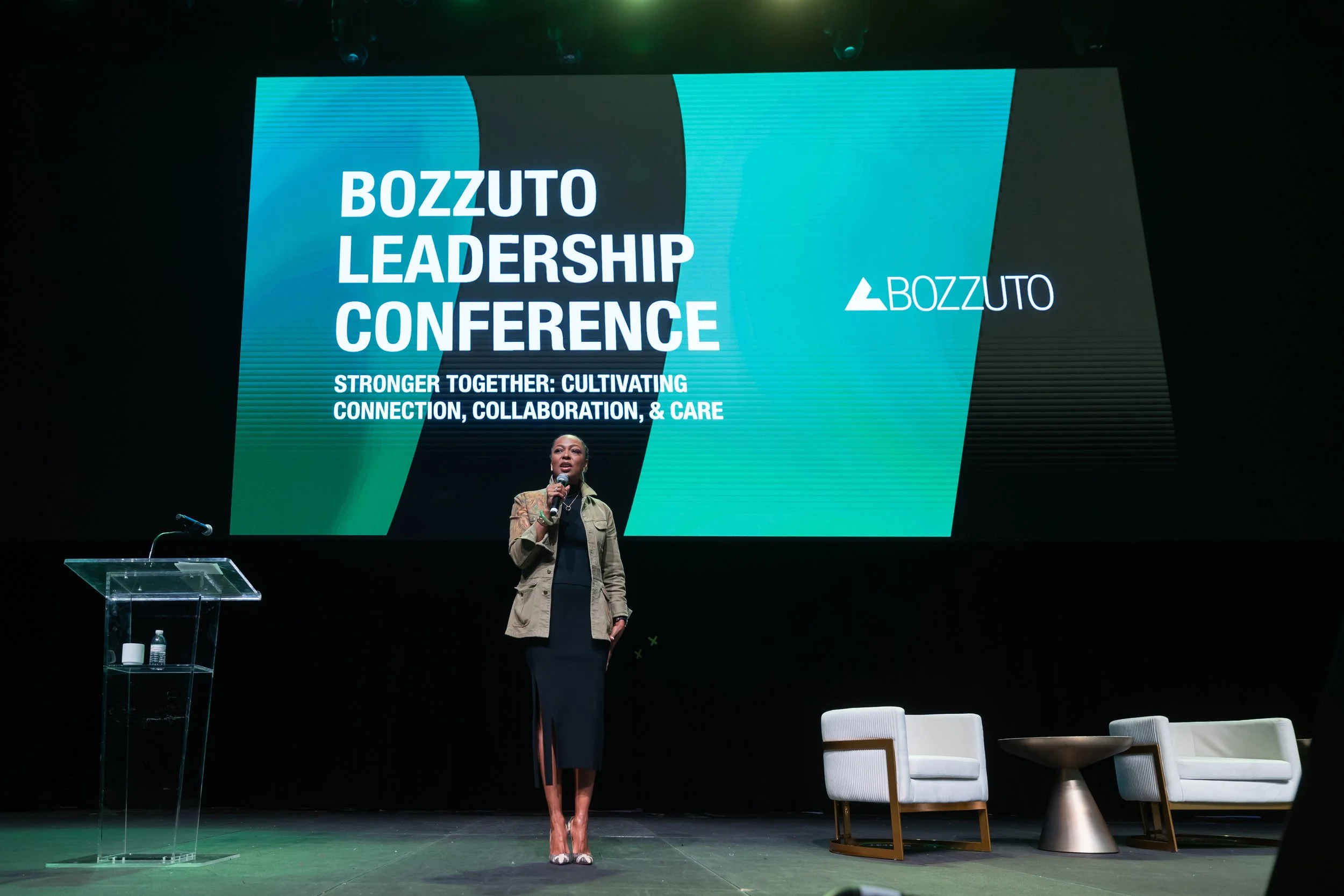
Stratus Example: The Bozzuto Management Awards transformed a traditional recognition ceremony into a cinematic brand experience—combining custom scenic design, live entertainment, and seamless production to celebrate excellence in a powerful way.
For Summits
Purpose: Thought leadership and convening.
Focus Areas: Content, networking, and agenda flow.
Creative Priorities: Stage design, panel diversity, breakout engagement, and digital integration.
Stratus Example: The U.S. Chamber of Commerce Global Aerospace Summit 2025 provided the platform for leaders across aviation, space, and defence to share updates, promote policy, and detail plans for progress. Transforming the U.S. Chamber of Commerce to include special-event branding, registration, and panel stages brought the event to life.

Whether raising funds or raising voices, success always circles back to structure and preparation.
A Framework for Event Success
A checklist isn’t just a to-do list—it’s a blueprint for excellence. It ensures creativity doesn’t get lost in chaos and that every event, no matter the scale, delivers impact.
The best event producers don’t rely on luck or instinct—they rely on systems.
At Stratus Firm, every production begins with this framework: intentional planning, creative strategy, and flawless execution. From galas that inspire generosity to summits that drive change, our process transforms ideas into extraordinary experiences.
Ready to turn your next event into a seamless success?
Contact Stratus Firm to learn how our structured, creative approach can bring your vision to life.
-
A checklist provides structure in an environment where complexity is unavoidable. With countless decisions, vendors, timelines, and stakeholders involved, a comprehensive checklist prevents gaps, keeps teams aligned, and reduces stress. It allows planners to move confidently from strategy to execution, ensuring nothing essential is overlooked, even under pressure.
-
Yes, while galas and summits have different goals, the foundational planning steps remain the same. Defining purpose, budgeting, venue selection, guest experience design, and post-event evaluation apply universally. What changes is the emphasis: galas may prioritize fundraising and hospitality, while summits focus more on content flow, AV, and networking. A strong checklist is flexible enough to adapt to both.
-
The checklist should be introduced at the very start of planning — before venues are booked or creative decisions are finalized. Early use ensures clarity around goals, budget, and success metrics, and it creates a shared roadmap for internal teams and partners. Starting late often leads to reactive decision-making and avoidable last-minute issues.
-
Structure doesn’t stifle creativity — it enables it. A checklist handles the operational fundamentals, freeing teams to focus on storytelling, design, and guest engagement without worrying about missed details. When logistics, timelines, and responsibilities are clearly defined, creative ideas can be executed with confidence and precision rather than compromise.
-
At Stratus Firm, checklists are not generic task lists — they’re strategic frameworks. Each checklist is customized to the event’s purpose, audience, and risk profile, integrating creative planning, guest journey mapping, and contingency readiness. This approach allows Stratus to manage everything from intimate galas to large-scale, high-security summits with consistency, calm, and excelle