
From Vision to Reality: How Creative Planning Elevates Every Event
Great events don’t just happen — they’re designed. Every unforgettable gala, conference, or product launch begins with a bold vision and the creativity to bring it to life. In today’s experience-driven world, creative event planning is the difference between an event that simply functions and one that truly inspires.
At Stratus Firm, we’ve seen firsthand how imagination, strategy, and precision work together to turn ambitious ideas into immersive realities. From high-profile government summits to brand-defining corporate celebrations, the most successful events share one common thread: creative planning at every stage of the process.
In this article, we’ll explore how creative planning transforms ideas into impact — bridging the gap between vision and execution, and proving that creativity isn’t just decoration; it’s the heartbeat of extraordinary events.
Why Creativity Is the Key to Memorable Events
Today’s audiences want more than beautiful spaces and polished programs — they want meaning, interaction, and moments that stay with them.
Creativity Differentiates and Delivers
In a crowded landscape of events and experiences, creativity is the great differentiator. It shapes the narrative, defines the energy, and influences how people remember your brand or mission.
An event infused with creativity isn’t just memorable — it’s measurable. Engaged guests stay longer, share more, and connect deeper. Creativity drives ROI through emotional connection, shareable content, and enhanced brand perception.
It’s Not Just About Aesthetics
When people hear “creative event planning,” they often think of décor or themes. But true creativity is intentional strategy — the art of connecting purpose to experience.
At Stratus Firm, creativity starts with a question: How should people feel at this event? From that emotional target, everything else — design, programming, lighting, technology, even catering — becomes part of a larger story.
Experience Is the Product
Whether it’s a leadership summit or a fundraising gala, audiences don’t just want to attend; they want to experience. Creative planning transforms standard moments — like a check-in line, a dinner course, or a keynote — into opportunities to surprise, delight, and engage.
The result? Events that don’t just inform — they inspire.
Defining Your Vision: Purpose, Audience, and Goals
Before creativity can flourish, clarity must come first. The most innovative event plans are grounded in a strong understanding of purpose, audience, and goals.
1. Define the “Why”
Every great event begins with a clear purpose. Are you launching a product, raising funds, convening thought leaders, or celebrating milestones? Defining the “why” ensures that creative choices stay aligned with strategic objectives.
2. Understand Your Audience
Creative planning means designing for people — not just programs. Understanding your audience’s motivations, demographics, and expectations allows you to shape experiences that resonate.
For example, a tech audience might value interactivity and data-driven storytelling, while a nonprofit gala audience might respond to emotional narratives and elegant simplicity.
3. Set Measurable Goals
What does success look like? Increased donations? Media coverage? Attendance growth? Knowing how you’ll measure impact helps prioritize creative investments and refine decision-making throughout planning.
When vision, audience, and goals are defined early, creativity can flow with purpose — producing innovation that feels intentional, not arbitrary.
Creative Planning as a Bridge Between Idea and Execution
Vision without structure is imagination; structure without vision is logistics. The power of creative planning lies in bridging the two — translating big ideas into actionable plans that deliver both inspiration and precision.
Concept Development and Storytelling
Creative planning starts by developing a narrative arc. Like any great story, your event should have a beginning (anticipation), a middle (immersion), and an end (reflection). This structure gives cohesion to every design and programming choice.
At Stratus Firm, we often build mood boards, storylines, and experiential flowcharts that map how guests will feel as they move through each stage of the event.
Brainstorming with Intention
Creativity thrives in collaboration. Structured brainstorming — with clear objectives and cross-disciplinary input from designers, producers, and logistics experts — transforms abstract ideas into grounded solutions.
A simple question guides every session: Does this idea serve the experience?
Guest Journey Mapping
One of the most effective creative tools is the guest journey map, which visualizes every touchpoint from first invitation to final farewell. It helps teams identify opportunities for emotional connection and engagement long before the first truck is loaded or light cue is programmed.
This process turns imagination into blueprint — and vision into reality.
Strategies for Bringing Creative Concepts to Life
Once your vision and story are defined, the next step is activation: using creative strategies that elevate every detail of the event experience.
1. Storytelling as Design Framework
Storytelling is the foundation of creative planning. Every visual, sound, and interaction should reinforce the central narrative. Consider:
Themes and colors that reflect brand identity or mission.
Program pacing that builds anticipation and emotional payoff.
Hosts or performers who embody the event’s message.
A cohesive story ensures that guests don’t just witness your event — they feel it.
2. Immersive Environments
Transforming a venue into an experience means designing spaces that engage all five senses. Lighting, scenic design, and spatial layout work together to create emotional resonance.
From a gala that feels like stepping into an art installation to a summit that mirrors the pace of innovation, creative design gives form to ideas.
Example: At Washingtonian’s Best of Washington, Stratus Firm turned the National Building Museum into a multi-sensory culinary playground. Every zone told a different story, creating a journey that kept 3,000+ guests exploring and engaging all night.
3. Technology Integration
Modern creativity blends analog beauty with digital innovation. Use technology not as decoration but as enhancement:
Projection mapping to transform architecture.
AR/VR demos to immerse guests in storytelling.
Interactive apps to guide participation or collect feedback.
For hybrid or global events, technology also ensures accessibility and inclusivity — extending the experience far beyond the physical room.
4. Interactive and Personal Elements
People remember what they participate in. Consider:
Live polls or Q&A to engage audiences during sessions.
Custom activations that tie into brand storytelling.
Personalized touches like tailored seating cards or curated gift experiences.
Small details can make guests feel part of the story — not just an observer of it.
5. Collaboration and Creative Partnerships
Creative execution thrives on collaboration between producers, vendors, and creative partners. Bringing scenic designers, lighting teams, caterers, and technical directors together early in the process allows innovation to flourish while maintaining feasibility.
Great creative planning doesn’t just “add more”; it aligns everything to amplify impact.
Balancing Innovation with Practical Logistics
For every bold creative idea, there’s a logistical challenge waiting to be solved. The secret? Creative planning is as much about discipline as it is about imagination.
Creativity Within Constraints
Budgets, timelines, and venue limitations aren’t obstacles — they’re opportunities. Constraints often fuel the most inventive solutions, forcing planners to think resourcefully and prioritize what truly matters.
Operational Foresight
Behind every breathtaking reveal or flawless performance lies months of meticulous planning.
Run of show documents outline every cue and transition.
Vendor coordination plans ensure consistency across teams.
Rehearsals and walk-throughs translate creativity into seamless execution.
Safety, Security, and Scalability
Especially for high-profile or government events, creative production must coexist with strict protocols. That’s where experienced planning makes the difference — ensuring innovation doesn’t compromise compliance.
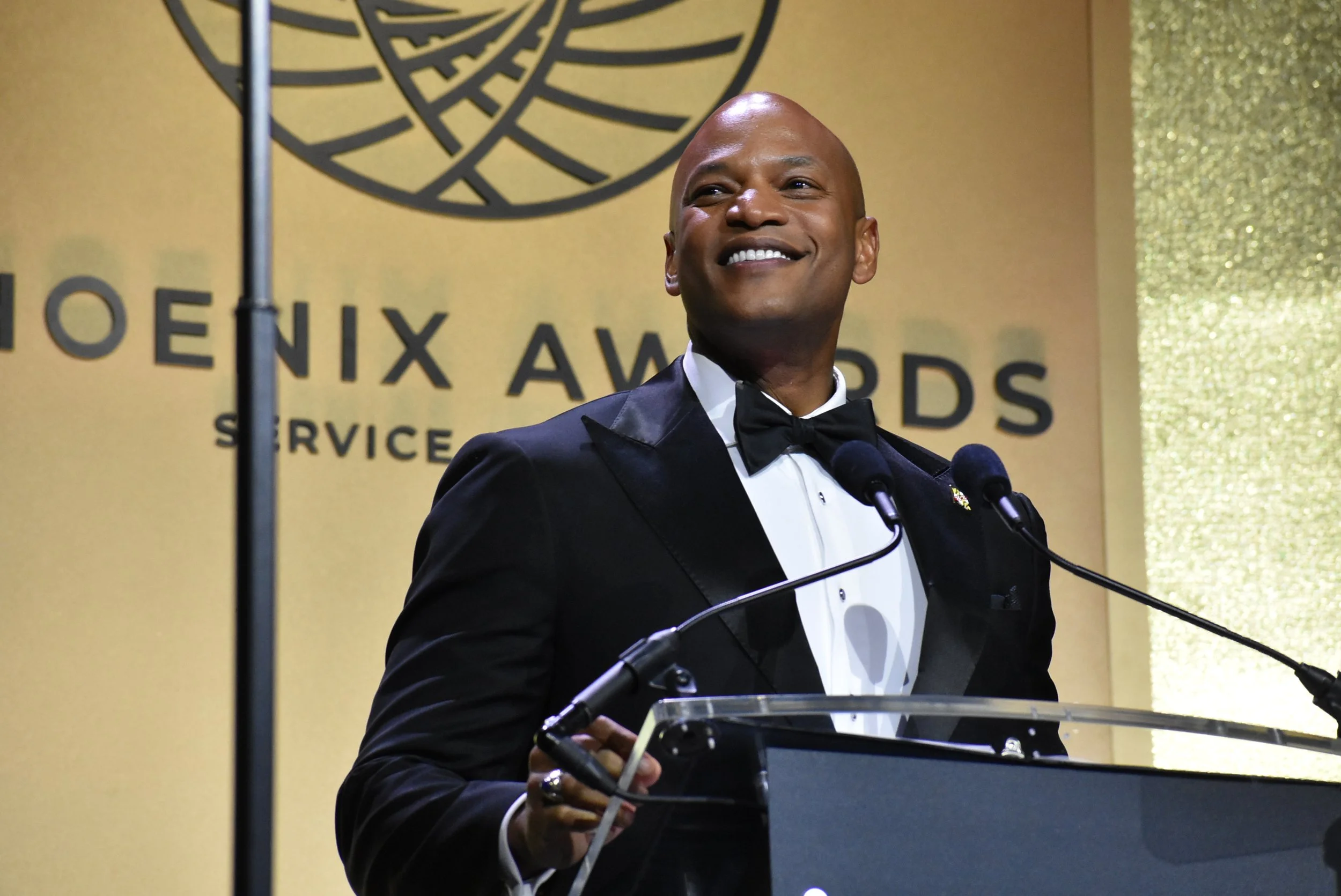
Example: During the Congressional Black Caucus Foundation’s Phoenix Awards Dinner, Stratus Firm executed presidential-level security while maintaining elegance and emotional storytelling — a balance of creativity and control that few events achieve.
The Lesson:
Creative planning isn’t about pushing boundaries recklessly — it’s about pushing them responsibly.
Case Studies: Events Elevated by Creative Planning
Bozzuto Management Awards
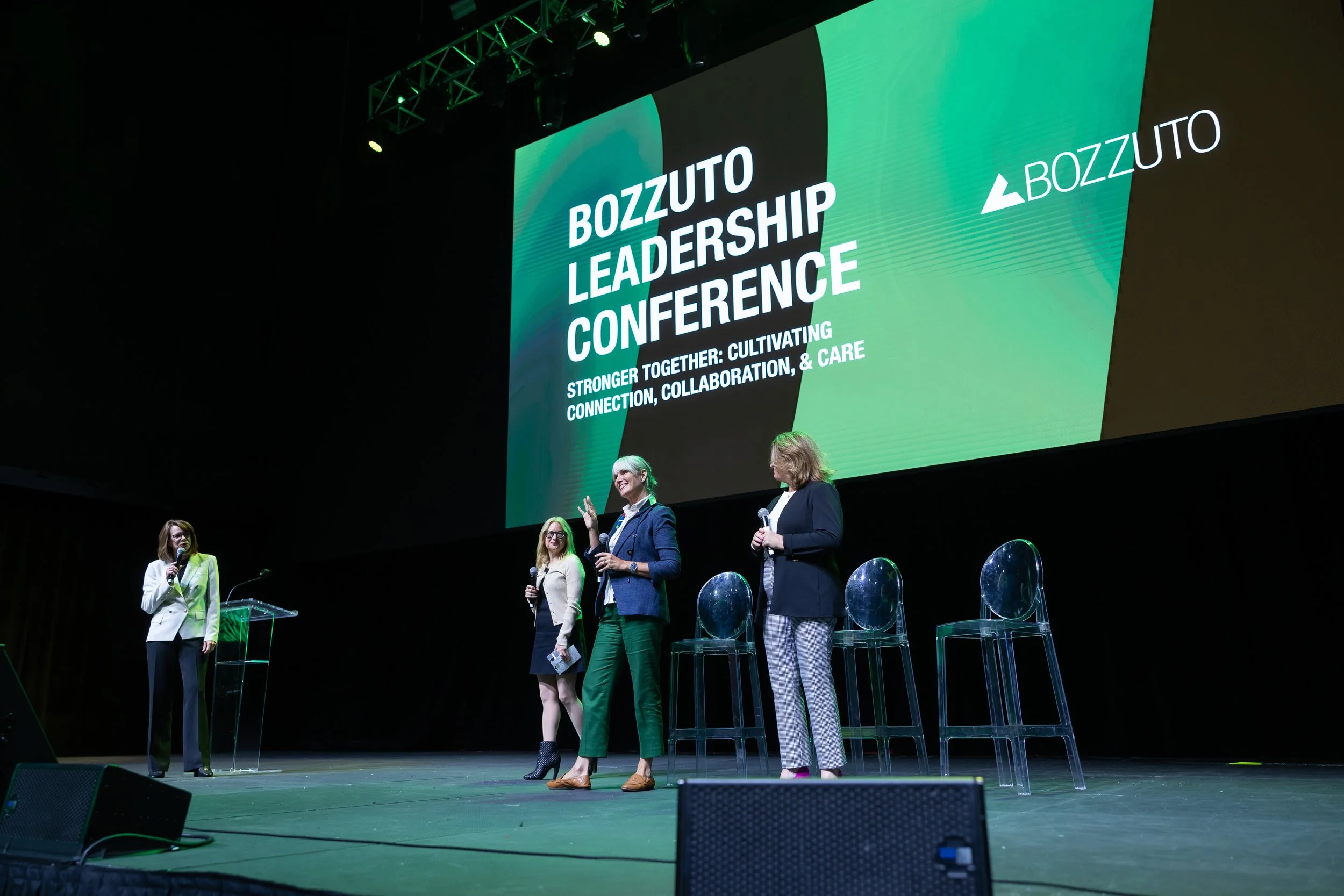
What could have been a standard corporate recognition ceremony became a cinematic brand celebration. Through creative stage design, motion graphics, and storytelling, Stratus Firm transformed Bozzuto’s annual awards into an emotionally charged experience that honored employees while reinforcing company culture.
Washingtonian’s Best of Washington
Each year, thousands attend this iconic celebration of D.C.’s culinary scene. Stratus Firm reimagined it as an immersive festival — blending soundscapes, lighting, and sponsor activations to create a cohesive, multi-sensory environment. Creativity extended beyond décor to flow, guest engagement, and sponsor experience.

CBCF’s Annual Legislative Conference
This five-day convention for 16,000+ guests demonstrates creativity on a massive scale. From intricate staging and hybrid production to emotional storytelling during the Phoenix Awards Dinner, Stratus Firm orchestrated an event that was both logistically complex and profoundly impactful.
Each case proves that when creativity drives planning, the result is more than an event — it’s an experience that lives on in memory and meaning.

Lessons for Organizations and Planners
1. Creativity Thrives Within Structure
The best creative ideas emerge from clear frameworks — defined goals, deadlines, and processes. Structure provides the foundation for imagination to flourish.
2. Collaboration Fuels Innovation
Break down silos between design, logistics, and production teams. When everyone works toward the same vision, creativity becomes cohesive rather than chaotic.
3. Never Stop Evolving
Event creativity is not static. Trends shift, audiences evolve, and technology opens new doors. Commit to continuous learning and reinvention.
4. Strategy First, Spectacle Second
Creative ideas should always serve the purpose of the event. Spectacle alone may dazzle, but strategy ensures longevity and impact.
5. Trust the Process
From the first brainstorming session to the final teardown, every step matters. Creative planning is a journey — one that rewards patience, curiosity, and collaboration.
Turning Vision Into Impact
When creativity guides planning, events transcend logistics and become moments of connection, storytelling, and transformation.
From concept to execution, creative planning is the bridge between imagination and experience — the process that turns vision into something guests can see, feel, and remember.
At Stratus Firm, we specialize in transforming ideas into extraordinary realities. Whether it’s a high-profile summit, a corporate gala, or a nonprofit celebration, our team fuses strategic creativity with flawless production to elevate every detail.
Because when planning is intentional and imaginative, an event doesn’t just happen — it inspires.
Ready to turn your vision into reality?
Work with us to design an event experience that’s creative, cohesive, and unforgettable.
-
Creative event planning is about intentional experience design, not just aesthetics. While décor and themes are visible expressions of creativity, true creative planning connects purpose, storytelling, and emotion across every touchpoint. It shapes how guests move through an event, how they feel at key moments, and how the experience aligns with brand or mission goals—from arrival flow and program pacing to lighting cues, technology, and even catering decisions.
-
Creative planning acts as the bridge between imagination and execution. It translates a high-level vision into tangible elements—narratives, spatial design, program flow, and production plans—that teams can build against. By developing story arcs, mood boards, guest journey maps, and experiential frameworks early, creative planning ensures that bold ideas remain cohesive, feasible, and aligned through every phase of execution.
-
Without clarity, creativity becomes decoration rather than strategy. Defining purpose, audience, and goals ensures that creative decisions serve a meaningful outcome—whether that’s fundraising, brand positioning, engagement, or education. Understanding who the event is for and what success looks like allows planners to invest creatively where it matters most and avoid experiences that look impressive but fail to resonate or deliver impact.
-
The strongest creativity thrives within structure. Budgets, schedules, and venue constraints aren’t barriers—they’re creative guardrails. Effective planning evaluates ideas through both an imaginative and operational lens, prioritizing concepts that deliver the greatest emotional and strategic return. Detailed pre-production, vendor collaboration, rehearsals, and contingency planning allow innovation to shine without compromising feasibility, safety, or execution.
-
Guest journey mapping visualizes the entire experience — from the first invitation to the final goodbye — highlighting emotional peaks, friction points, and opportunities for connection. This process helps planners design with empathy, ensuring that no moment feels accidental or disconnected. By intentionally shaping anticipation, immersion, and closure, guest journey mapping turns individual moments into a cohesive story that guests remember long after the event ends.