
Guest List Strategy for Government and Advocacy Events

In most events, the guest list is treated as logistics. In government and advocacy events, it’s strategy.
Who you invite determines more than attendance; it shapes the conversations that happen, the relationships that form, and the outcomes that follow. In environments like Capitol Hill, where influence, access, and perception carry real weight, the room itself becomes the message.
The most effective events aren’t defined by how many people attend. They’re defined by who is in the room and why.

Why Guest List Strategy Matters More Than Ever
In a crowded event landscape, attention is limited and expectations are high.
Stakeholders, whether policymakers, corporate leaders, or nonprofit advocates, are selective about where they spend their time. Simply hosting an event is no longer enough. The value of the room must be clear.
A strategic guest list ensures that:
the right voices are present
conversations are relevant and productive
attendees see value in participating
the event aligns with broader organizational goals
When done well, the guest list becomes the foundation for everything that follows.
The Role of Audience in Event Outcomes
Events are often designed around content, production, or experience.
But in advocacy and government environments, the audience is the outcome.
A well-curated room can:
influence policy conversations
strengthen stakeholder relationships
signal alignment or momentum
create opportunities for collaboration
The inverse is also true. A poorly curated guest list can dilute messaging, create awkward dynamics, or miss key opportunities entirely.
In these settings, success isn’t just about what’s said on stage; it’s about who’s listening, responding, and engaging in the room.
Define Objectives Before You Build the List
Before adding a single name, clarify the purpose of the event.
Ask:
Are you trying to influence policy?
Build relationships with decision-makers?
Activate a network of advocates?
Elevate brand or organizational positioning?
Each objective requires a different mix of attendees.
For example:
A policy-focused roundtable may prioritize lawmakers and subject matter experts
A coalition-building event may require a broader mix of stakeholders
A donor or partner event may focus on relationship depth over volume
Without clear objectives, guest list decisions become reactive instead of intentional.
Key Stakeholder Categories to Consider
In government and advocacy events, the guest list is rarely one-dimensional. It typically includes a mix of stakeholders, each playing a different role in the ecosystem.
Policymakers and Officials
Elected officials and their staff bring authority, visibility, and influence. Their presence can elevate the event and shape its outcomes.
Industry and Subject Matter Experts
Experts provide credibility and depth to conversations, ensuring discussions are informed and relevant.
Advocacy and Nonprofit Leaders
These stakeholders often represent the mission and bring perspective on impact and community needs.
Corporate and Institutional Partners
Corporate partners may provide resources, sponsorship, or strategic alignment with the event’s goals.
Media and Influencers
In certain events, media presence can amplify reach and reinforce messaging. The key is not to include all groups equally, but to include them intentionally.
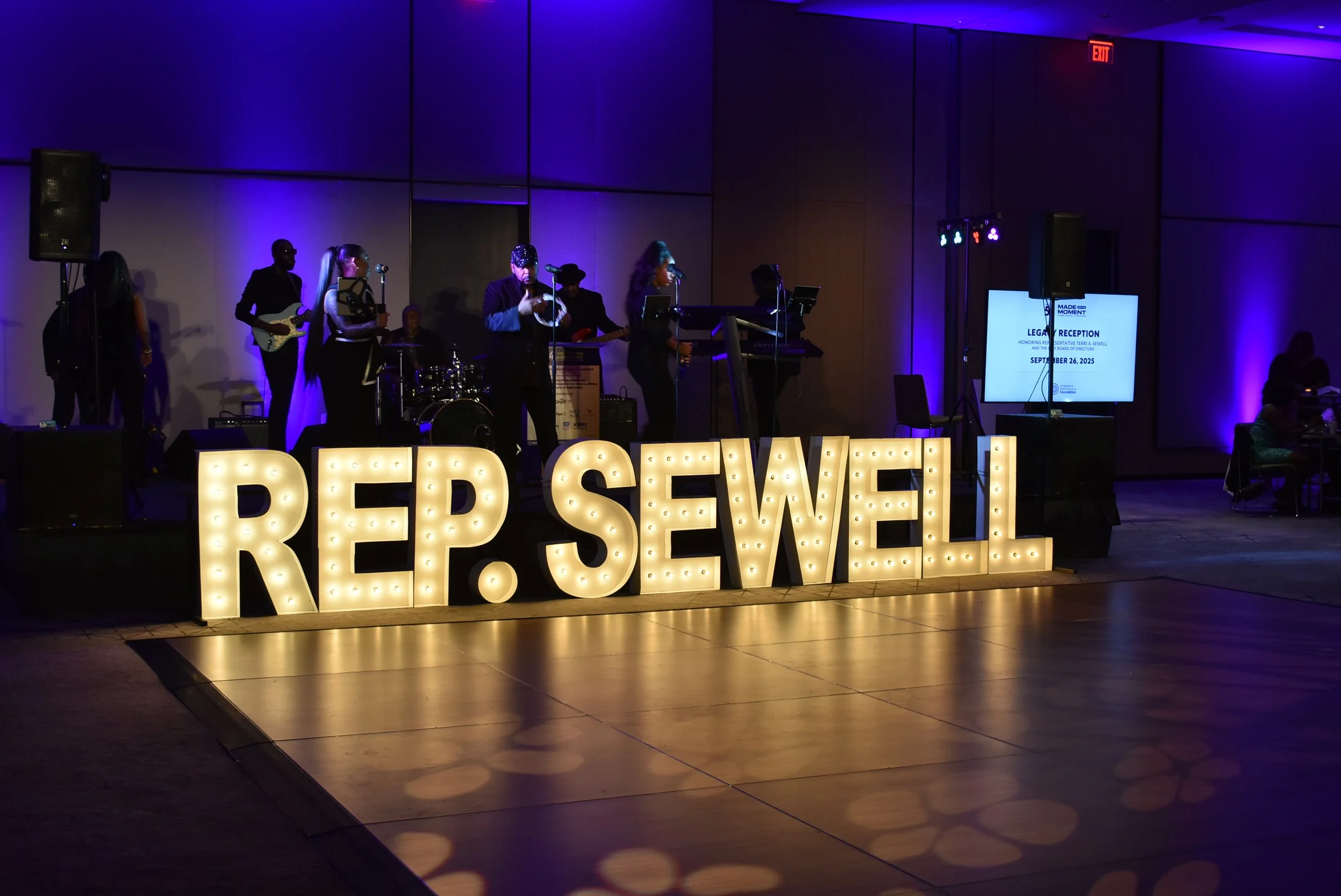
Balancing Influence, Access, and Optics
In Washington, DC, guest lists carry meaning beyond attendance.
They signal:
who is aligned with whom
which issues are gaining traction
where influence is concentrated
Balancing the room requires careful consideration. Too many high-level officials without supporting voices can limit meaningful dialogue. Too broad an audience can dilute focus. Too narrow a group can limit reach.
Effective guest list strategy balances:
Influence (decision-makers and leaders)
Access (those who benefit from or contribute to the conversation)
Optics (how the room is perceived externally)
In high-visibility environments, especially near The White House or Capitol Hill, this balance is critical.
Guest List Strategy by Event Type
Different formats require different approaches to guest list design.
Policy Roundtables
Smaller, highly curated groups focused on discussion and depth. Quality of attendees is more important than quantity.
Fly-Ins and Advocacy Days
Broader participation, often organized by region or constituency, with structured meetings and coordinated messaging.
Conferences and Summits
Larger audiences with a mix of stakeholders, requiring careful segmentation and programming alignment.
Receptions and Networking Events
Designed to facilitate connection, often with a more diverse mix of attendees across sectors. Understanding the format helps determine the right size, structure, and composition of the guest list.
Managing VIPs and High-Profile Attendees
High-profile attendees introduce additional layers of complexity.
This may include:
security coordination
arrival and departure logistics
credentialing and access control
seating or positioning considerations
Equally important is managing their experience.
VIPs expect:
efficiency
clarity
discretion
Their presence can elevate an event, but only if it’s handled seamlessly.
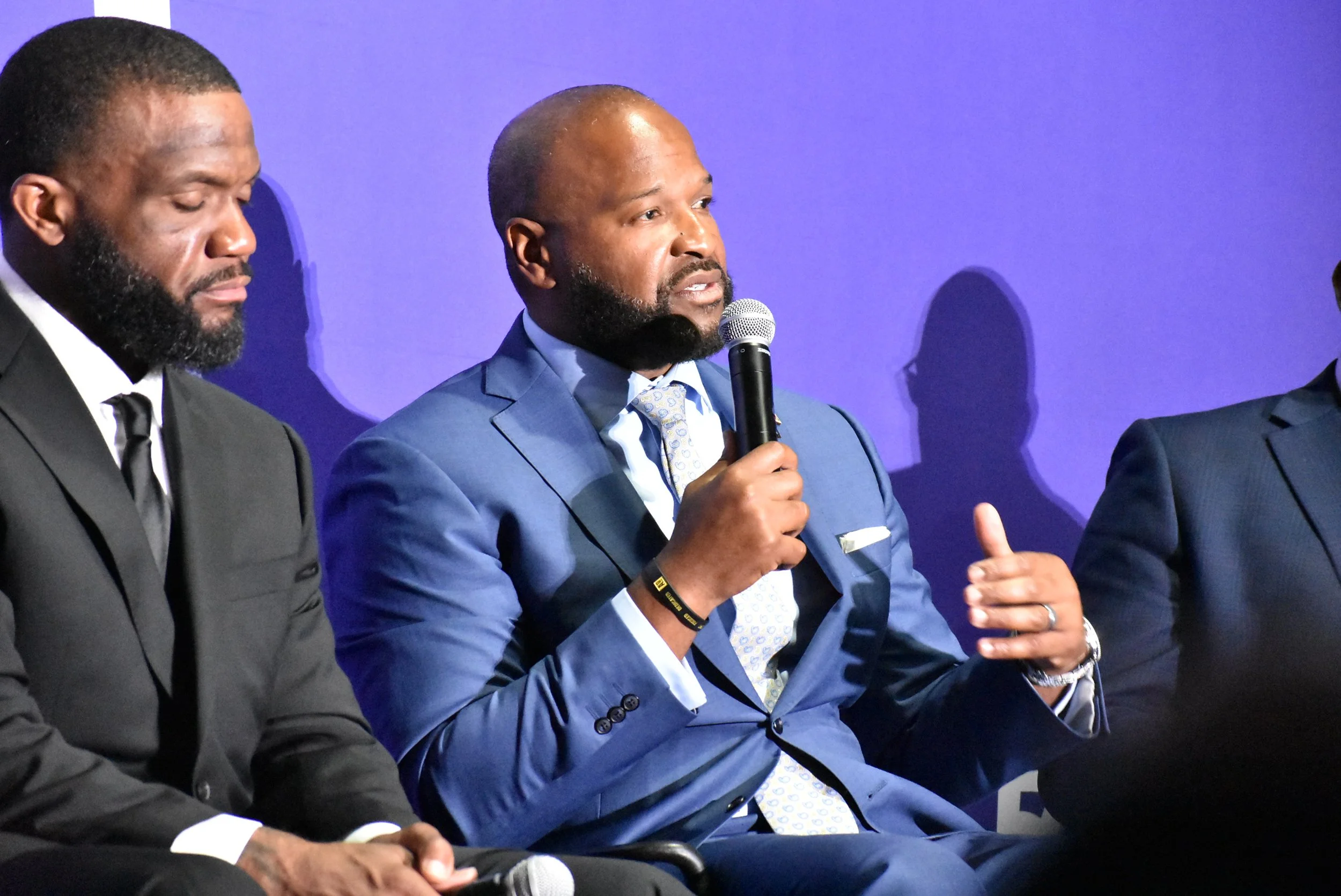
Common Guest List Mistakes to Avoid
Even experienced teams can fall into common traps.
Inviting Too Broadly
A larger guest list does not always create more impact. It can dilute conversations and reduce engagement.
Misaligned Stakeholders
If attendees don’t share a common purpose, the event can feel disjointed.
Overlooking Mid-Level Influencers
Staffers, advisors, and emerging leaders often play critical roles in decision-making. They should not be overlooked.
Treating the Guest List as Static
Guest lists should evolve as priorities, confirmations, and circumstances change.
Avoiding these pitfalls requires a proactive, strategic approach.
From Invitation to Arrival: Execution Matters
A strong guest list strategy doesn’t end with who is invited; it extends through how guests are managed.
This includes:
clear and timely invitations
thoughtful RSVP tracking
tailored communication for different audiences
seamless check-in and arrival experiences
Every touchpoint reinforces the value of the event and the professionalism of the organization. In high-stakes environments, these details are not optional; they are expected.
Final Thoughts: Designing the Right Room
In government and advocacy events, the room is more than a setting; it’s a strategy.
The right mix of people creates:
stronger conversations
deeper relationships
clearer outcomes
The wrong mix can limit impact, regardless of how well the event is produced.
At its best, guest list strategy is about intention. It’s about understanding what the event needs to achieve and building a room that makes that outcome possible. Because in these environments, success isn’t just about what happens on stage.
It’s about what happens in the room.
Now: Design the Room. Shape the Outcome
In high-stakes environments, the guest list isn’t an afterthought; it’s the foundation.
At Stratus Firm, we help organizations move beyond attendance and design rooms that drive real outcomes. From stakeholder alignment to high-profile coordination, we bring strategy and precision to every detail.
Whether you’re planning a policy convening, advocacy event, or high-level gathering, we help ensure the right people are in the room and that the room works.
Let’s build your next event with intention.
Frequently Asked Questions
-
Guest list strategy is the intentional process of selecting attendees to achieve specific event goals, such as influence, engagement, or relationship building.
-
Start by defining the event’s objectives, then identify key stakeholders, including policymakers, staffers, partners, and experts, who align with those goals.
-
Advocacy events typically include a mix of lawmakers, staffers, subject matter experts, nonprofit leaders, and stakeholders connected to the issue.
-
The right attendees drive meaningful conversations and outcomes, while a larger but less targeted audience may dilute impact.
-
Balance influence, access, and optics by including a thoughtful mix of decision-makers, contributors, and aligned partners.