
How Brand Activations Drive Customer Engagement and ROI

Marketing channels are crowded. Consumers scroll past ads, ignore emails, and filter out noise faster than ever. Traditional awareness campaigns still matter, but attention alone is no longer enough. That’s where brand activations make the difference.
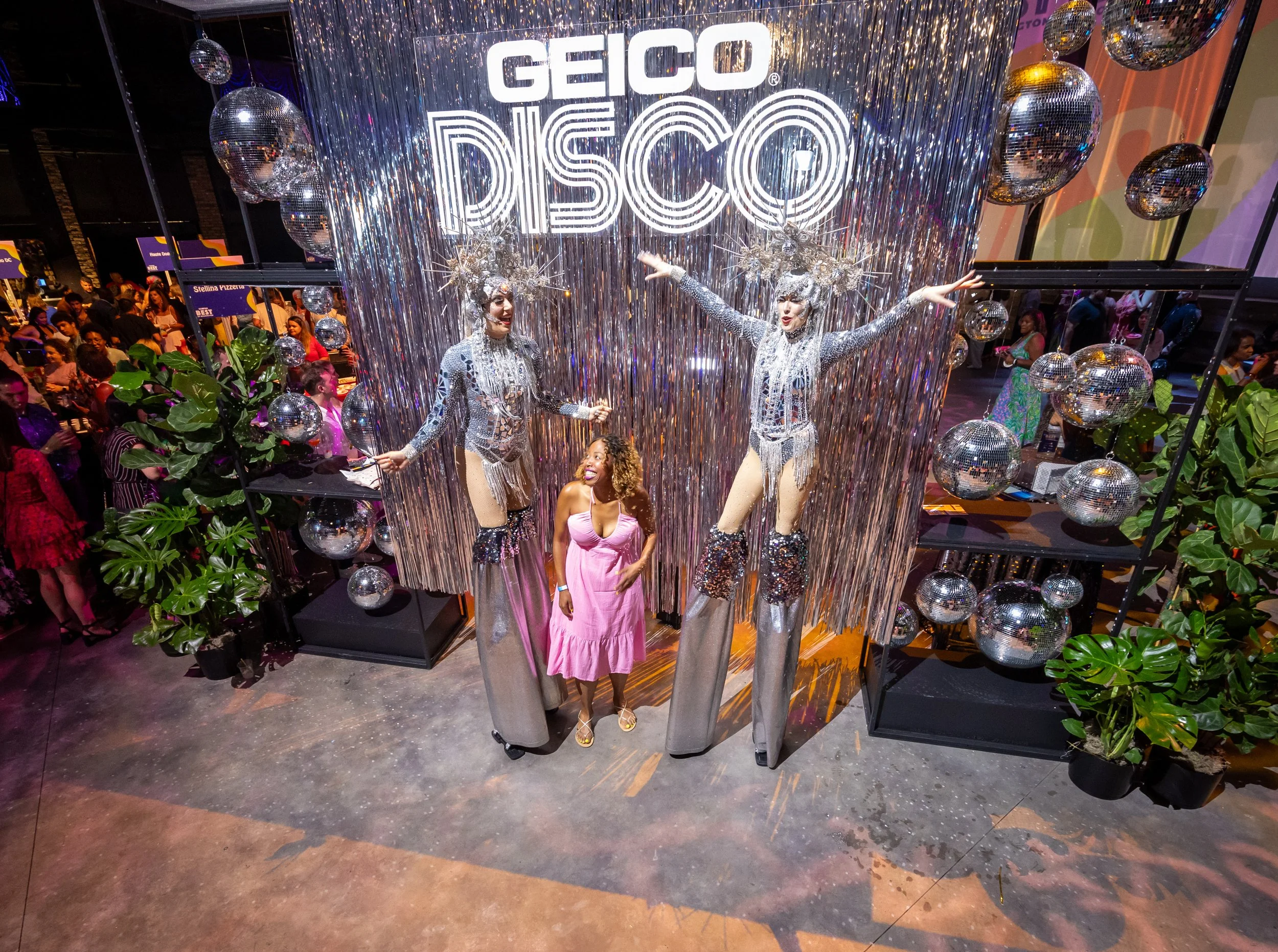
Brand activations are immersive marketing experiences designed to engage audiences directly with a brand to drive awareness, engagement, and measurable business outcomes.
When strategically designed and professionally executed, brand activations do more than create buzz. They generate data, accelerate sales, and deliver measurable ROI.
Let’s explore how.
What Are Brand Activations?
Brand activations are experiential marketing initiatives that invite audiences to interact directly with a brand in a memorable way.
They can take many forms:
Pop-up installations
Product launch experiences
Festival activations
Mobile tours
Corporate experiential campaigns
Interactive trade show environments
Immersive branded environments
The key difference between traditional marketing and brand activations is participation. Activations are not passive impressions. They are lived experiences.

Why Experiential Marketing Works
Experiential marketing taps into psychology.
When people actively participate in an experience, they are more likely to:
Remember the brand
Associate positive emotion with the brand
Share the experience socially
Consider purchasing
Recommend the brand to others
Research consistently shows that live experiences create higher memory retention than digital-only impressions. Engagement creates emotional imprinting. Emotion drives decision-making.
Engagement Is the First ROI Layer
Before we talk about revenue, we need to talk about engagement.
Brand activations increase:
Time spent with the brand
Direct interaction
Social sharing
Word-of-mouth exposure
Brand affinity
An attendee who spends 10 minutes interacting with a product installation builds stronger brand recall than someone who views a 5-second ad. Depth matters. Brand activations create depth.
Measuring Brand Activation ROI
To demonstrate real impact, measurement must be built into a brand activation strategy from the beginning. The most successful programs track performance across several key areas that connect engagement with measurable business outcomes.
Lead generation is often one of the most direct indicators of success. Many activations capture new contacts through on-site registration systems, QR code interactions, or digital experiences. These contacts can then enter a company’s marketing pipeline, helping convert event engagement into future opportunities.
Audience engagement is another important metric. Tracking how long attendees interact with an installation—often referred to as dwell time—can provide insight into how compelling the activation experience is. Engagement tracking tools and behavioral analytics help measure this interaction, which often correlates with stronger brand recall.
Social reach expands the impact of an activation beyond the physical event footprint. Monitoring hashtag mentions, user-generated content, and social media engagement through social listening platforms reveals how widely the experience is being shared. This amplification increases brand exposure and extends the activation’s reach.
Sales influence can also be evaluated by examining post-event conversion rates. When integrated with customer relationship management (CRM) systems, brands can track whether individuals who interacted with an activation later become customers, helping demonstrate direct revenue impact.
Brand lift measures how the experience changes audience perception. Pre- and post-event surveys can track shifts in brand favorability, awareness, or purchase intent. These insights provide valuable indicators of long-term brand value.
Finally, media value reflects the broader visibility generated by the activation. Earned media impressions—from press coverage, influencer content, and social sharing—can be measured through PR monitoring tools to understand how the event contributed to brand visibility.
Together, these metrics provide a holistic view of how brand activations translate experiential engagement into measurable business results.
Brand Activations for B2B vs B2C
Brand activations are not just for consumer brands.
B2C Activations
Focus on:
Emotion
Visual impact
Social sharing
Immediate purchase triggers
B2B Activations
Focus on:
Thought leadership
Product demonstration
Executive networking
Education-driven experiences
In B2B environments, activations often generate higher-value leads with longer sales cycles. Engagement may be quieter — but deeper.
Integration Is Where ROI Multiplies
Brand activations should not exist in isolation.
To maximize ROI, activations should integrate with:
Digital advertising campaigns
Influencer marketing
Email nurture sequences
Product launch strategies
Sales enablement initiatives
For example:
An activation at a conference should feed leads directly into a CRM with tailored follow-up messaging. A product launch activation should align with paid social campaigns for broader exposure. The more integrated the activation, the stronger the ROI.
Common Brand Activation Mistakes
Prioritizing spectacle over strategy
Failing to capture attendee data
Ignoring follow-up campaigns
Underinvesting in production quality
Measuring vanity metrics instead of business outcomes
Brand activations must begin with clear objectives. Experience is the vehicle, and growth is the destination.
When Should a Company Invest in Brand Activations?
Brand activations are particularly effective when:
Launching a new product
Entering a new market
Repositioning a brand
Driving awareness at high-profile events
Accelerating sales in competitive environments
They are especially powerful when attention is fragmented and traditional media channels feel saturated. Experiences cut through noise.

Why Production Quality Matters
Brand activations are physical manifestations of your brand. If execution feels cheap or chaotic, perception suffers. If execution feels polished and immersive, brand authority strengthens.
Strategic production includes:
Cohesive scenic design
Clear messaging integration
Professional staffing
Seamless technical execution
Thoughtful crowd flow
Execution is credibility.
Final Thoughts: Experience as a Growth Strategy
Brand activations are not marketing stunts. They are strategic tools for driving engagement, accelerating sales, and increasing brand equity. When built intentionally and measured rigorously, brand activations deliver ROI across multiple dimensions, from lead generation to long-term perception lift. At Stratus Firm, we design brand activations that align creativity with measurable impact — ensuring experiences move metrics, not just audiences. Because engagement is powerful, but engagement tied to ROI is transformative.
Ready to get the most out of your brand activation?
Frequently Asked Questions
-
A brand activation is an experiential marketing initiative that engages audiences directly with a brand to drive awareness, interaction, and measurable business outcomes.
-
Brand activations encourage participation through immersive experiences, interactive installations, and direct product interaction, increasing time spent with the brand and emotional connection.
-
ROI can be measured through lead capture, sales conversions, brand lift studies, social reach, CRM integration, and post-event revenue tracking.
-
Yes. In B2B settings, activations drive thought leadership, product education, executive engagement, and high-value lead generation.
-
Costs vary based on scale, location, production design, staffing, and integration complexity. Budget should align with strategic objectives and expected ROI.