
Managing Fly-Ins and Hill Days: A Guide to Planning Effective Advocacy Events
Advocacy organizations rely on relationships.
While digital campaigns and policy research play an important role, there is still no substitute for direct conversations between stakeholders and policymakers. That’s why fly-ins and Hill Days remain some of the most effective tools in advocacy and government relations.
These events bring members, industry leaders, or supporters to Washington, DC to meet directly with elected officials and their staff. Participants share perspectives, discuss policy priorities, and build long-term relationships with lawmakers.
But coordinating these events is far from simple.
Successful fly-in event planning requires precise logistics, strong participant preparation, and careful coordination with congressional offices. When executed well, a Hill Day can amplify an organization’s message and strengthen its influence in policy discussions.
Here’s what it takes to manage fly-ins and Hill Days effectively.
What Are Fly-Ins and Hill Days?
A fly-in is an advocacy event where participants travel, often from across the country, to Washington, DC to engage with lawmakers and policy leaders.
A Hill Day is typically the central day within a fly-in program when participants conduct scheduled meetings with members of Congress and congressional staff on Capitol Hill.
These events often include:
policy briefings
advocacy training sessions
networking opportunities
coordinated meetings with legislators
Organizations hosting fly-ins may include:
trade associations
nonprofit advocacy groups
professional societies
industry coalitions
corporate government affairs team
The goal is to give stakeholders a direct voice in policy conversations.
Why Advocacy Organizations Use Fly-Ins
Fly-ins are powerful because they combine storytelling, expertise, and personal engagement.
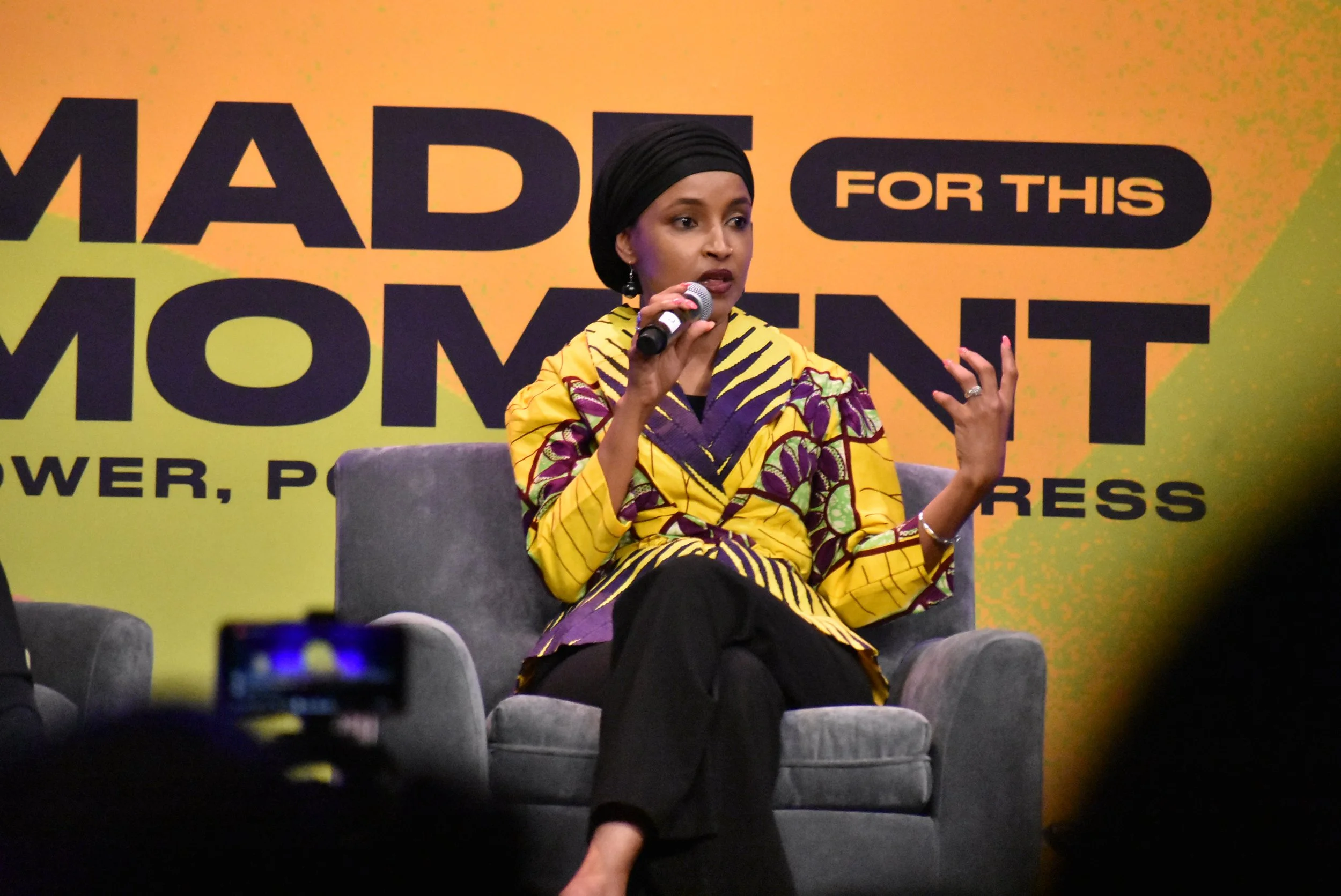
Lawmakers and their staff hear from thousands of voices every day. When constituents or industry leaders meet with them face-to-face, those conversations carry greater weight.
Fly-ins allow organizations to:
communicate policy priorities clearly
share real-world perspectives from members or constituents
demonstrate the size and commitment of their community
build ongoing relationships with policymakers
In many cases, a well-organized Hill Day can strengthen relationships that influence policy discussions for years.
Key Elements of Successful Fly-In Event Planning
Like any large event, a successful advocacy fly-in depends on thoughtful planning. However, these programs involve additional considerations beyond traditional conferences.
Event planners must coordinate:
participant travel and accommodations
advocacy training sessions
legislative meeting schedules
transportation between venues
real-time communication with attendees
Because Capitol Hill schedules can change quickly, flexibility and preparation are essential.
Coordinating Congressional Meetings
One of the most complex aspects of fly-in planning is scheduling meetings with congressional offices.
Participants typically meet with:
members of Congress
legislative directors
policy advisors
committee staff
Meeting schedules must account for:
congressional calendars
committee hearings
floor votes
office availability
Organizations often begin scheduling meetings several weeks or months in advance. Each participant group may have a customized schedule depending on their state or district. Careful coordination ensures that meetings are productive and aligned with the organization’s advocacy goals.
Preparing Participants for Capitol Hill Meetings
Many fly-in participants are experts in their industries but may have limited experience meeting with lawmakers.
Preparation is essential.
Organizations often conduct advocacy briefings before Hill Day to ensure participants understand:
the organization’s policy priorities
key talking points
the legislative landscape
meeting etiquette and protocols
Briefing materials may include:
policy issue summaries
fact sheets
district-specific information
suggested conversation frameworks
When participants feel confident and prepared, meetings tend to be more productive and impactful.
Travel and Logistics Planning for Advocacy Delegations
Fly-ins often bring together participants from multiple regions. Managing travel logistics is an important part of the planning process.
Key considerations include:
hotel accommodations
airport transfers
transportation to Capitol Hill
accessibility needs
security and credentialing requirements
Event planners must also account for the physical layout of Capitol Hill, where buildings and meeting locations are spread across multiple complexes. Efficient scheduling and transportation planning help participants move smoothly between meetings.
Messaging and Policy Alignment
Consistency in messaging is critical for advocacy events.
Participants should communicate a unified set of priorities to policymakers.
To achieve this, organizations often develop a central policy agenda that includes:
two or three key legislative priorities
supporting data and case studies
clear “asks” for policymakers
This alignment ensures that congressional offices hear a clear, consistent message from multiple participants.
A coordinated approach strengthens the organization’s credibility and influence.
Managing the Hill Day Experience
The Hill Day itself requires careful on-site coordination.
Participants may have several meetings throughout the day, often across different buildings on Capitol Hill.
Event organizers must provide:
clear schedules for each participant
real-time updates for meeting changes
staff support to answer questions
designated meeting points or briefing spaces
Some organizations also host a central gathering location, such as a nearby hotel or conference space, where participants can regroup between meetings.
This hub can serve as a command center for event staff.
Example Hill Day Schedule
Below is an example structure for a typical advocacy fly-in program.
Day 1 Morning
Participant arrivals
Day 1 Afternoon
Advocacy training and policy briefings
Day 1 Evening
Networking reception
Day 2 Morning
Group briefing and final messaging review
Day 2 Daytime
Congressional meetings on Capitol Hill
Day 2 Afternoon
Debrief session and discussion
Day 2 Evening
Optional closing reception
This structure ensures participants are prepared before their meetings and provides opportunities for reflection afterward.
Hill Day Planning Checklist
Below is a simplified checklist for managing advocacy fly-ins.
Strategic Planning
☐ Define policy priorities
☐ Identify target lawmakers
☐ Develop advocacy messaging
Participant Coordination
☐ Confirm attendee registration
☐ Share travel guidance
☐ Prepare briefing materials
Meeting Scheduling
☐ Submit congressional meeting requests
☐ Confirm schedules with offices
☐ Create participant itineraries
Event Logistics
☐ Secure hotel accommodations
☐ Arrange transportation to Capitol Hill
☐ Plan briefing sessions and meeting spaces
Event Day Coordination
☐ Provide participant schedules
☐ Monitor meeting changes
☐ Offer on-site staff support
Post-Event Follow-Up
☐ Send thank-you messages to offices
☐ Share advocacy updates with participants
☐ Evaluate event outcomes
Post-Event Follow-Up and Relationship Building
Advocacy events do not end when the final meeting concludes. Follow-up is essential for maintaining relationships with policymakers.
Organizations often continue engagement through:
thank-you communications to congressional offices
sharing additional policy information
providing updates on legislative developments
Participants should also be encouraged to maintain relationships with lawmakers in their districts. This ongoing engagement ensures the impact of the fly-in extends beyond a single day of meetings.
How Event Production Partners Support Fly-In Events
Because fly-ins involve multiple moving parts, many organizations benefit from working with experienced event production partners.
Professional event teams can help coordinate:
participant registration systems
travel and hotel logistics
event briefings and presentations
transportation and scheduling coordination
on-site event management
By managing operational details, production partners allow advocacy teams to focus on messaging and policy engagement. This collaboration helps ensure the event runs smoothly while maximizing its strategic impact.
Final Thoughts: Turning Advocacy Into Impact
Fly-ins and Hill Days remain some of the most powerful tools available to advocacy organizations.
They create opportunities for meaningful dialogue between stakeholders and policymakers, promoting conversations that can influence legislative priorities and strengthen long-term relationships.
But these events require careful planning.
From scheduling congressional meetings to preparing participants and coordinating logistics, successful fly-in event planning demands both strategic clarity and operational precision.
When these elements come together, advocacy events can amplify voices, build relationships, and turn policy priorities into lasting impact.
Looking to plan your next Fly-in or Hill Day?
Frequently Asked Questions
-
A fly-in event is an advocacy program where participants travel to Washington, DC to meet with members of Congress and discuss policy priorities.
-
A Hill Day is the day during a fly-in when participants hold scheduled meetings with lawmakers and congressional staff on Capitol Hill.
-
Organizations typically submit meeting requests to congressional offices weeks in advance and coordinate schedules based on participants’ states or districts.
-
Attendance varies widely depending on the organization. Some fly-ins include dozens of participants, while others may involve several hundred advocates.
-
Successful Hill Days combine strong policy messaging, well-prepared participants, and coordinated logistics that allow attendees to focus on productive conversations with policymakers.