
Designing Lasting Impressions: From First Touchpoint to Final Goodbye
The most memorable events don’t just happen in a moment; they unfold as journeys. From the first invitation to the final farewell, every interaction shapes how guests feel, connect, and remember. The difference between a good event and an unforgettable one often lies in the intentional design of the guest experience.
At Stratus Firm, we believe that every detail tells a story. Each touchpoint, whether an email, a lighting cue, or a farewell gift, contributes to a cohesive narrative that leaves a lasting impression. Designing for emotion and memory transforms events from logistical achievements into experiences that resonate long after guests depart.
In this article, we’ll explore how to design lasting impressions across the full event journey, from first touchpoint to final goodbye, and why thoughtful, consistent storytelling is the key to unforgettable guest experiences.
Why Guest Journeys Matter in Event Design
Events are not just about what happens in the room; they’re about how guests feel every step of the way. Every touchpoint before, during, and after shapes perception, emotion, and loyalty.
Events as Emotional Journeys
People don’t remember every detail, but they remember how you made them feel. From anticipation during pre-event marketing to joy during a gala performance or reflection during a closing moment, emotions define memory. A well-designed guest journey intentionally taps into those emotions.
Cohesion Builds Connection
When branding, tone, and design align seamlessly across all phases, guests experience a sense of flow and purpose. This cohesion signals professionalism, care, and authenticity—qualities that strengthen brand trust.
Every Touchpoint Is an Opportunity
Each stage of an event – registration, signage, networking, even parking – is a chance to reinforce your message and deepen engagement. The most successful events turn these operational moments into meaningful experiences that tell a story.
At Stratus, we see events as living ecosystems of design, hospitality, and emotion. Our approach ensures that every step of the guest journey reinforces the event’s purpose and identity.
Mapping the Full Experience: Before, During, After
Designing lasting impressions starts with mapping the entire lifecycle of the guest journey. Think of it as a three-act story: Before, During, and After.
Before the Event: Build Anticipation
The journey begins long before guests walk through the doors. Invitations, registration sites, social media, and pre-event communications set the tone.
Ask yourself:
What emotion should guests feel when they receive the invitation?
Does the design and language reflect the event’s brand or theme?
How easy and enjoyable is the registration process?
The pre-event phase is where curiosity and excitement begin to grow.
During the Event: Engage the Senses
Once guests arrive, your focus shifts to immersion and connection. Every detail—from lighting to music to service—contributes to the event’s narrative.

After the Event: Sustain the Connection
The final impression can be the most powerful. Follow-ups, thank-you messages, or post-event content ensure the experience lives on, reinforcing goodwill and continued engagement.
Pro Tip: Visualize this process as a guest journey map—a timeline of every touchpoint, from first click to final wave goodbye. This tool helps teams identify opportunities to surprise, delight, and emotionally connect.
First Touchpoint: Invitations, Marketing, and Arrival
Invitations Set the Tone
Your first communication defines expectations. Whether digital or printed, your invitation should reflect the event’s personality—formal, playful, innovative, or elegant. The design, typography, and wording all communicate your brand’s voice.
A high-end gala invitation might use metallic foil and rich texture; a tech summit might opt for a sleek digital design with animated graphics. What matters most is coherence—every visual cue should reflect the event’s purpose and audience.
Pre-Event Communication Builds Anticipation
Use storytelling across channels—emails, social media, and teaser videos—to build excitement. Offer glimpses behind the scenes, highlight featured speakers or entertainment, and remind guests of what makes the event special.
Consider adding personalized touches: name recognition in emails, early access for VIPs, or curated pre-event content.
Arrival Defines the First Impression
The arrival experience is one of the most emotionally charged moments in the entire guest journey. Within minutes, guests decide how they feel about your event.
To make it count:
Signage: Clear, branded, and welcoming.
Staffing: Friendly greeters who feel like hosts, not gatekeepers.
Registration Flow: Efficient and seamless, with options for early check-in or digital credentials.
Atmosphere: Lighting, music, and scent that set the tone immediately upon entry.
Example: At the Congressional Black Caucus Foundation’s Phoenix Awards Dinner, Stratus designed a red-carpet-style entry with coordinated lighting and music transitions, giving guests an immediate sense of importance and celebration.
Immersive Experiences During the Event
Once guests are inside, immersion is everything. This is where event storytelling, sensory engagement, and program flow come together to create peak emotional moments.
Design as Storytelling
Your event space is a stage—and every element plays a role. Scenic design, lighting, and multimedia should reinforce the theme and tone. Whether minimalist or elaborate, consistency is key.
Example: A sustainability summit might use natural textures, greenery, and recycled materials to reinforce its message of environmental responsibility.
Engage All Five Senses
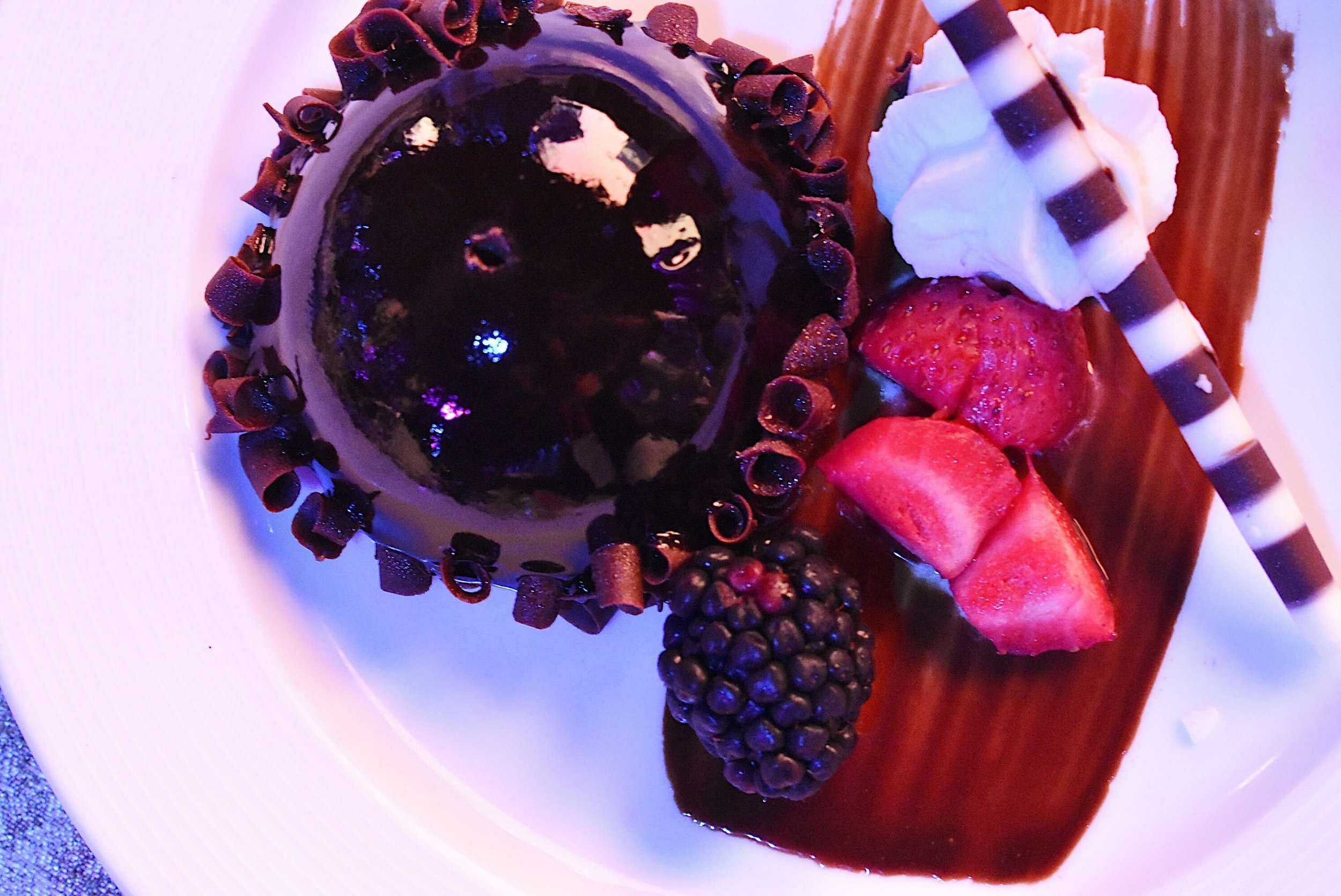
Sight, sound, touch, taste, and scent create a layered experience. Imagine the difference between walking into a silent ballroom and one filled with soft music, warm lighting, and a hint of fresh florals—it’s transformative.
Timing and Pacing Matter
The best programs feel dynamic but never rushed. Alternate between moments of energy (performances, reveals, awards) and reflection (speeches, video stories, networking). This balance keeps guests emotionally engaged.
Interactive and Social Elements
Encourage participation through photo booths, live polls, and sponsor activations. These touchpoints make guests part of the story rather than passive observers.
The Power of Personalization Throughout the Journey
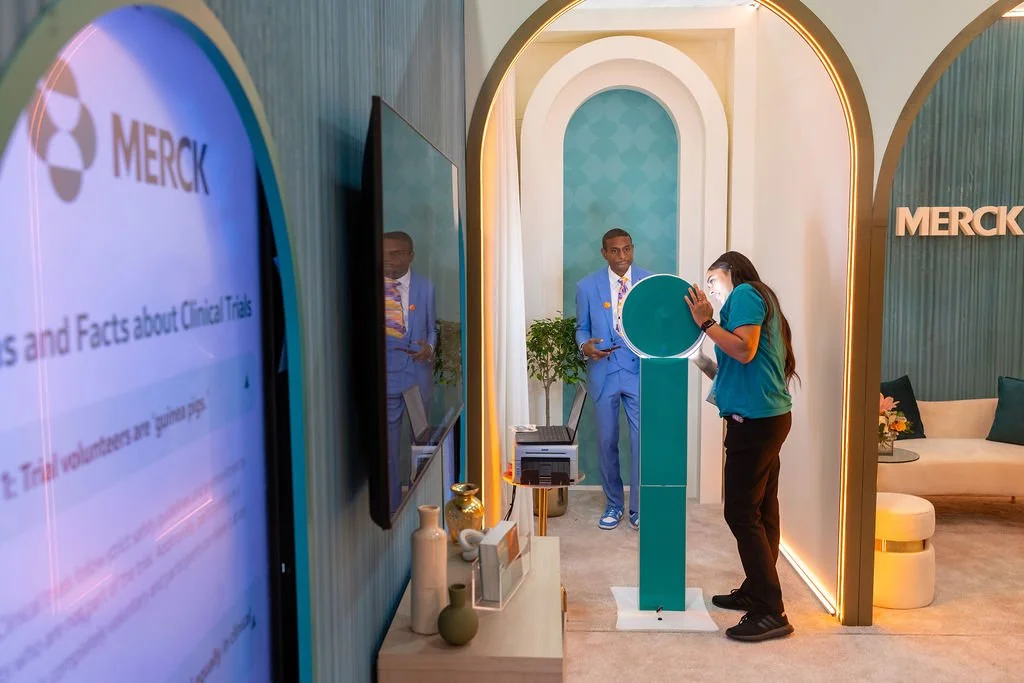
Personalization is one of the most effective ways to make guests feel valued. It transforms an event from something you attend into something you experience.
Make Every Guest Feel Seen
Greet attendees by name when possible.
Include personalized place cards, name tags, or tailored seating arrangements.
Offer personalized thank-you gifts or notes.
Curate Experiences Based on Audience Type
For large events, consider creating multiple guest journeys:
VIP or donor experiences with private lounges or exclusive content.
Tailored breakout sessions for specific audiences.
Accessibility pathways that prioritize inclusion.
Leverage Data for Smart Customization
If using event apps or digital tools, integrate data to tailor content and recommendations. Even simple actions—like pushing reminders about sessions a guest has saved—enhance the sense of personalization.
Example: For the Bozzuto Management Awards, Stratus designed a branded experience that celebrated each individual’s contribution, integrating personalized motion graphics, employee highlights, and recognition moments throughout the show.
Designing a Memorable Farewell
While first impressions draw people in, final impressions define how they remember you. The way an event concludes often determines whether guests feel inspired, grateful, or indifferent.
Create a Thoughtful Exit Experience
Avoid the abrupt “lights on, music off” ending. Instead, choreograph a smooth, graceful transition out of the evening.
Music: End with a curated playlist or live performance that matches the emotional tone.
Lighting: Soften or shift colors as guests exit to signal closure.
Staff Presence: Keep greeters available to say genuine goodbyes.
Leave Guests with a Tangible Memory
Offer a parting gift that reinforces the theme—something meaningful, not generic. Examples: a small token tied to your mission, a photo moment, or a digital thank-you reel.
Post-Event Follow-Up
The guest journey continues after the event. Within 24–48 hours, send a thank-you message that includes:
Event photos or highlight videos.
Links to press coverage or recordings.
A personal note from leadership or the host.
Information about upcoming initiatives or next year’s event.
These post-event touches deepen the relationship and keep momentum alive.
Example: After major galas, Stratus creates follow-up microsites that showcase photos, sponsor shoutouts, and donation recaps—extending engagement long after the night ends.
Case Study: Guest Journey Design in Action
Congressional Black Caucus Foundation’s Phoenix Awards Dinner 2024
This high-profile event—with attendance by the President, Vice President, and thousands of distinguished guests—demands precision and emotion. Stratus balanced presidential-level security with a seamless guest experience: intuitive credentialing, coordinated guest flow, and immersive storytelling through stage design and media. Every touchpoint—from the welcome check-in to the powerful finale—reinforced pride, purpose, and unity.
Bozzuto Management Awards
A corporate recognition event reimagined as a cinematic experience. Stratus transformed a standard awards ceremony into an immersive journey of gratitude and celebration. Guests moved through branded environments, personalized recognition moments, and multimedia storytelling that honored individual and collective achievements.
Washingtonian Best of Washington
A large-scale, citywide celebration turned into an immersive playground. Stratus coordinated 70+ restaurants and sponsors, designing zones of flavor, entertainment, and design. From the moment guests arrived to the final dance-floor encore, the event was crafted for exploration and delight—resulting in thousands of organic social shares and community buzz.
These examples show that lasting impressions aren’t accidental—they’re the result of strategic, thoughtful design.
Turning Moments Into Memories
In event planning and production, every detail is a story waiting to be told. The invitation sets the narrative, the experience brings it to life, and the farewell seals it in memory.
Designing for lasting impressions means seeing the guest journey as a continuum—not a checklist. When every element aligns with purpose and emotion, your event becomes more than an experience—it becomes a legacy.
At Stratus Firm, we specialize in producing end-to-end experiences that engage, inspire, and endure. From pre-event branding to on-site storytelling and post-event follow-ups, we design every moment with intention—ensuring your audience feels connected from hello to goodbye.
Ready to design your next unforgettable guest journey?
Contact us to start creating lasting impressions that elevate your brand and inspire your audience.
-
Designing the guest journey means intentionally shaping every interaction a guest has with your event; from the first invitation to the final farewell and post-event follow-up. Rather than focusing only on what happens during the program, it considers how guests feel at each touchpoint, ensuring the experience is cohesive, emotional, and memorable.
-
First impressions set emotional expectations. Invitations, registration experiences, and arrival moments immediately signal the tone, quality, and purpose of your event. When these early touchpoints feel thoughtful and aligned with your brand, guests arrive engaged and excited rather than uncertain or distracted.
-
Emotional connection comes from storytelling and sensory design. Using lighting, sound, visual storytelling, pacing, and personalization helps guests feel immersed rather than simply present. When events are designed with intention—balancing moments of excitement and reflection—guests remember how the experience made them feel, not just what happened.
-
Personalization makes guests feel seen and valued. Simple touches like name recognition, tailored seating, customized content, or thoughtful thank-you notes transform a large-scale event into an individual experience. Personalized moments build stronger emotional ties and deepen guests’ connection to your brand or mission.
-
Final impressions shape long-term memory. A well-designed farewell—paired with meaningful takeaways and timely follow-up communication—ensures the event’s impact continues after guests leave. Post-event emails, photo galleries, highlight videos, and thank-you messages help turn a single moment into an enduring relationship.