
Why Spouse Programs Still Matter: Reflections from Halifax
By: Shelby Brown
I just returned from the Halifax International Security Forum, and I’m still carrying that familiar post-event mix of exhaustion, inspiration, and gratitude. This year, I had the special pleasure of supporting the Spouse Tour Program—an experience that reminded me exactly why these programs remain such a powerful, and often overlooked, part of conferences and conventions.
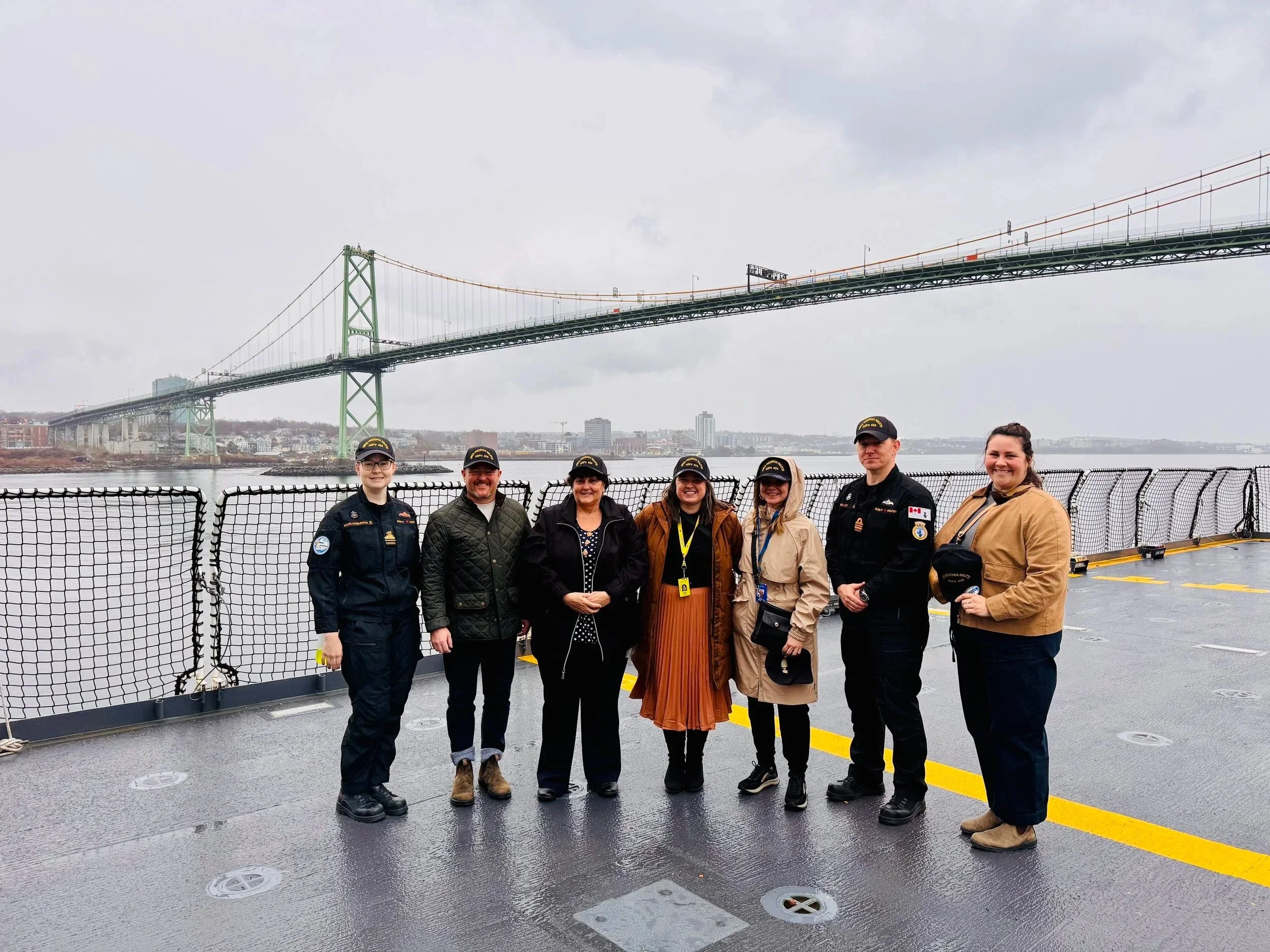
The Spouse Program hits the deck of the HMCS Frederick Rolette
Over the course of a few short days, I met new, fascinating people from around the world, explored the incredible city of Halifax, and had the opportunity to experience the region in a way that felt both intentional and immersive. From standing on the rugged coastline at Peggy’s Cove, to watching master artisans at Peggy’s Cove Glassblowers, to sharing an unforgettable lunch at the local favorite Bicycle Thief, every moment was rooted in place and connection. One of the most memorable highlights was stepping aboard a brand-new Arctic vessel at the naval base—an experience that beautifully tied the destination directly into the mission of the Halifax International Security Forum itself.
And that’s exactly the magic of a well-designed spouse program.
The Quiet Decline—and Why It Deserves a Comeback
Over the last several years, I’ve seen spouse programs quietly dwindle. Budget shifts, virtual attendance, compressed schedules—they all played a role. But being back in the flow of one in Halifax was a powerful reminder of their true value. These programs aren’t just “tourist activities” happening on the sidelines of a conference. When executed thoughtfully, they are strategic extensions of the event experience itself.
They bring humanity into high-level gatherings. They create shared stories. They deepen relationships in ways that ballroom sessions alone simply can’t.
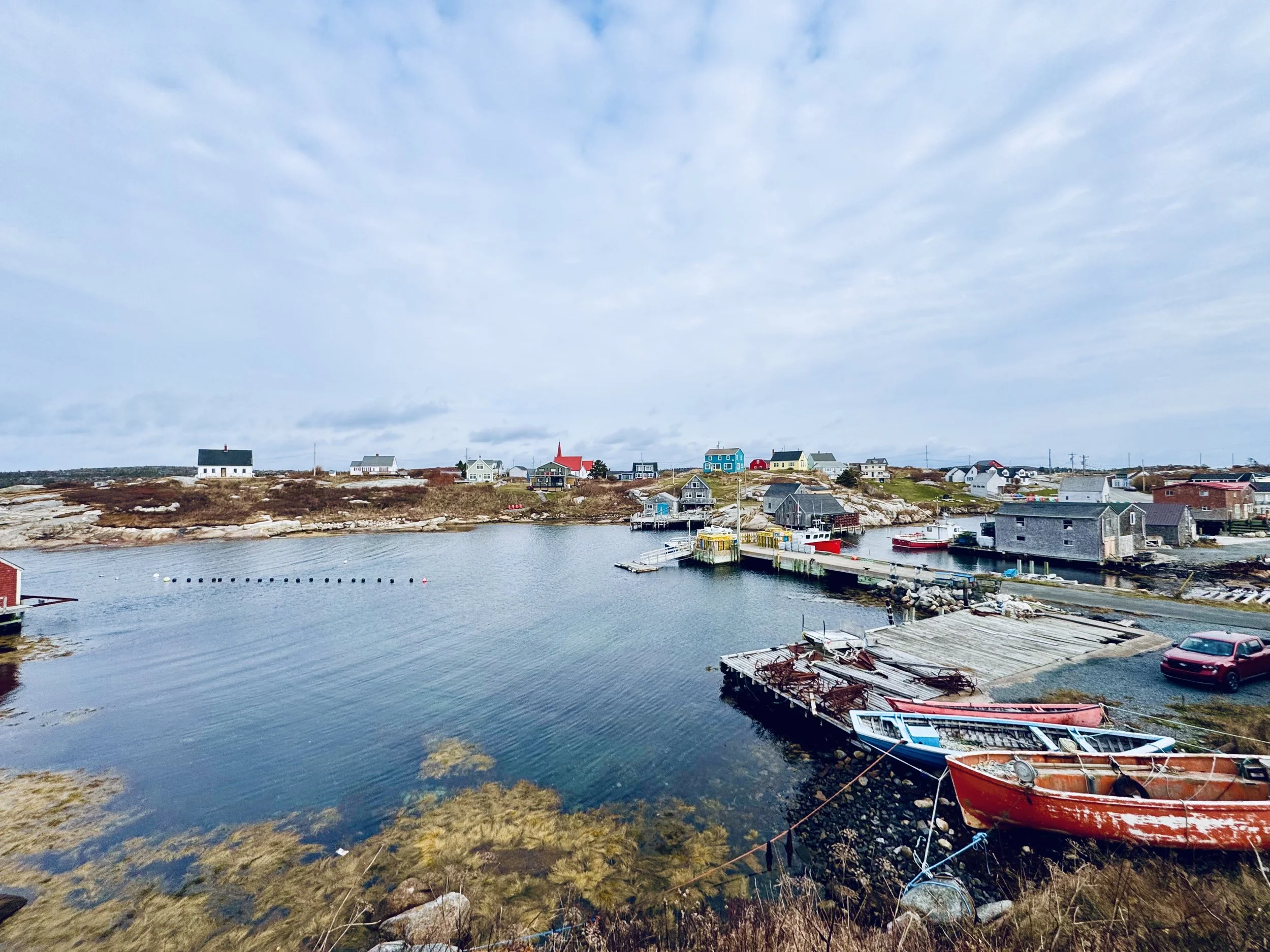
Peggy’s Cove, Halifax, Nova Scotia, Canada
Bringing the Conference Into the Place
One of the most impactful elements of the Halifax program was how seamlessly local experiences were woven into the larger narrative of the Forum. This wasn’t sightseeing for sightseeing’s sake—it was purposeful.
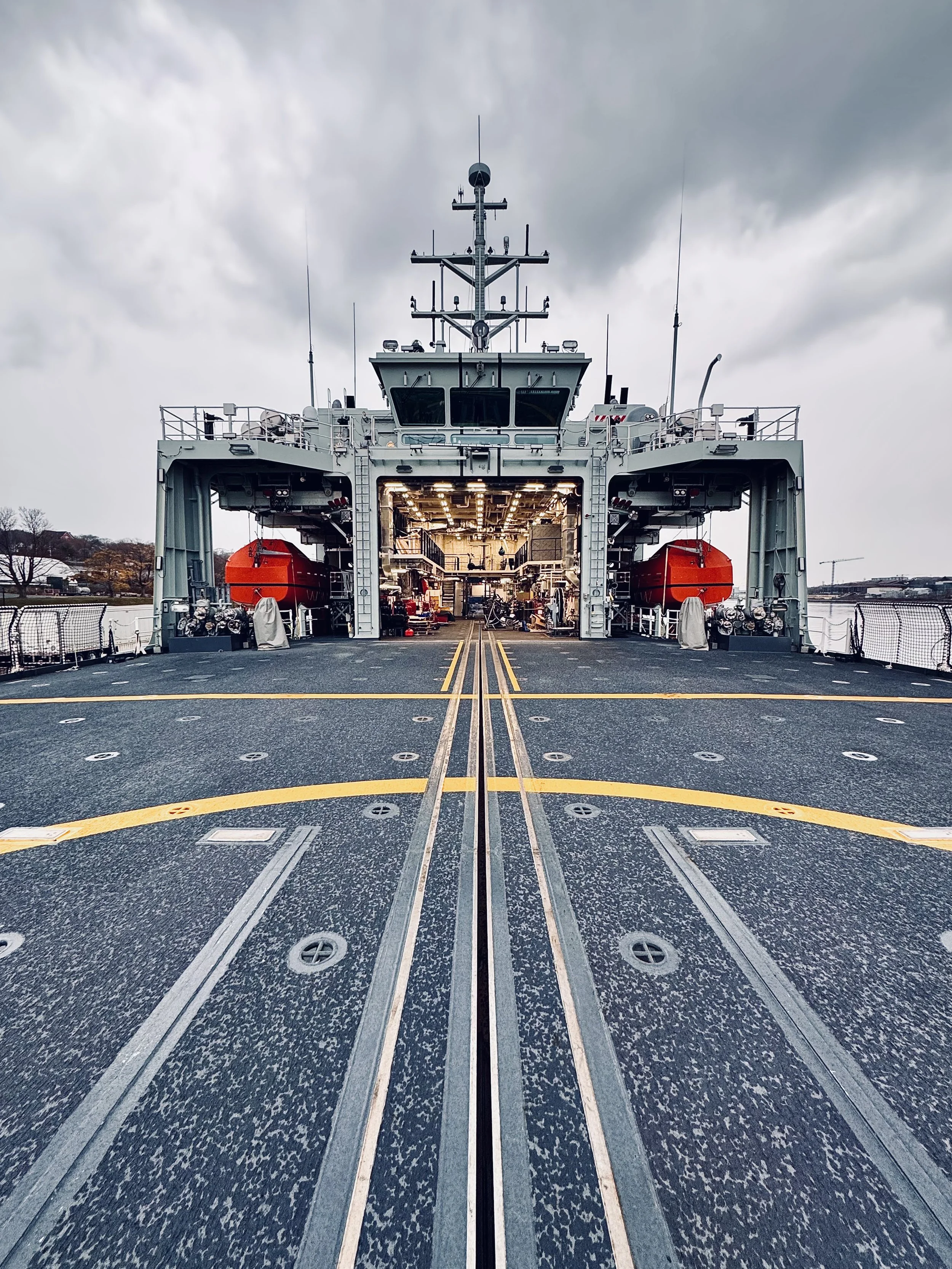
HMCS Frederick Rolette
Getting close to the naval base and touring a new Arctic vessel directly tied into the global defense, security, and geopolitical conversations happening inside the conference halls. The destination didn’t just host the event; it became part of the content. That kind of place-based programming elevated the entire experience and created a much stronger emotional connection to both the conference and the host city.
Cross-Stream Networking That Actually Works
Spouse programs create a different kind of networking—one that’s organic, disarming, and deeply human. Over shared meals, bus rides, and coastal walks, spouses and families meet each other outside of titles and job descriptions. They build rapport through shared experiences and discovery.
What makes this especially powerful is that those conversations and relationships don’t stay within the spouse group. They travel back to the participants. Connections deepen. Perspectives broaden. Community strengthens across multiple layers of the event.
This cross-stream networking is something traditional conference programming simply can’t replicate.
A Platform for Co-Created Content
Another incredible aspect of these programs is the opportunity for co-creation. Long-time participants, returning spouses, local partners, and organizers all bring unique insight into what makes a destination special and what resonates most with attendees. That collaborative approach leads to richer programming, more authentic experiences, and a sense of collective ownership.
Spouse programs become living, breathing extensions of the event brand—shaped by the people who experience them year after year.
Sponsorable, Sustainable, and Smart
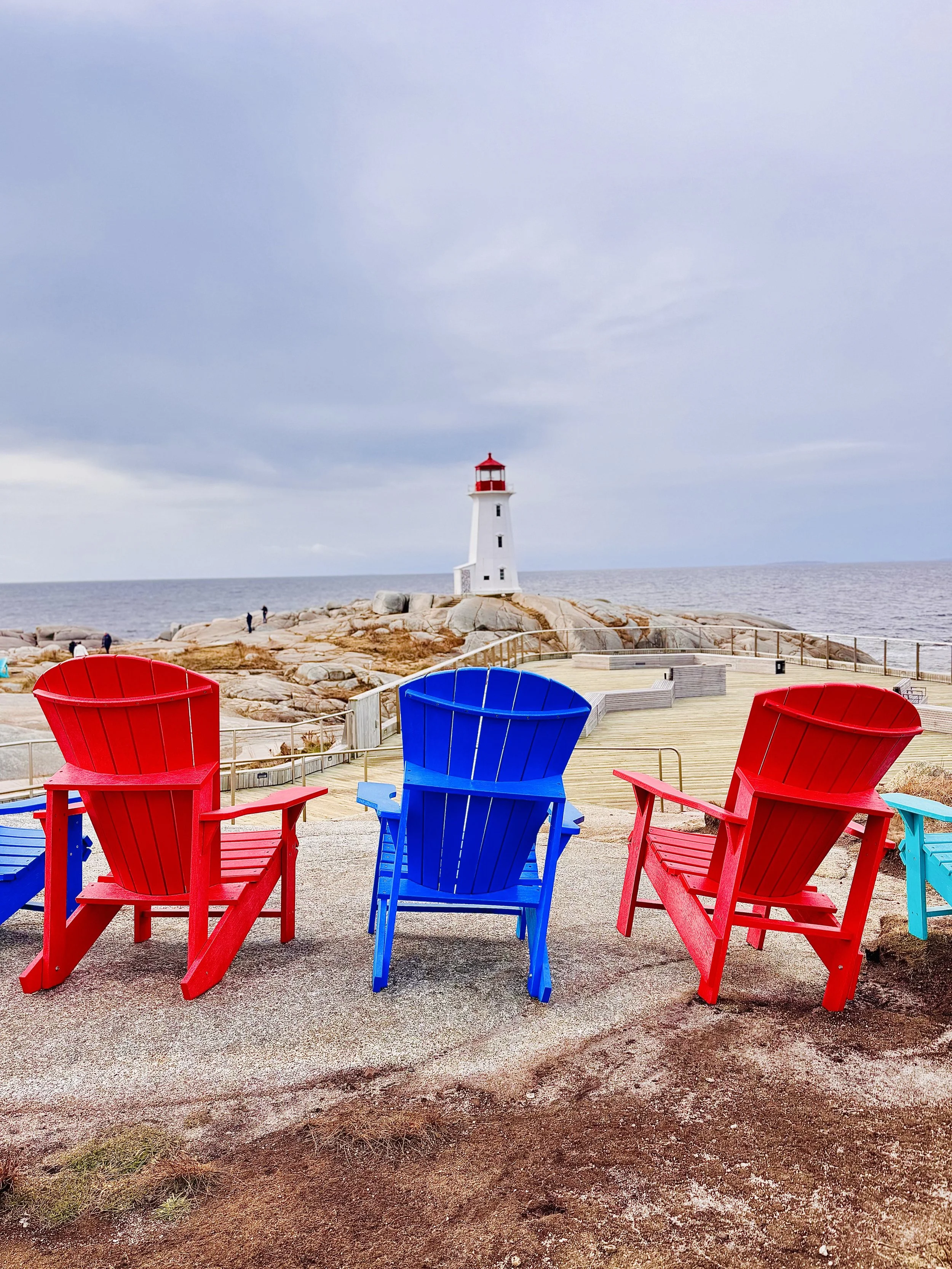
Sou’Wester Gift & Restaurant Company Ltd. and Peggy’s Cove Lighthouse
From a production and business perspective, spouse programs also open the door to meaningful sponsorship opportunities. Local brands, tourism boards, transportation providers, cultural institutions, and restaurants are often eager to be part of curated, premium experiences tied to high-level international gatherings.
Sponsorship doesn’t just provide funding—it can elevate the program itself. Thoughtfully integrated partnerships allow for upgraded experiences while offering sponsors authentic brand exposure within an intimate and highly engaged audience.
It’s a different revenue stream, and one that can be built in a way that feels additive rather than transactional.
Building Local Partnerships with Purpose
One of the most rewarding parts of working on a spouse program is seeing local partnerships come to life. Tour guides, artisans, shop owners, chefs, and cultural institutions aren’t just vendors—they become storytellers for their city.
In Halifax, every stop felt intentional and personal. Those partnerships don’t just strengthen the spouse program; they leave a lasting economic and relational impact on the host community. And that’s something we strive for in every destination we touch at Stratus—events that give back as much as they take.
Making Conferences More Human
At the heart of it all, spouse programs make conferences more human. They turn work travel into shared experiences. They encourage participants to bring their partners, families, and support systems into a world that’s typically closed off to them. And in some cases, sponsorships can even help offset travel costs, making these opportunities more accessible.
When families feel included, supported, and engaged, the entire conference ecosystem becomes stronger.
A Personal Takeaway
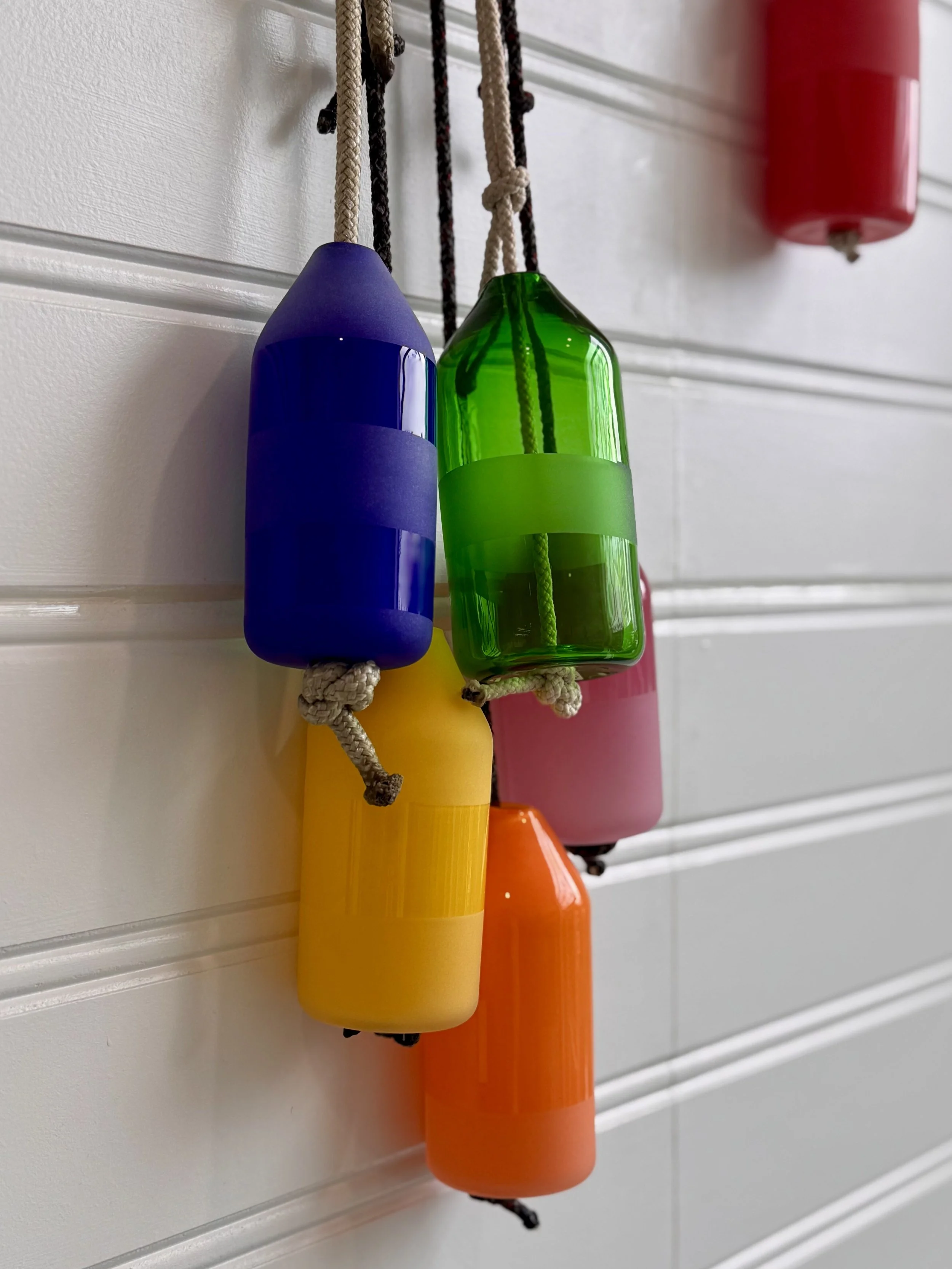
Blown glass at Peggy’s Cove Glassblowers
Supporting the Spouse Tour Program at the Halifax International Security Forum reminded me why I love this work. It’s easy to focus on stages, schedules, and logistics—but moments like standing on the rocks at Peggy’s Cove or watching glass glow in a furnace bring everything back to the people.
Spouse programs create space for connection, curiosity, and community. They extend the reach of a conference beyond its sessions. And most importantly, they create memories that last long after the final keynote ends.
As we continue to design experiences at Stratus, I hope we keep finding ways to reimagine and reinvest in these programs. Because when done right, they don’t just complement a conference—they elevate it.