
How Political Events Shape Public Perception Through Production

Political events are not just moments of policy or pageantry—they are productions, carefully choreographed to communicate power, unity, and trust. From podium placement to lighting angles, every decision shapes how leaders are perceived and how messages are received.
In an age when every event is captured, streamed, and analyzed in real time, production equals perception. The success of a political gathering, gala, or summit depends as much on how it looks and feels as on what is said. Behind every powerful speech, handshake, or camera pan lies an intentional blend of design, logistics, and storytelling that turns policy moments into public theater.
At Stratus Firm, we’ve seen this dynamic firsthand—producing political and diplomatic events that require the highest levels of precision, protocol, and creative control. Whether welcoming the President and Vice President to the Congressional Black Caucus Foundation’s Phoenix Awards or executing a high-security international reception, our team understands that production design shapes credibility and builds public trust.
Let’s explore how political event production influences perception—and why every detail, seen or unseen, matters.
Why Production Matters in Political Events
Every political event—be it a campaign rally, policy summit, or state gala—serves a dual purpose: to inform and to influence.
Voters and constituents form impressions not only from what leaders say but from how the event around them is executed. A poorly lit stage, awkward flow, or uncoordinated backdrop can distract from even the most powerful message. On the other hand, a well-produced event reinforces authority, confidence, and clarity of purpose.
Perception is Power
A confident stage setup communicates readiness and control.
Seamless flow signals organization and competence.
A compelling visual environment amplifies emotion and resonance.
When production falls short—missed cues, clumsy staging, or visible technical issues—the message suffers. Audiences subconsciously connect production quality with leadership quality. For political figures, that connection is everything.
Political production is therefore not just logistics—it’s strategy. It transforms a speech into a moment, a gathering into a statement, and a leader into a symbol of capability.
The Power of Staging and Visual Design
The visuals of a political event are its most immediate form of communication. Long before a word is spoken, the stage has already told a story.
Staging as Symbolism
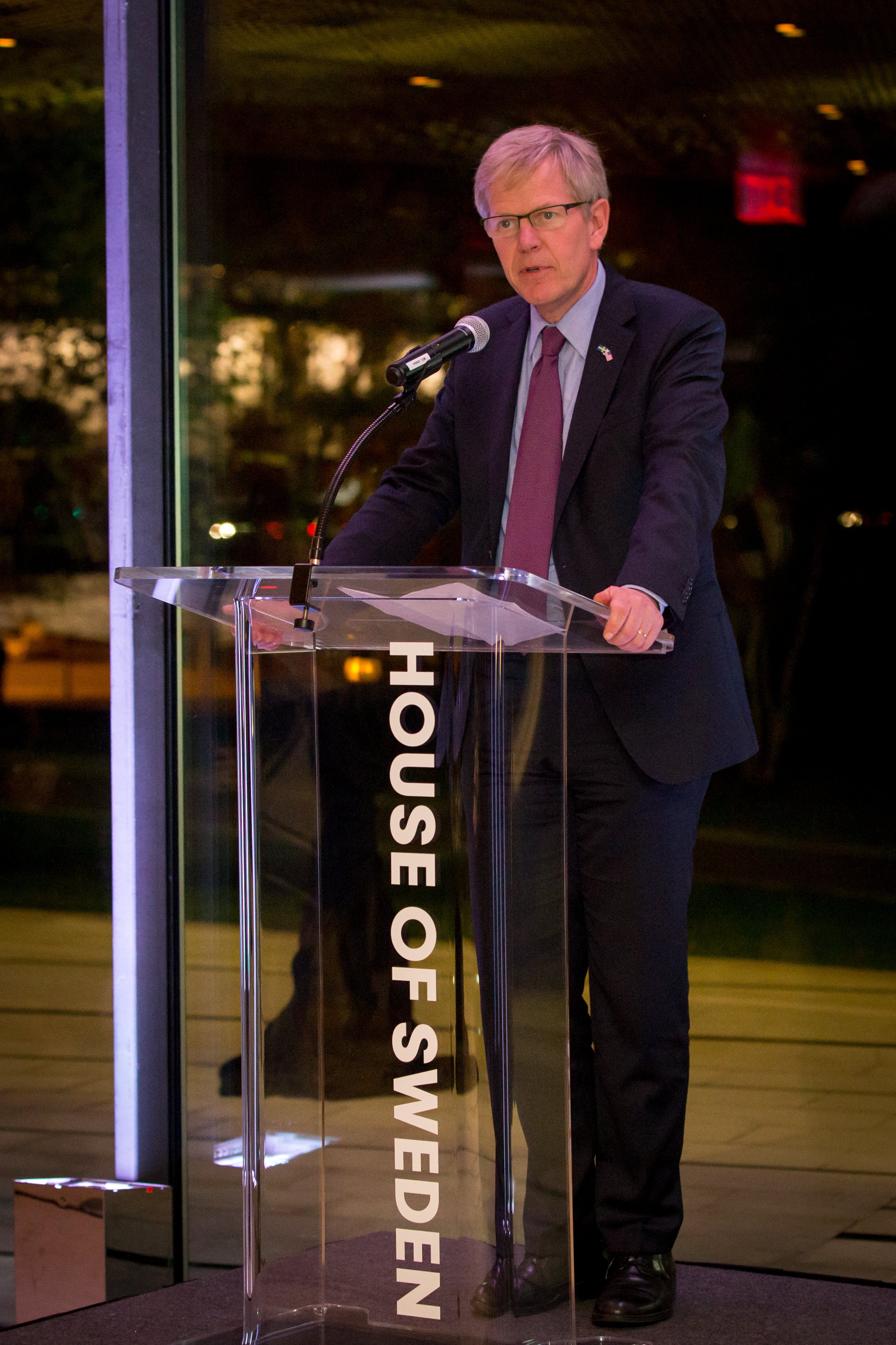
Podium placement, backdrop color, and lighting choices are not aesthetic coincidences—they are intentional tools that convey hierarchy and emotion.
Podium height and distance establish intimacy or authority.
Backdrop design—flags, drapery, or projection screens—frames the leader within a visual narrative.
Lighting directs focus, highlighting speakers or creating energy for crowd engagement.
Even small choices—like how close the audience stands, how flags are arranged, or where cameras are positioned—can shape emotional impact.
Color as Messaging
Color psychology is an essential part of political design.
For example:
Blue conveys stability and trust.
Red evokes passion and urgency.
White or neutral palettes signal transparency and neutrality.
Presidential addresses, for instance, often employ backdrops of symmetry and national imagery to project unity and leadership. Political galas may favor warmer tones and architectural lighting that evoke optimism and progress.
At Stratus, we approach political staging with both creativity and restraint. The goal is not spectacle—it’s substance expressed through design. Every element should enhance the message, not compete with it.
Balancing Optics, Messaging, and Authenticity
Optics are everything in modern politics—but authenticity is what sustains credibility. In a world saturated with curated content, audiences instinctively detect when something feels overly manufactured.
The Challenge of Authenticity
Overproduction can make leaders appear disconnected. Undermanagement, on the other hand, risks chaos and diminishes perceived competence. The balance lies in creating an environment that feels real, while being meticulously designed for control.
For example:
A grassroots town hall might use minimalist staging and community seating to communicate accessibility.
A policy summit may opt for sleek LED walls and structured lighting to reflect professionalism and authority.
A diplomatic reception might blend cultural symbolism with modern design to demonstrate respect and unity.
Each format requires its own equilibrium between optics and authenticity.
Message and Medium Must Align
If the message is about transparency, the production design should be open and bright. If it’s about leadership during crisis, tighter staging and somber lighting may reinforce gravity.
In every case, design must serve the message—not overshadow it.
Managing Media, Broadcast, and Public Access
In the age of 24-hour news cycles and livestreams, political events are produced for two audiences simultaneously: those in the room and those watching through a lens.
Designing for Cameras
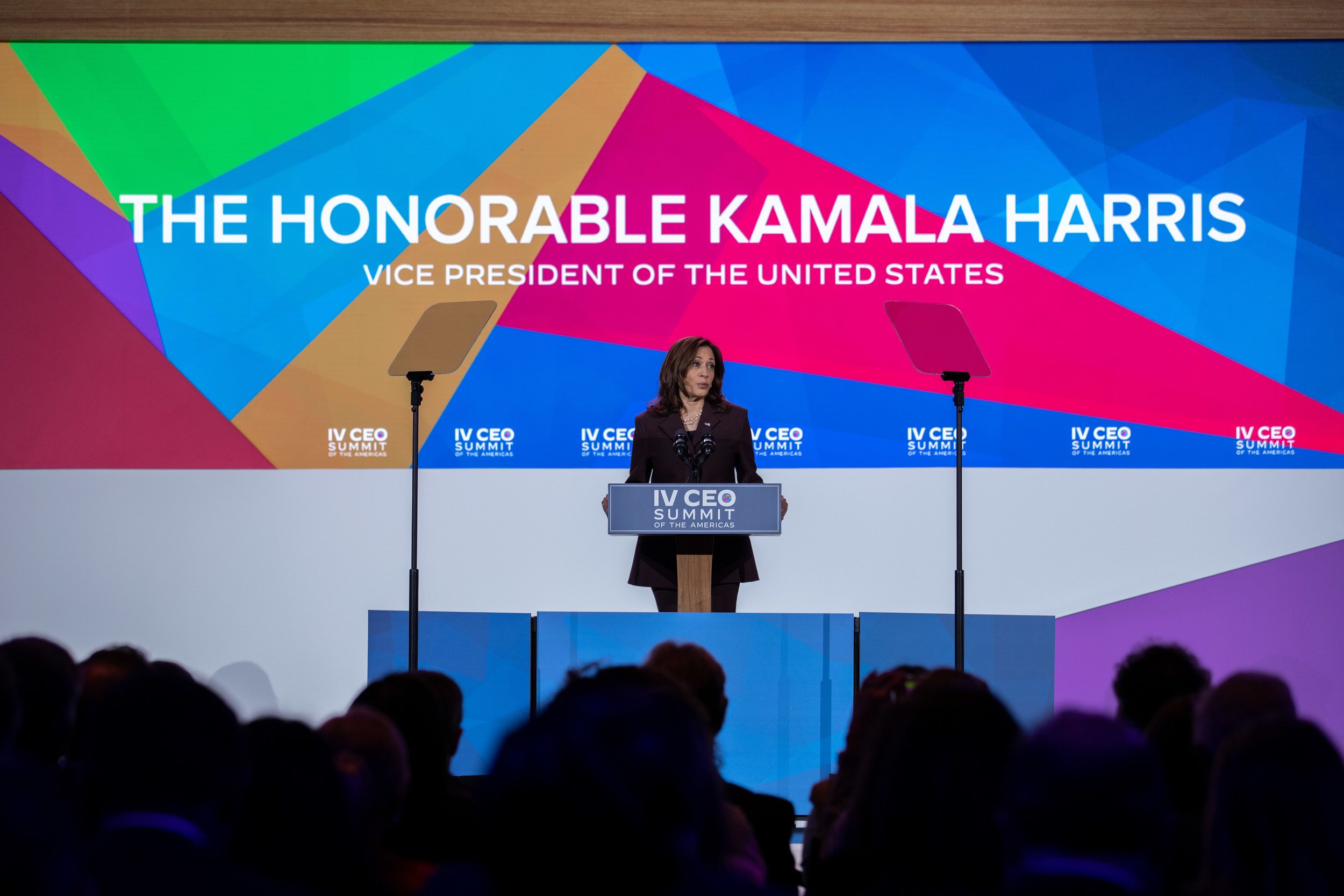
Camera angles, riser placement, and lighting intensity must all anticipate how the event will appear on screen. Production teams work closely with broadcast crews to ensure:
Clean, centered shots of speakers and backdrops.
Crowd framing that communicates enthusiasm and diversity.
Branding that’s visible but not distracting.
Live-streamed events, in particular, demand flexibility. A well-lit room may not always translate effectively to video, and vice versa. Skilled producers balance both worlds, ensuring in-person impact and digital clarity.
Media Coordination and Access Control
Press logistics are a production category of their own. Credentialing, camera positions, and power access must be organized down to the minute. Meanwhile, communication teams coordinate embargoes, talking points, and social media assets for controlled message delivery.
Even minor slip-ups—unintended crowd shots, unclear signage, or blocked teleprompters—can shift focus and generate unwanted narratives.
The Rise of Digital Amplification
Today, event production is inseparable from digital strategy. Moments designed for social sharing—like striking stage reveals or emotional crowd interactions—extend a political event’s life beyond the room. Smart producers craft “shareable optics” that reinforce the intended story across platforms.
Security and Logistics as Part of Perception
Security and logistics may seem invisible to audiences, but they’re deeply intertwined with perception. A well-coordinated, safe environment communicates competence and professionalism—while visible disorganization can undermine credibility in seconds.
Layered Security That Feels Seamless
For high-profile political events—especially those involving heads of state, ambassadors, or executives—security coordination requires months of planning.
Producers must balance safety and hospitality: guests should feel protected, not constrained. The key is designing flow and timing so security measures operate smoothly behind the scenes.
Logistics as a Reflection of Leadership
Simple logistics—parking, registration, seating—carry symbolic weight. An orderly check-in process or a punctual start time subtly reinforces trust in the host organization.
At the CBCF Phoenix Awards, for instance, Stratus coordinated with Secret Service, local law enforcement, and venue security to manage more than 4,000 guests, including the President and Vice President. Every movement—from motorcade arrival to program pacing—was orchestrated for safety.
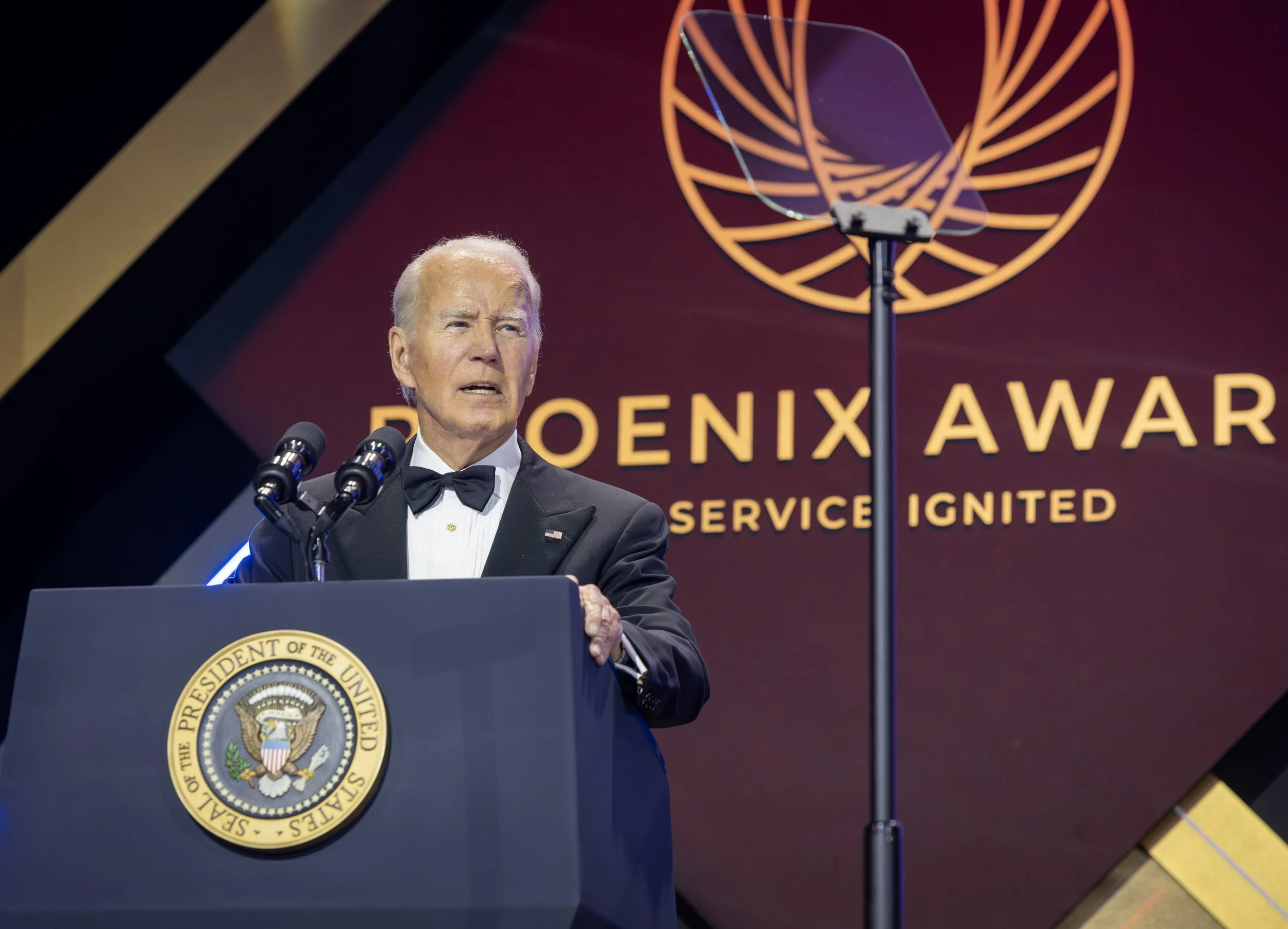
The result? An event that projected confidence, unity, and purpose—all without drawing attention to the layers of complexity beneath it.
Case Studies: Political Events That Defined Narratives
The CBCF Phoenix Awards — A Night of Power and Precision
When the Congressional Black Caucus Foundation hosts its annual Phoenix Awards, the event transcends ceremony. It becomes a national moment—one that honors legacy, leadership, and progress.
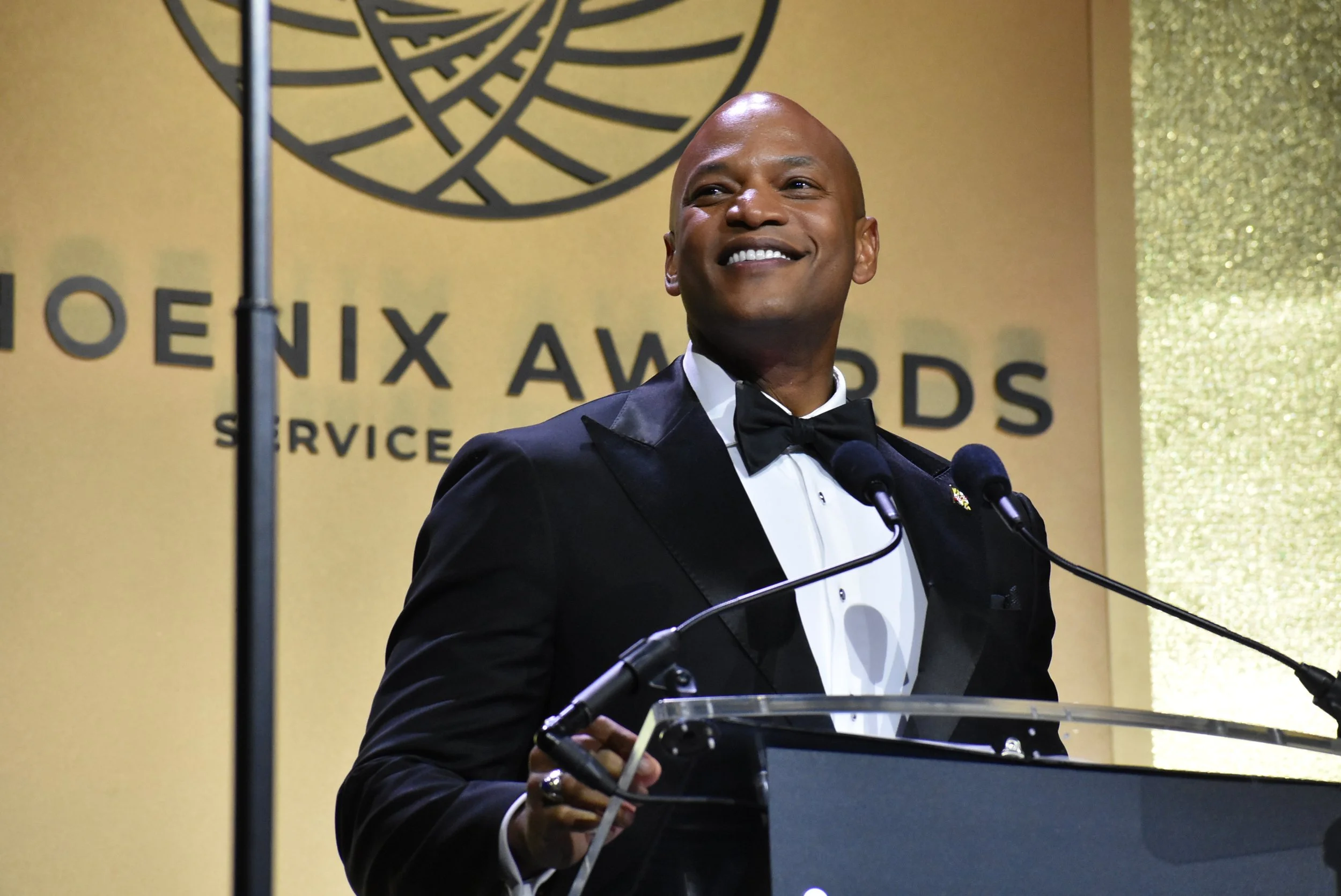
Stratus Firm served as a key production partner, managing security coordination, stage design, and narrative flow for one of Washington, D.C.’s most prestigious evenings. Balancing presidential-level protocol with emotional storytelling required precision and artistry.
The design featured rich lighting, dynamic projection, and architectural scenic elements that visually represented progress and unity. Every frame—whether captured on camera or experienced live—reinforced dignity and purpose.
Campaign Rallies — The Theater of Momentum
Campaign rallies are lessons in emotional design. They rely on scale, energy, and crowd dynamics to communicate momentum. The staging of a podium against a sea of supporters, the placement of banners, and even the rhythm of walk-on music create emotional signals for both attendees and media audiences.
A well-produced rally can project inevitability; a poorly executed one can invite skepticism. The choreography of lighting, timing, and crowd interaction transforms logistics into persuasion.
Diplomatic Receptions — The Language of Protocol and Culture
Diplomatic events blend aesthetics and etiquette. Everything—from flag placement and translation booths to menu design and entertainment—reflects cross-cultural respect.
For example, when embassies host national day receptions or bilateral meetings, the event must express both pride and diplomacy. In these moments, production is international relations made visible.
The most effective events are those where every detail honors both the host’s identity and the guest’s dignity—reinforcing mutual respect through design, tone, and timing.
Lessons for Political Producers and Organizers
1. Production is Communication
Every production decision sends a message. Treat staging, lighting, and logistics as extensions of your communications strategy.
2. Align Optics with Intent
Ensure visuals reflect the tone and purpose of the event. Avoid dissonance between message and design—for instance, minimalist visuals for a populist message or lavish aesthetics for a reform agenda.
3. Anticipate Perception from Every Angle
Think like a camera, a journalist, and a guest. How will the space read in photos? What emotions will it evoke? What stories will it tell subconsciously?
4. Plan for the Unexpected
Contingency planning is part of reputation management. Have backup lighting, flexible seating, and alternate scripts ready to pivot quickly.
5. Choose Experienced Partners
Political events operate under immense pressure and scrutiny. Producers familiar with government, diplomatic, and high-security environments bring the calm and control needed to protect your brand and your message.
Production as a Tool of Public Trust
At their core, political and diplomatic events are about influence through experience. They create the moments where words, visuals, and logistics converge to build—or break—public trust.
When production aligns with message, audiences don’t just hear what leaders say—they believe it. The event becomes an embodiment of values: order, integrity, empathy, and vision.
But when production falters—poor lighting, disorganized flow, technical failures—the opposite occurs. Credibility erodes, and the message is overshadowed by distraction.
That’s why expert production isn’t cosmetic—it’s strategic infrastructure for communication.
At Stratus Firm, we specialize in high-stakes political and diplomatic events where every cue, sightline, and second matters. From gala dinners with dignitaries to international policy summits, our team brings precision, creativity, and composure to moments that shape national narratives.
Because when it comes to political event production, details don’t just matter—they define perception.
Download our deck to learn more about our capabilities and how we can partner with you to build a powerful political event.
Frequently Asked Questions
-
Production quality directly influences credibility. Audiences subconsciously associate seamless execution, strong visuals, and clear flow with leadership competence and trustworthiness. In political settings — where every moment is observed, recorded, and analyzed—poor lighting, awkward staging, or visible disorganization can distract from the message and undermine confidence in the speaker or institution.
-
Staging and design are forms of nonverbal communication. Podium placement, backdrop symmetry, lighting tone, and color palettes all signal authority, accessibility, unity, or urgency. These elements shape emotional response before a single word is spoken, framing how audiences interpret the message and the messenger—both in the room and through broadcast media.
-
Authenticity comes from alignment. Effective political production avoids over-stylization while still maintaining control. The goal is to design environments that feel natural and credible for the context — whether that’s a grassroots town hall, a policy summit, or a diplomatic reception. When production supports the message instead of overpowering it, audiences perceive sincerity rather than orchestration.
-
Media is no longer secondary — it’s a primary audience. Political events must be designed simultaneously for live guests and cameras. This means anticipating camera angles, lighting for broadcast, crowd framing, and sightlines, while coordinating press access and messaging. Well-produced visuals ensure the intended narrative carries through livestreams, news coverage, and social media without distortion.
-
At Stratus Firm, political production is treated as a strategic communication infrastructure. Our team integrates staging, security coordination, protocol, and storytelling to ensure every detail reinforces credibility and intent. From presidential-level galas to international diplomatic receptions, we focus on precision, restraint, and calm execution—so the message, not the mechanics, takes center stage.