
Global Perspective: Key Considerations for Planning International Events
Planning events across borders isn’t just a matter of scaling up logistics—it’s about understanding and respecting the diverse worlds your guests come from. International events blend strategy, diplomacy, creativity, and precision. From visa coordination and customs clearances to cultural etiquette and time zone management, every layer adds complexity—and opportunity.
At Stratus Firm, we’ve helped organizations navigate this terrain firsthand. From global cybersecurity summits to WorldPride 2025 collaborations and international policy gatherings, our experience has shown that successful global events require a balance of local insight and global vision.
Here’s your complete guide to planning international events that are logistically sound, culturally sensitive, and globally impactful.
Why International Events Require Special Planning
Hosting events abroad offers unmatched potential—new audiences, global exposure, and lasting connections. But the challenges are equally significant.
International events require a higher level of coordination than domestic gatherings because they involve multiple systems—legal, logistical, and cultural—working in harmony.
The Complexity Multiplies
Multiple jurisdictions: Every country has its own rules for permits, visas, and contracts.
Cultural diversity: Expectations around hospitality, communication, and protocol differ widely.
Global logistics: Time zones, shipping routes, and international security all demand foresight.
The Stakes Are Higher
When operating internationally, your event becomes a representation of your organization’s global credibility. A single oversight—like a delayed shipment, mistranslated message, or overlooked custom—can have diplomatic or reputational consequences.
Yet, when done well, international events build bridges between audiences and nations, amplifying brand visibility and trust worldwide.
Navigating Logistics: Travel, Shipping, and Time Zones
1. Travel and Visas
International events often hinge on the smooth movement of people.
Start visa coordination early, especially for countries with complex entry processes.
Provide invitation letters and detailed itineraries to expedite approvals.
Create a dedicated travel desk or partner with a global travel management firm to assist attendees.
2. Shipping and Customs
Transporting production materials across borders can be one of the trickiest aspects of global event planning.
Factor in customs clearance times, tariffs, and temporary import/export regulations.
For high-value or time-sensitive equipment, work with a freight forwarder specializing in event logistics.
Always have a local contingency plan—whether renting A/V gear locally or pre-staging backup equipment.
3. Time Zones and Scheduling
A truly global audience means no single “ideal” start time.
Use scheduling software to visualize global time differences and identify overlap windows.
For hybrid or virtual components, record sessions and make them available on-demand.
Rotate schedules if hosting recurring international events to accommodate various regions equitably.
When managed well, logistics become invisible—but when neglected, they dominate the narrative.
Understanding Cultural Sensitivity and Local Customs
1. Respecting Cultural Nuance
Cultural intelligence is the foundation of global event success. Missteps in etiquette, symbols, or even color choices can unintentionally alienate attendees.
Research local customs for greetings, attire, gestures, and formalities.
Understand holidays, religious observances, and national days to avoid scheduling conflicts.
Adapt culinary offerings to reflect local tastes and dietary restrictions (e.g., halal, kosher, vegetarian).
2. Language and Communication
Offer multilingual translation and interpretation services, especially for conferences.
Translate signage, programs, and event apps to ensure inclusivity.
Avoid idioms or region-specific references that may not resonate universally.
3. Designing for Cultural Connection
Incorporate local art, music, and design elements into your event’s creative direction. Doing so builds goodwill and celebrates diversity.
Cultural sensitivity isn’t a formality—it’s a strategic advantage that demonstrates empathy and global citizenship.
Legal, Compliance, and Contractual Considerations
1. Contracting Across Borders
Legal frameworks differ widely between countries. Be mindful of:
Jurisdiction: Where disputes will be resolved.
Currency and taxation: Exchange rates and international transaction fees.
Liability clauses and insurance requirements: Ensure global coverage for your team and vendors.
2. Health and Safety Regulations
Every country maintains distinct standards for event safety, crowd management, and emergency protocols.
Confirm venue compliance with local safety codes.
Engage with local authorities early for security coordination.
Build risk assessments specific to the destination, including natural disasters or political sensitivities.
3. Intellectual Property and Media Rights
If recording or broadcasting, ensure permissions are secured in each jurisdiction. Data protection laws, like the GDPR in Europe, may influence how you collect and store attendee information.
Partnering with local legal counsel ensures contracts, taxes, and compliance measures hold up under international scrutiny.
Choosing Venues and Partners Abroad
1. Selecting the Right Venue
Venue selection shapes both logistics and brand perception. Consider:
Accessibility: Proximity to major airports and hotels.
Infrastructure: Power capacity, connectivity, A/V compatibility.
Reputation: Does the venue align with your organization’s image and values?
When hosting summits or diplomatic events, look for spaces that blend prestige and security, such as convention centers near embassies or high-end hotels with international event experience.
2. Partnering with Local Experts
Local expertise can make or break an international event.
Collaborate with Destination Management Companies (DMCs) for regional insights and vendor access.
Hire local production partners who understand the nuances of the region’s technical standards and labor laws.
Work with bilingual project managers who can bridge communication gaps between your home team and local partners.
3. Vetting Global Vendors
Always vet partners thoroughly:
Request references, licenses, and insurance certificates.
Conduct virtual site visits or engage third-party inspectors for quality assurance.
Align them with your brand standards—consistency across continents reinforces credibility.
Global partnerships thrive when built on transparency and trust.
Leveraging Technology for Global Engagement
In today’s interconnected world, technology is the great equalizer—allowing you to engage audiences across borders in real time.
1. Hybrid Event Solutions
Hybrid formats combine physical and digital engagement, extending your event’s reach.
Use streaming platforms with reliable bandwidth and multi-language captioning.
Offer virtual networking lounges where in-person and remote attendees can connect.
Record sessions for post-event access, expanding the lifespan of your content.
2. Translation and Accessibility Tech
Deploy real-time translation tools for global inclusivity.
Implement closed captioning and audio description services for accessibility.
Use AI-powered chatbots to answer attendee questions in multiple languages.
3. Global Collaboration Tools
Utilize shared planning dashboards for multinational teams.
Adopt event apps that synchronize across time zones and update in real time.
Rely on data analytics to measure engagement by region, demographic, and participation level.
At Stratus, we integrate advanced hybrid production methods into international convenings, ensuring that physical and virtual experiences feel cohesive and connected.
Case Studies: International Events Done Right
1. WorldPride 2025 Collaborations
As part of the WorldPride 2025 planning network, Stratus contributed to international coordination efforts connecting cities, embassies, and community organizations worldwide.
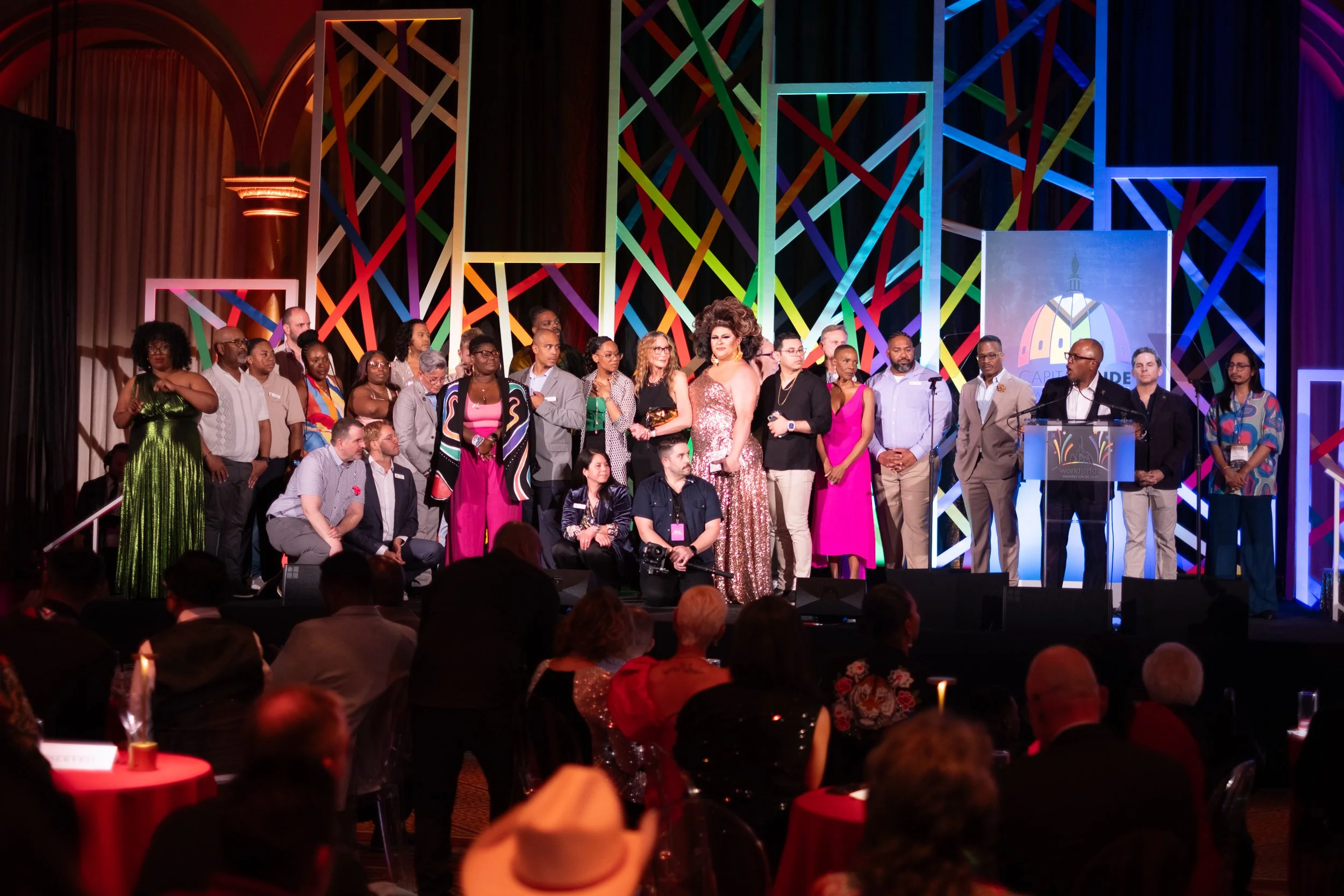
Challenge: Managing cultural diversity and sensitivities while maintaining inclusivity.
Solution: Creative direction rooted in celebration and diplomacy, honoring both global and local LGBTQ+ communities.
Result: A globally unified message of pride, inclusion, and cultural understanding.
2. Halifax Security Forum
A premier gathering of international defense and security leaders, the Halifax Security Forum required advanced logistics, bilingual production, and diplomatic coordination.
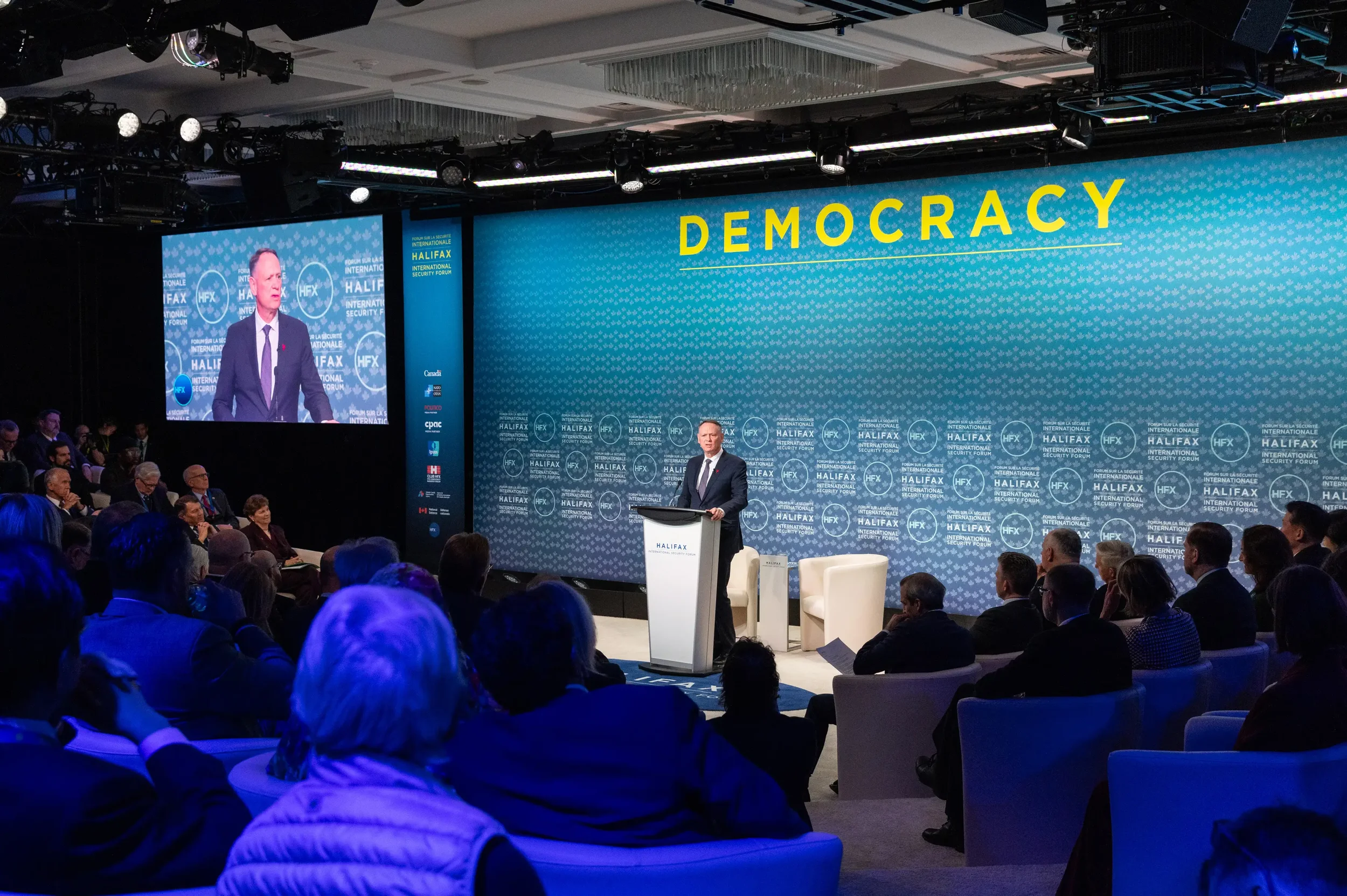
Challenge: Hosting global delegations with unique security and communication needs.
Solution: End-to-end production management with secure translation, VIP handling, and global broadcast integration.
Result: An event known for operational precision and global influence.
Each of these examples underscores the same principle: when planning international events, expertise in logistics is matched only by the need for cultural fluency.
Turning Global Challenges Into Opportunities
International event planning is complex—but with the right approach, complexity becomes a catalyst for connection.
The Formula for Global Success
Plan early and redundantly: Build in time for customs, visas, and local approvals.
Think globally, act locally: Balance global brand identity with cultural authenticity.
Partner with experts: Work with production partners who understand international frameworks and expectations.
Prioritize communication: Over-communicate across languages, time zones, and teams.
Use technology intentionally: Bridge distances without losing human touch.
Every border crossed is a new opportunity to build understanding and amplify your impact.
At Stratus Firm, we turn global complexity into creative possibility. Our team manages every detail—from international logistics to cultural integration—so your event delivers seamless execution and worldwide resonance.
Let’s create something extraordinary
-
International events involve navigating multiple legal systems, cultural norms, languages, and logistical frameworks at once. From visa requirements and customs regulations to time zone coordination and local protocols, each layer adds complexity. Success depends on early planning, redundancy, and a deep understanding of both global strategy and local execution.
-
International events should begin planning significantly earlier than domestic ones — often 9–18 months out, depending on scale and location. Early timelines allow for visa coordination, contract negotiations across jurisdictions, shipping and customs planning, and alignment with local partners. Starting early reduces risk and preserves flexibility when challenges arise.
-
Cultural sensitivity directly impacts guest experience, trust, and reputation. Seemingly small details — such as greetings, attire, food choices, or symbolism — can carry deep meaning across cultures. Thoughtful planning that respects local customs, language, and traditions demonstrates empathy and global credibility, turning cultural diversity into a strategic advantage rather than a risk.
-
Effective international logistics relies on specialization and contingency planning. This includes working with freight forwarders experienced in event production, coordinating visas and travel support for attendees, planning backup equipment locally, and building buffer time into schedules. When done well, logistics remain invisible to guests — allowing the experience to feel seamless.
-
At Stratus Firm, international event planning is approached with a global-first mindset and local precision. Our team manages complex logistics, cultural integration, legal considerations, and hybrid production — working closely with local partners and global stakeholders to ensure events are compliant, inclusive, and impactful. The result is an experience that feels both globally resonant and locally authentic.