


Executive summits are not simply meetings; they are strategic convenings where decisions are made, alliances are formed, and innovation takes shape. At this level, every detail communicates something about your organization’s credibility, culture, and capacity for leadership.
Unlike large conferences that aim to educate or entertain broad audiences, executive summits are about influence and results. They bring together a select group of senior leaders, like C-suite executives, policymakers, investors, and thought leaders, for high-value discussions that drive measurable outcomes.
But planning a high-impact executive summit requires more than good logistics. It demands intentionality, precision, and a clear understanding of Return on Investment (ROI).
At Stratus Firm, we specialize in producing summits that deliver both prestige and performance.
Here’s a comprehensive framework to help you plan your next executive summit for maximum ROI.
Why Executive Summits Require a Unique Approach
An executive summit sits at the intersection of strategy, influence, and experience. The scale is smaller, but the stakes are higher. Your attendees are decision-makers whose time is among their most valuable assets, so every moment must deliver relevance, insight, and connection.
The Distinct Nature of Executive Summits
- Audience: Senior executives and thought leaders accustomed to excellence.
- Expectations: Curated, peer-level discussions — not generic content.
- Pacing: Deliberate, with ample time for dialogue and networking.
- Tone: Exclusive yet accessible, strategic yet personal.
Executives don’t measure event success by attendance figures or flashy production; they measure it by quality of conversation, actionable insights, and the relationships they leave with.
The challenge? Designing an event that not only meets those expectations but also strengthens your organization’s reputation as a convener of ideas and leadership.
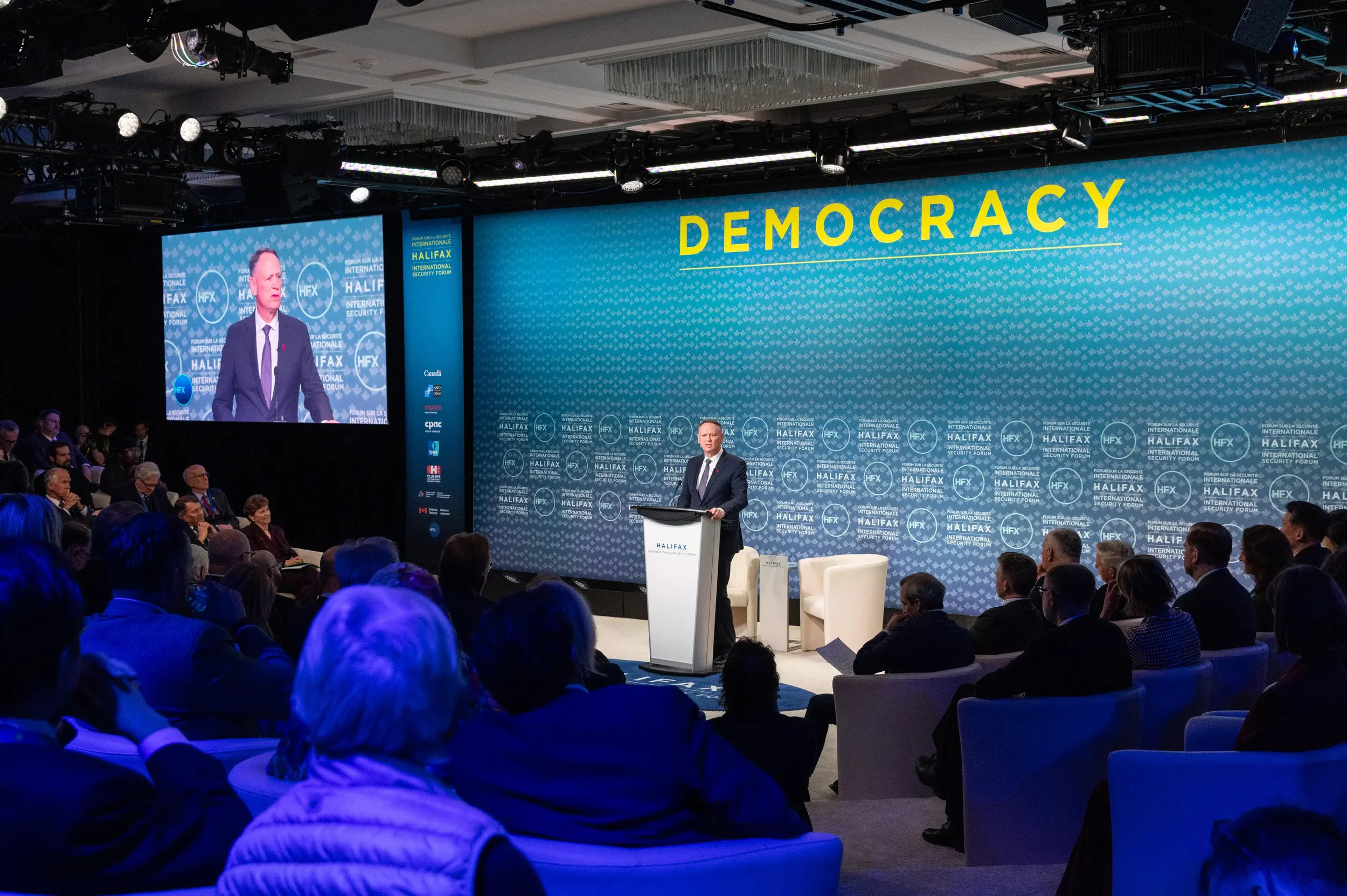
Defining Success: ROI and Strategic Outcomes
ROI in executive summit planning goes far beyond spreadsheets and attendance counts. True ROI reflects the strategic outcomes that emerge from the gathering—partnerships formed, ideas advanced, and influence expanded.
Examples of Executive Summit ROI
- Business Impact: Deals initiated, collaborations launched, or partnerships formalized.
- Thought Leadership: Your organization becomes associated with innovation, insight, or influence in its field.
- Policy or Industry Change: Collective dialogue leads to tangible shifts in regulation, awareness, or practice.
- Internal Alignment: Leadership teams emerge with shared priorities and renewed vision.
Plan ROI from the Start
To maximize outcomes, define success before planning begins:
- What measurable results do you want from this summit?
- How will you track and evaluate them post-event?
- Who needs to be in the room to achieve them?
At Stratus, we treat ROI not as an afterthought but as a design principle shaping everything from content flow to guest curation.
Step 1: Aligning Stakeholders on Purpose and Goals
Every successful summit starts with alignment. Before logistics or design, stakeholders, such as executives, sponsors, board members, and strategic partners, must agree on why this summit exists and what it must achieve.
Define the Purpose
Ask these key questions:
- What strategic challenge or opportunity are we addressing?
- Is the goal thought leadership, relationship-building, deal-making, or policy impact?
- How does this event reinforce our organization’s mission and values?
Choose a Unifying Theme
A clear and compelling theme anchors the summit’s narrative. Whether it’s “Innovation in a Connected World” or “The Future of Responsible Leadership,” the theme should frame every session, speaker, and visual element.
Secure Executive Buy-In
At this level, stakeholder support is non-negotiable. Leaders who are invested in the purpose will champion the event, help recruit peers, and model engagement for others.
Once purpose and goals are aligned, every subsequent decision, from format to follow-up, flows naturally.\
Step 2: Designing an Agenda That Drives Value
The agenda is the backbone of the executive summit experience. It must deliver insight, spark dialogue, and respect the intelligence (and time) of every participant.
Prioritize Quality Over Quantity
Executives prefer fewer, more meaningful sessions. Replace long panels with intimate roundtables, fireside chats, and small-group dialogues that encourage honest exchange.
Craft Content for Decision-Makers
Design programming that solves real challenges and drives action:
- Closed-door sessions for candid policy or business discussions.
- Expert-led case studies highlighting innovation and lessons learned.
- Workshops focused on co-creating solutions, not just sharing information.
Build in White Space
Top leaders value time for reflection and connection as much as structured content. Build deliberate pauses, like networking breaks, offsite dinners, or wellness moments, to allow organic conversation and creative thought.
Curate Moderators and Facilitators
A skilled moderator elevates the conversation. They keep sessions focused, draw out diverse perspectives, and ensure that high-level discussions remain dynamic and relevant.
At Stratus, we design agendas like story arcs, with clear beginnings, emotional peaks, and purposeful conclusions, so each moment contributes to the event’s larger impact.
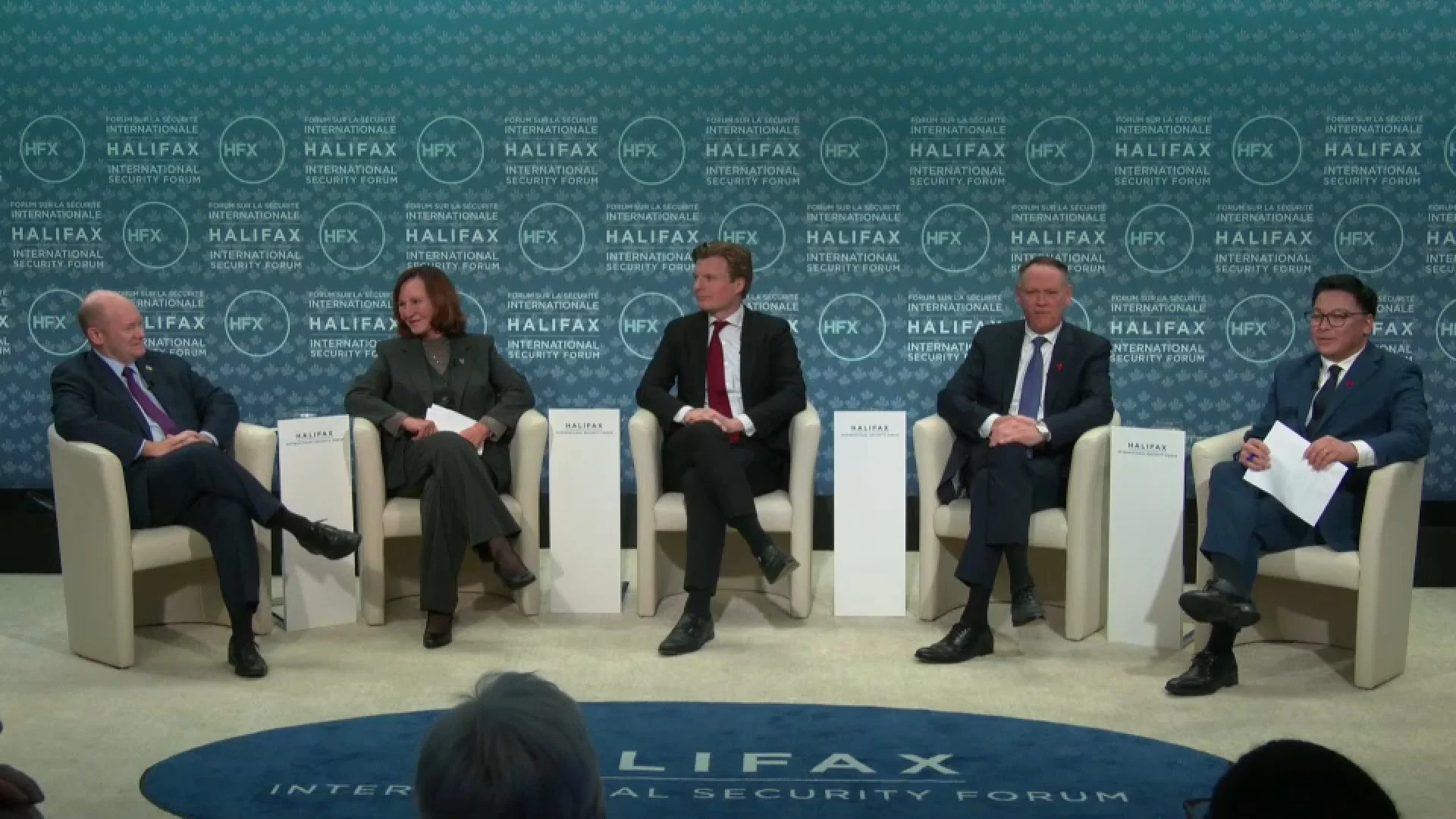
Step 3: Creating Premium, Executive-Level Experiences
When hosting top executives, every interaction must reflect excellence, discretion, and intentionality. The environment should make guests feel valued, not just impressed.
Hospitality as Strategy
Think concierge-level service:
- Personalized itineraries, curated amenities, and effortless logistics.
- Dedicated hosts or liaisons who anticipate needs.
- Seamless registration and private transfers.
These touches communicate respect for executives’ time and reinforce your brand’s sophistication.
Curate the Guest List
Exclusivity drives prestige. Invite participants strategically to ensure a balance of perspectives and influence. The right mix of leaders fosters authentic dialogue and high-value networking.
Design for Connection
Beyond content, executives attend summits for relationships. Create meaningful networking opportunities through shared experiences—intimate dinners, curated excursions, or breakout discussions centered on shared challenges.
Privacy and Discretion
For high-profile guests, privacy is paramount. Secure access points, NDAs, and off-the-record sessions signal that the environment is safe for candid exchange.
A successful executive summit doesn’t shout importance—it quietly exudes it through impeccable attention to detail.
Step 4: Leveraging Venues, Hospitality, and Setting
The venue sets the tone for the entire summit. The right environment inspires creativity, fosters focus, and communicates exclusivity.
Select a Venue with Purpose
Look for settings that align with your summit’s goals and audience:
- Boutique resorts or executive retreat centers for reflection and collaboration.
- Urban hotels with luxury amenities for accessibility and sophistication.
- Historic or architectural landmarks for symbolic gravitas.
Balance Functionality and Ambience
While aesthetics matter, don’t sacrifice functionality. Your venue must support:
- State-of-the-art AV and production capabilities.
- Flexible spaces for breakout sessions and private meetings.
- Comfortable flow between sessions, networking, and meals.
Incorporate the Setting
Location itself can become part of the experience. For example:
- A sustainability summit hosted at a LEED-certified resort.
- A global leadership forum staged at an embassy or cultural landmark.
- A tech innovation retreat held in a nature-focused environment to spark creativity.
A well-chosen venue isn’t just a backdrop, it’s a strategic asset that enhances content, tone, and memory.
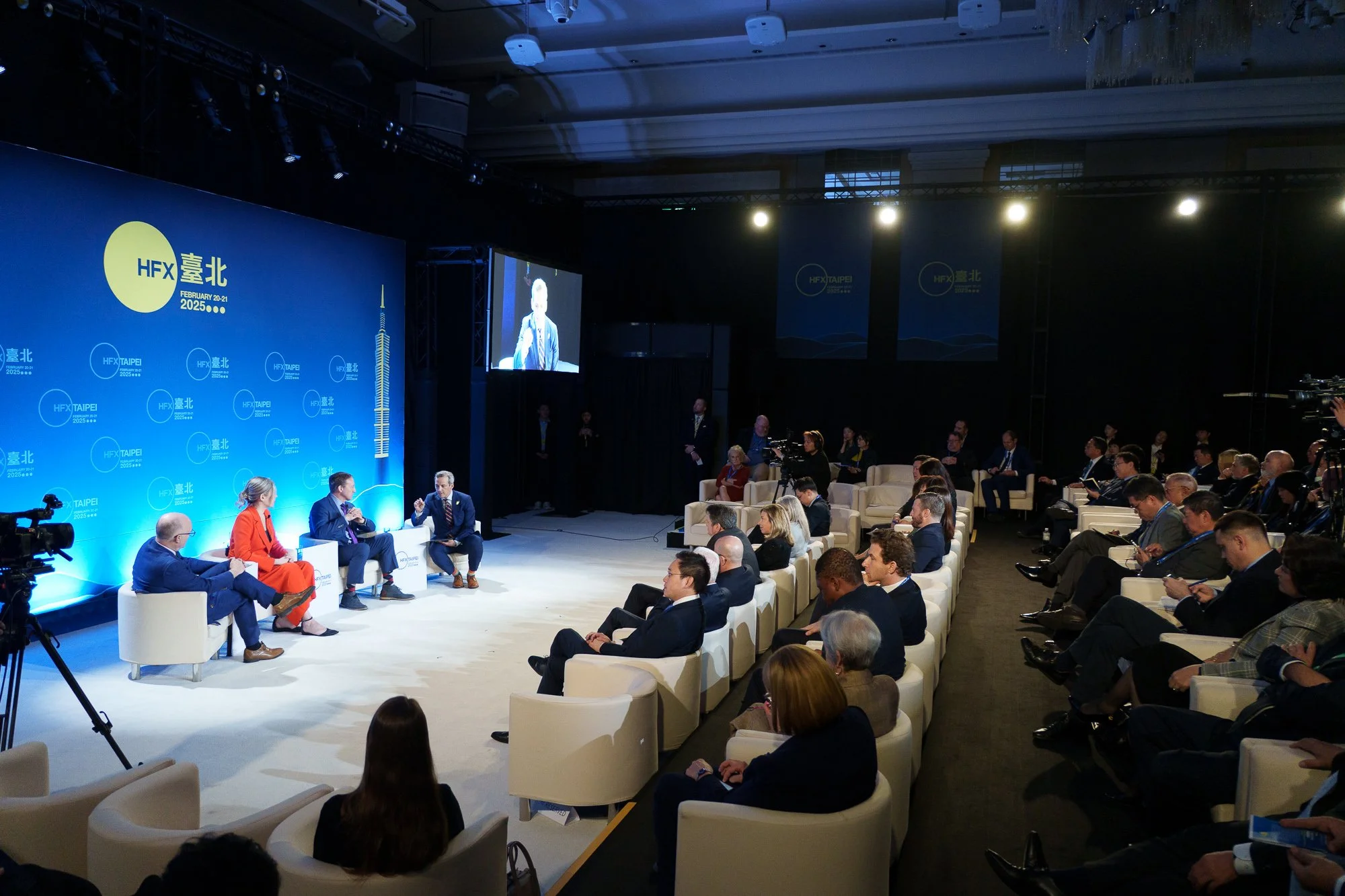
Step 5: Measuring ROI and Long-Term Impact
An executive summit’s success isn’t determined when the lights dim, it’s measured in the months and years that follow.
Set Metrics That Matter
Quantify outcomes through both qualitative and quantitative metrics:
- Number of partnerships or deals initiated.
- Participant satisfaction and engagement.
- Media coverage or industry recognition.
- Policy, product, or programmatic outcomes influenced by the summit.
Implement Post-Event Reporting
Create a post-summit report summarizing insights, key takeaways, and commitments made. Distribute it to participants as a reminder of the summit’s value and as a launchpad for continued collaboration.
Sustain Momentum
Follow up strategically:
- Create digital communities or private networks for continued dialogue.
- Plan smaller follow-up roundtables or workshops.
- Use feedback surveys to refine future events and demonstrate responsiveness.
By treating the summit as the beginning of engagement, you maximize its long-term ROI.
Case Study: High-Impact Executive Summits in Action
Corporate Leadership Retreats
Stratus has designed leadership retreats that merge luxury hospitality with strategic intent. From executive team offsites to investor summits, these gatherings prioritize purpose-driven design with seamless logistics, refined settings, and immersive experiences that foster alignment and innovation.
Nonprofit Executive Convenings
For mission-driven organizations, ROI often means influence and impact rather than revenue. Stratus has produced executive summits that connect nonprofit CEOs with funders, policymakers, and partners, translating shared vision into measurable change.
Across all these examples, the constant thread is the same: precision, discretion, and purpose-built design that turn dialogue into results.
Elevating Executive Convenings for Results
Executive summits represent the pinnacle of event strategy, intimate yet powerful, luxurious yet purposeful. They are where organizations demonstrate leadership not just through words, but through experience.
To plan a high-impact executive summit:
- Start with purpose, not logistics.
- Design for value, not volume.
- Measure outcomes, not applause.
When executed strategically, an executive summit can reshape an organization’s influence, strengthen relationships, and generate long-term ROI that extends far beyond the event itself.
At Stratus Firm, we partner with visionary leaders to craft summits that deliver prestige, purpose, and measurable impact, where every detail is intentional and every moment drives results.