
What Campaign Rallies and Championships Have in Common
At first glance, a political campaign rally and a championship sporting event seem worlds apart. One is rooted in civic engagement and ideology, the other in competition and fandom. But behind the scenes, the two share far more than packed crowds and loud applause.
Both are high-stakes, high-energy live events designed to move people emotionally, psychologically, and sometimes even historically. They rely on many of the same principles of sporting event planning, from crowd management and production design to storytelling, security, and broadcast-ready staging.
Whether you’re filling a stadium for a championship game or a public square for a rally, the goal is the same: create a moment that resonates, mobilizes, and lasts long after the lights go down.
The Shared DNA of Large-Scale Live Events
At their core, campaign rallies and championships belong to the same category of events: mass-audience, emotionally charged experiences with zero margin for error.
They demand:
Large-scale event logistics
Sophisticated crowd flow and safety planning
High-impact production design
Clear messaging and symbolism
Media-ready visuals and sound
A deep understanding of audience psychology
These elements are foundational to successful sporting event planning, but they translate seamlessly to rallies, civic celebrations, concerts, and other high-profile public gatherings.
The stakes are simply different flavors of the same pressure.
Crowd Energy Is the Product
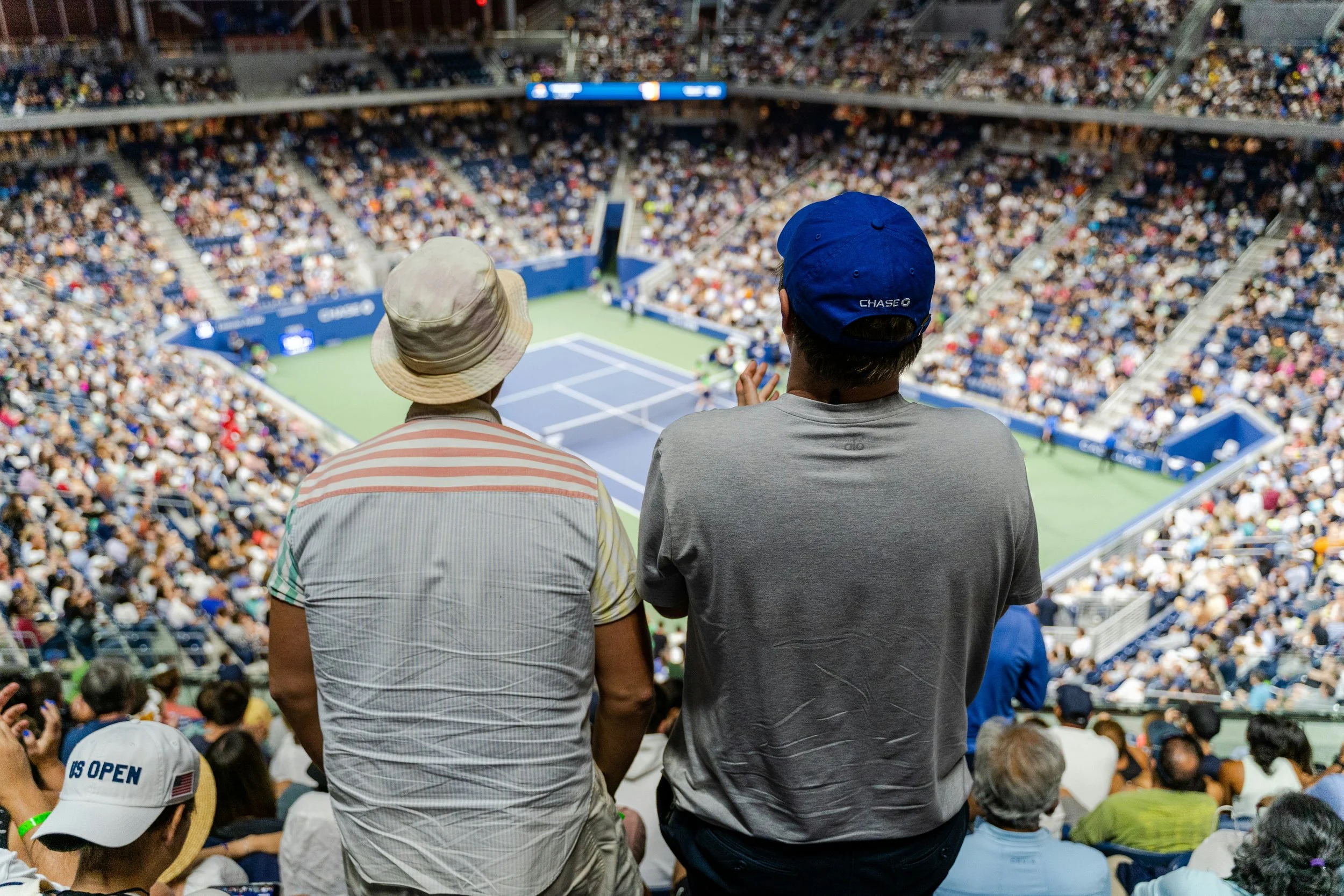
In both rallies and championships, the crowd is not just an audience; it is the product.
For sporting events, crowd noise fuels athletes, intimidates opponents, and amplifies the spectacle. For rallies, crowd energy signals momentum, legitimacy, and enthusiasm, both to attendees and to viewers watching from afar.
From a planning perspective, this means designing environments that:
Encourage participation, not passivity
Build anticipation through pacing and pre-show elements
Create moments of collective release (cheers, chants, celebrations)
Sustain energy without overwhelming or exhausting attendees
Seasoned sports planners understand how critical momentum is. The same principles apply to rallies: opening music, speaker sequencing, visual reveals, and closing moments all matter.
Energy doesn’t happen by accident—it’s engineered.
Production Design Shapes Perception
One of the clearest overlaps between campaign rallies and championships is production design as perception management.
In sports, production design communicates:
Prestige (championship branding, lighting, staging)
Home-field advantage
Scale and legitimacy
In rallies, it communicates:
Authority
Credibility
Unity
Momentum
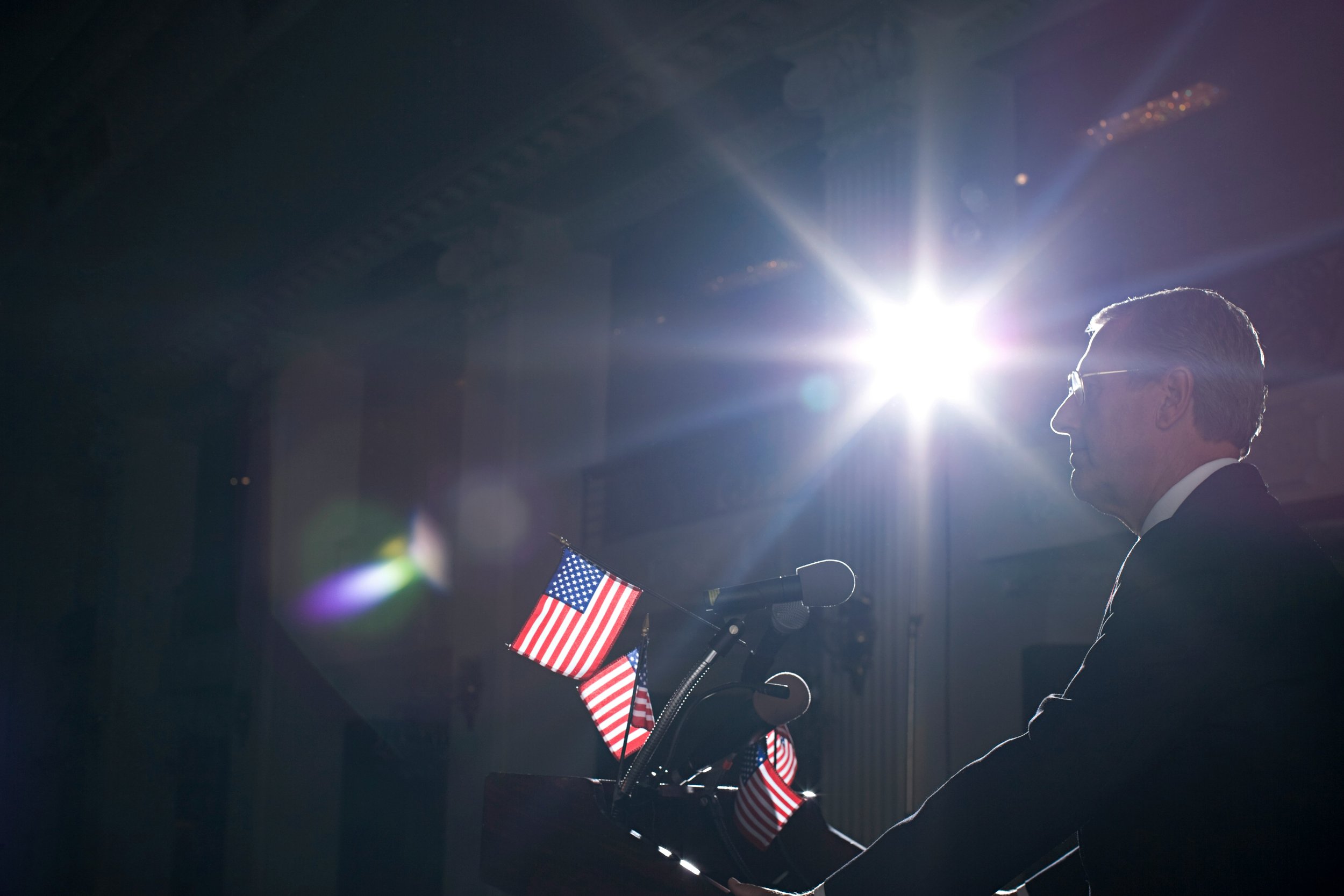
Podium placement, backdrop choices, lighting color temperatures, flag placement, scenic scale, and crowd framing all influence how an event feels in person and how it reads on camera.
Sporting event planners are masters of this visual language. They know:
Where cameras will be
How sightlines affect audience focus
How scenic design translates on broadcast
How scale reinforces importance
Rallies follow the same playbook. The difference isn’t how events are produced—it’s what story they’re telling.
Logistics at Scale: Where Planning Becomes Strategy
Logistics are where sporting event planning and campaign rallies truly converge.
Both require:
Coordinated load-in and load-out schedules
Credentialing systems for staff, press, and VIPs
Layered security planning
Emergency response protocols
Transportation and parking management
Clear wayfinding and signage
At scale, logistics are no longer operational; they’re strategic.
A delayed entry, congested security checkpoint, or poorly planned exit can sour an otherwise successful event. Worse, it can create safety risks or negative media narratives.
Experienced sports producers understand that:
Smooth flow feels invisible to guests
Problems compound quickly at scale
Redundancy is not optional
Campaign rallies operate under the same constraints, often with added security complexity. In both cases, flawless execution builds trust. Mistakes erode it instantly.
Security Without Spectacle
Security is another shared reality, especially at championships, playoffs, major tournaments, and political rallies.
The challenge is identical: security must be comprehensive but unobtrusive.
Guests should feel safe, not restricted. Protected, not policed.
In sporting event planning, this means:
Controlled access points that don’t bottleneck
Clear but calm security presence
Coordination with venue, municipal, and private teams
Emergency protocols that don’t interrupt the experience
Political rallies require the same discipline, often with additional federal or local oversight. In both environments, the goal is the same: safety that supports the moment.
The best security plans are the ones audiences never consciously notice.
Storytelling Is the Throughline
Championships aren’t just games, they’re narratives:
Rivalries
Comebacks
Underdogs
Legacy moments
Rallies operate on narrative as well:
Urgency
Progress
Unity
Vision
Great sporting event planning doesn’t just stage competition; it tells a story through ceremony, visuals, music, and timing. The same applies to rallies.
Every element reinforces a narrative arc:
Arrival and anticipation
Build-up and engagement
Climactic moments
Resolution and takeaway
This is why opening ceremonies, anthem moments, trophy presentations, and closing remarks matter so deeply. They give meaning to the experience beyond the action itself.
Media Amplification Changes Everything
Neither rallies nor championships are designed solely for the people in the room.
They are produced for:
Broadcast audiences
Social media clips
Press photography
On-demand replays
This dual audience shapes nearly every production decision.
Sporting events have long planned with cameras in mind, knowing how angles, lighting, and crowd shots affect perception. Political rallies increasingly do the same.
Key considerations include:
Camera sightlines
Backdrops that read well on screen
Lighting that flatters speakers and crowds
Audio clarity for live and remote audiences
Moments designed for shareability
In both cases, media is not an afterthought; it’s a design partner.
Fan Engagement and Audience Participation
Another major overlap is how audiences are engaged beyond simply watching.
Sports planners excel at:
Call-and-response moments
In-game prompts and rituals
Fan zones and activations
Merchandising and memorabilia
Rallies borrow similar techniques:
Chants and slogans
Visual participation (signs, lights, colors)
Interactive moments with speakers
Music and performance
Participation deepens emotional investment. It transforms attendees from spectators into stakeholders.
That’s true whether someone is cheering for a team or showing up for a cause.
Why These Similarities Matter
Understanding what campaign rallies and championships have in common isn’t just an academic exercise; it’s a strategic advantage.
It means:
Sports planners can confidently expand into civic or public events
Political and nonprofit teams can borrow proven sports production strategies
Brands can align sponsorship and experiential efforts across sectors
Cities and venues can standardize best practices across event types
At scale, great event planning is great event planning, regardless of subject matter.
Lessons for Modern Event Producers
When you strip away the labels, rallies and championships teach the same lessons:
Emotion drives impact
People remember how an event made them feel, not just what happened.Scale magnifies everything
Success and failure are both louder at scale.Production is messaging
Every visual and logistical choice communicates something.Flow equals trust
When an event feels smooth, audiences relax and engage.Moments matter more than minutes
A few powerful moments define the entire experience.
These lessons are central to elite sporting event planning and apply to any large-scale public gathering.
The Bigger Picture
Campaign rallies and championships succeed for the same reason: they understand that live events are about more than logistics.
They are about:
Shared identity
Collective energy
Storytelling at scale
Precision under pressure
When produced well, they become cultural touchstones — moments people talk about, remember, and associate with meaning.
That’s the real common ground.
Turning High-Stakes Moments Into Seamless Experiences
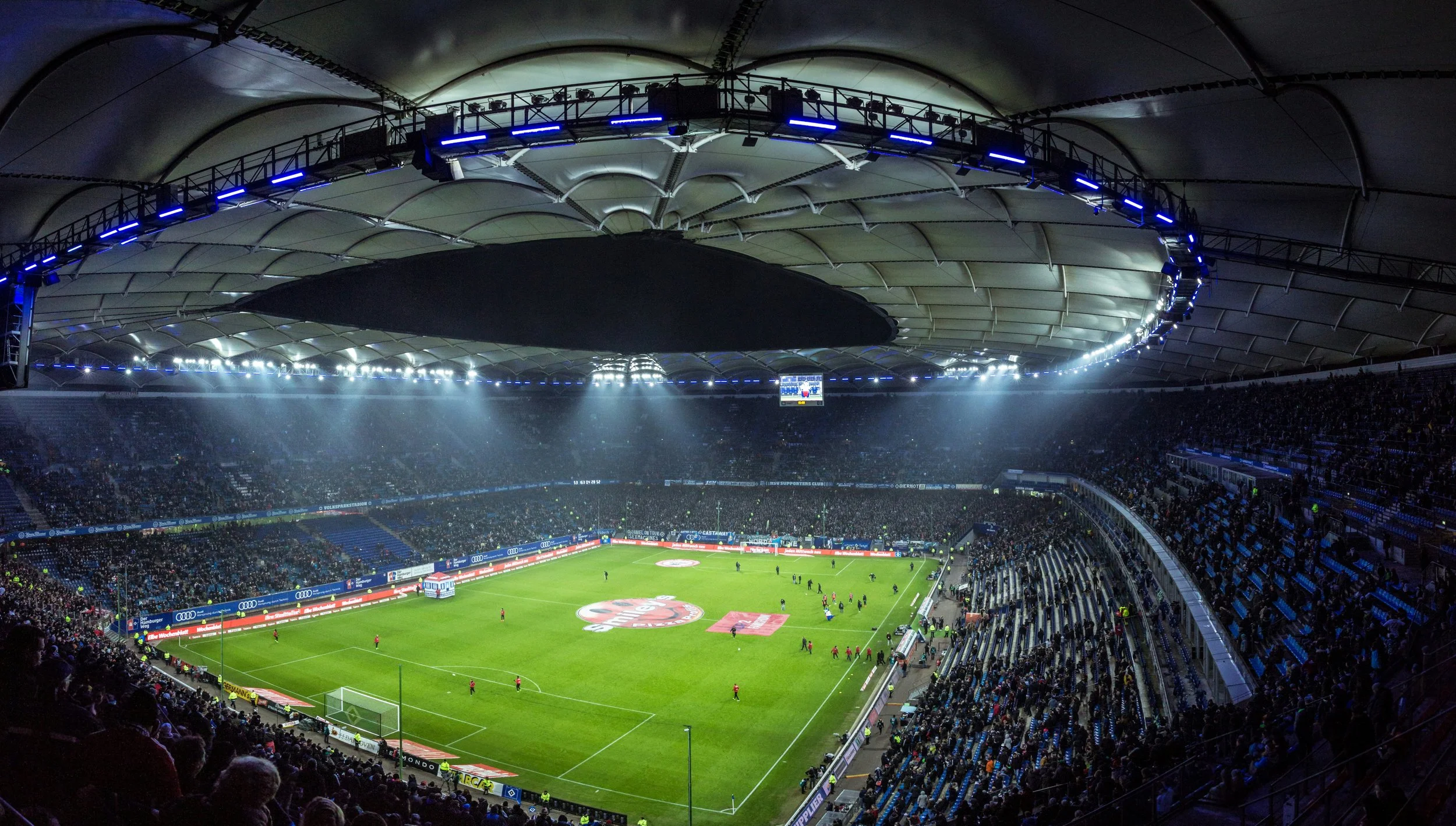
Whether you’re planning a championship-level sporting event, a national campaign rally, or a large-scale civic convening, the fundamentals remain the same: precision, storytelling, security, and flawless execution under pressure.
At Stratus Firm, we specialize in producing complex, high-visibility events where perception matters and the margin for error is zero. From stadium-scale logistics and crowd flow to broadcast-ready staging and security coordination, our team brings the same expertise and creativity to every event, no matter the arena.
If you’re designing an event where momentum, messaging, and experience must align perfectly, we’d love to help.
Let’s talk about how to apply championship-level sporting event planning to your next high-impact moment.
Frequently Asked Questions
-
Both rely on large-scale event planning, crowd psychology, high-energy production, and precise logistics. From staging and lighting to security and audience flow, the fundamentals of delivering a successful live experience are remarkably similar.
-
Sporting event planning provides a proven framework for managing high attendance, heightened emotion, and live broadcast demands, making it highly transferable to rallies, concerts, festivals, and civic events.
-
Crowd energy drives perception, memory, and media impact. Whether it’s a stadium full of fans or a packed rally, planners must design moments that build anticipation, peak excitement, and leave a lasting emotional impression.
-
Production design shapes how an event feels in the room and how it looks on screen. Thoughtful staging, lighting, audio, and scenic elements reinforce identity, authority, and excitement — critical for both sports and political events.
-
Campaign rallies excel at symbolism, storytelling, and visual messaging. Sports planners can adopt similar strategies to elevate ceremonies, openings, and championship moments beyond logistics into powerful shared experiences.