
Event Development and Production: Bridging Strategy and Logistics
Great events don’t start with logistics. They start with intention, but intention alone isn’t enough.
Too often, event strategy and event production are treated as separate phases, with one focused on ideas, the other on execution. The result is a disconnect between what an event is meant to achieve and how it actually comes to life.
The most successful events bridge that gap. They connect strategy to logistics seamlessly. Because when development and production work together, events don’t just happen. They perform.
What Is Event Development?

Event development is the strategic foundation of an event.
It defines:
purpose and objectives
target audience
messaging and positioning
desired outcomes
overall experience vision
This is where key questions are answered:
Why are we hosting this event?
Who is it for?
What should it accomplish?
What should it feel like?
Without clear development, events risk becoming well-executed but directionless.
What Is Event Production?
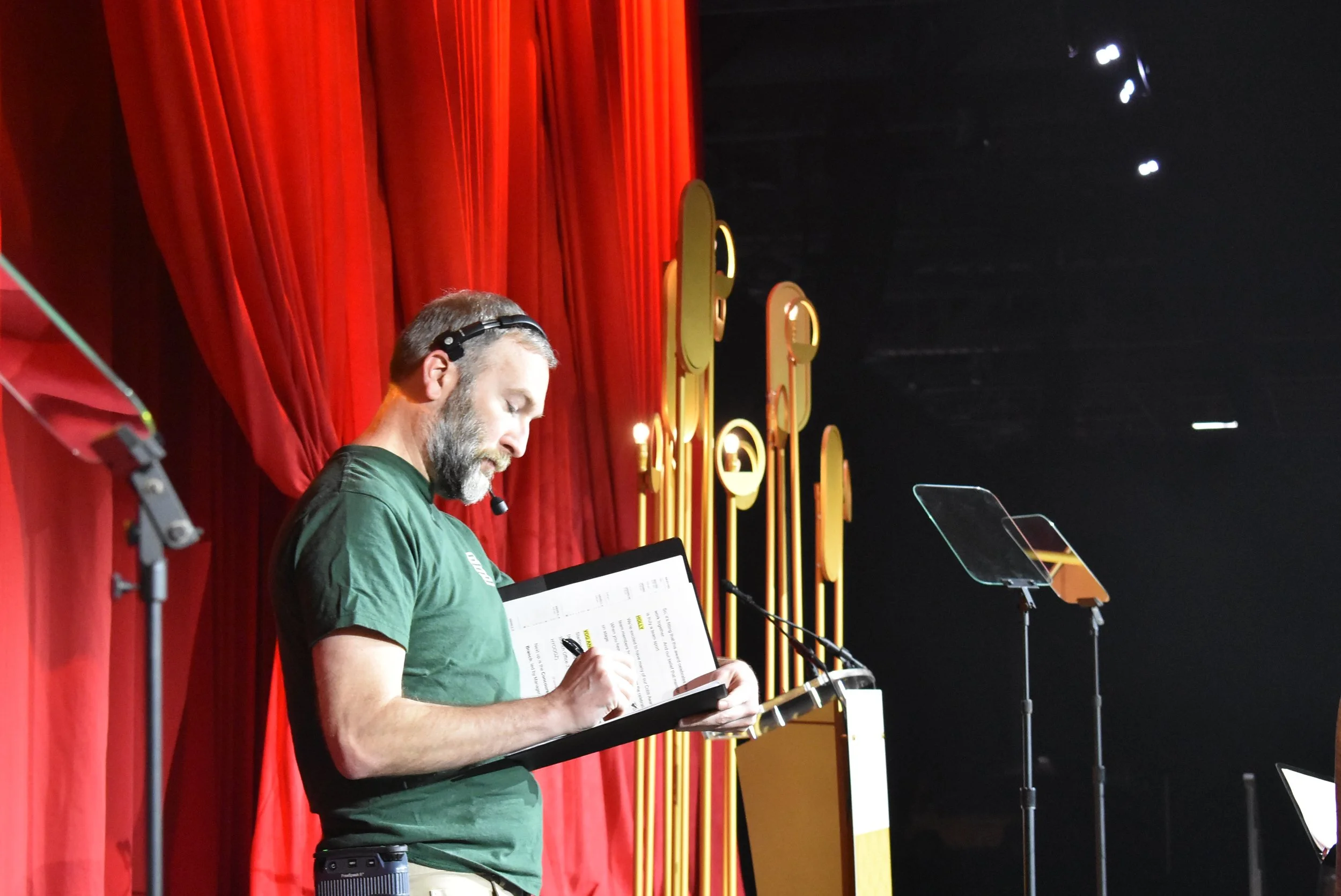
Event production is the execution of that strategy.
It translates vision into reality through:
logistics and operations
technical production (AV, staging, lighting)
vendor coordination
staffing and on-site management
run of show and scheduling
Production ensures that every element, visible and invisible, works together to deliver the intended experience.
But without strong development, production is simply activity.
Why Strategy and Execution Must Be Connected
Event development and production are often treated as sequential.
In reality, they should be integrated.
Strategy informs execution.
Execution shapes strategy.
When these functions operate in silos:
ideas may not be feasible
budgets may not align with vision
logistics may undermine experience
opportunities for impact are missed
When they are connected:
decisions are more informed
resources are used more effectively
the event feels cohesive from start to finish
The difference is not subtle.
It’s the difference between an event that works and one that resonates.
The Risks of a Siloed Approach
Separating development from production creates friction.
Misaligned Expectations
What is envisioned may not match what can realistically be delivered.
Inefficient Budgeting
Resources may be allocated without understanding production implications.
Last-Minute Adjustments
Gaps between strategy and logistics often surface late when changes are hardest to make.
Fragmented Experience
Attendees feel the disconnect, even if they can’t articulate it. Siloed planning doesn’t just create operational challenges; it limits impact.
The Event Lifecycle: From Concept to Execution
Strong events follow a connected lifecycle.
1. Strategy and Development
Define goals, audience, and experience.
2. Concept and Design
Translate strategy into creative direction and structure.
3. Planning and Coordination
Align vendors, timelines, and logistics.
4. Production and Execution
Deliver the event with precision and control.
5. Evaluation and Evolution
Assess performance and refine for the future — each phase informs the next, and when managed as a continuous process rather than isolated steps, events improve over time.
How Development Informs Production
A clear strategy gives production teams direction.
It answers:
What matters most?
Where should resources be prioritized?
What experience are we trying to create?
For example:
A relationship-driven event may prioritize intimate environments over large-scale staging
A brand-forward event may invest heavily in design and visual impact
A policy-focused event may emphasize content clarity and audience flow
Without this context, production decisions become generic. With it, they become intentional.
How Production Shapes Strategy
The relationship works both ways.
Experienced production teams bring practical insight that strengthens strategy.
They help answer:
What is feasible within budget and timeline?
How will guests move through the space?
Where are potential friction points?
How can design support flow and engagement?
Production isn’t just about execution. It’s about making strategy real and better.
Aligning Teams, Stakeholders, and Goals
Events often involve multiple stakeholders:
internal teams
leadership
partners and sponsors
external vendors
Without alignment, priorities can conflict.
An integrated approach ensures that:
everyone is working toward the same goals
decisions are made with full context
communication is clear and consistent
Alignment reduces friction and improves outcomes.
Creating Cohesive, Experience-Driven Events
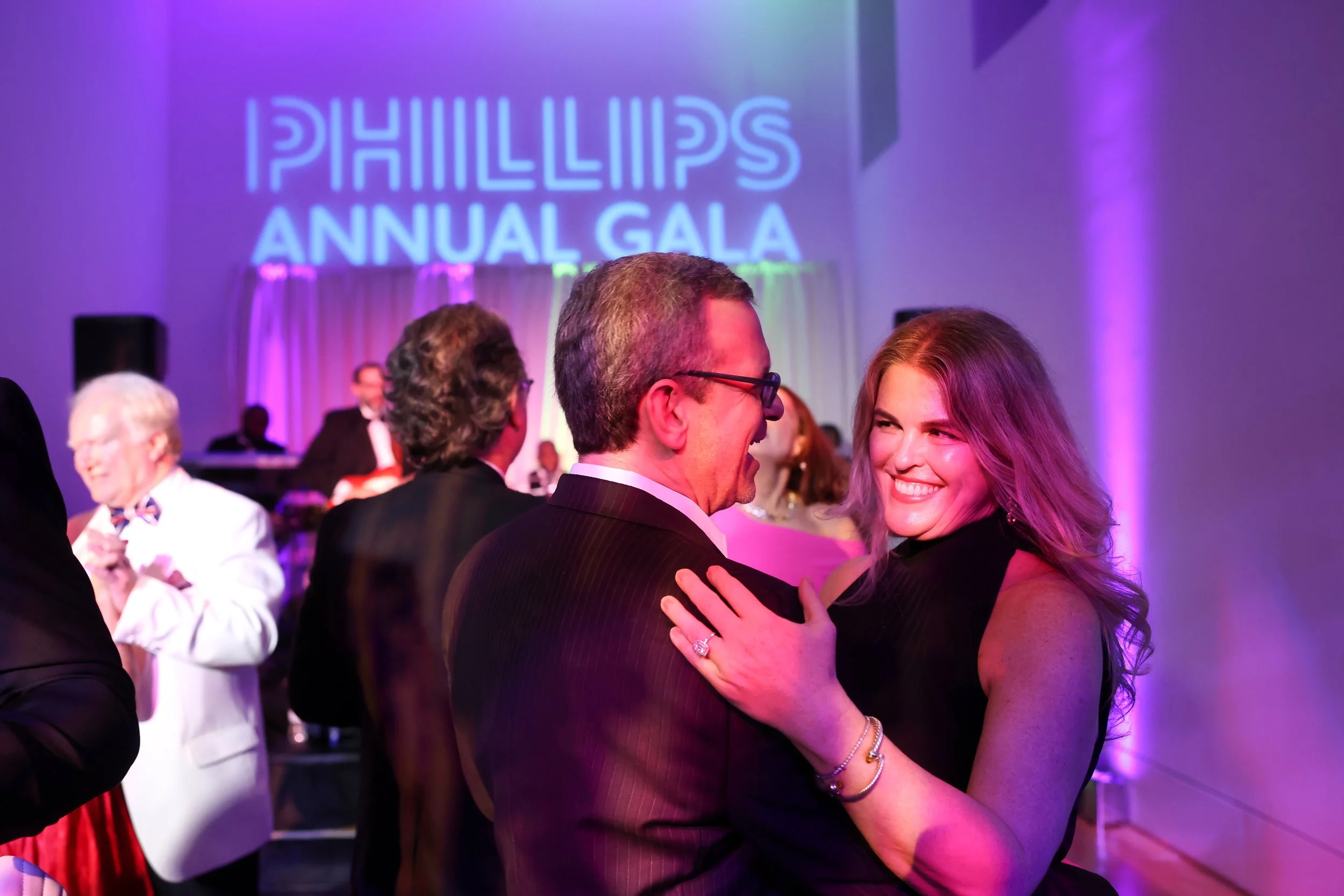
When development and production are fully integrated, something shifts.
Events feel:
intentional
seamless
aligned
Attendees don’t see the planning process. They experience the result.
They feel:
clarity in messaging
ease in navigation
connection to the purpose
This is where logistics become experience, and where strategy becomes impact.
Final Thoughts: One Integrated Approach
Event development and production are not separate disciplines; they are two parts of the same system.
Strategy defines what an event should achieve, and production ensures it delivers.
When they are connected, events move beyond execution.
They become:
more effective
more efficient
more meaningful
The goal isn’t just to produce events, it’s to produce events that work on every level.
Connect Strategy to Execution
The strongest events don’t happen when development and production operate separately—they happen when they’re aligned from the start.
At Stratus Firm, we bring strategy and execution together—designing events with intention and delivering them with precision.
From early-stage development to final execution, we ensure every decision supports the bigger picture.
Let’s build events that perform—end to end.
Frequently Asked Questions
-
Event development is the strategic planning phase that defines an event’s purpose, audience, goals, and overall experience.
-
Event production is the execution phase, including logistics, technical production, staffing, and on-site management.
-
Planning focuses on strategy and organization, while production focuses on execution. The best events integrate both.
-
Without alignment, events can feel disjointed. Integration ensures that the event delivers on its intended goals.
-
By connecting strategy, design, planning, execution, and evaluation into one continuous, aligned process.