
How Event Production Firms Partner with Prime Contractors on Government Projects

Government projects often involve complex teams.
A federal agency may award a contract to a prime contractor responsible for delivering an entire program, from communications strategy to technical implementation. But many of these projects require specialized expertise that the prime contractor does not provide in-house.
That’s where subcontractors come in.
For large-scale government conferences, policy summits, and public convenings, event production firms frequently serve as subcontractors, delivering the logistics, staging, and operational execution that bring events to life. Understanding how these partnerships work is essential for both prime contractors and agencies seeking successful outcomes.

Understanding Prime Contractors and Subcontractors
In federal contracting, the prime contractor is the organization that holds the primary contract with the government agency.
The prime contractor is responsible for:
Delivering the full scope of the contract
Managing budgets and reporting
Coordinating project teams
Ensuring compliance with federal procurement regulations
A subcontractor, by contrast, is a specialized partner brought in by the prime contractor to perform specific portions of the work.
In the case of government meetings and conferences, event production firms often serve as subcontractors responsible for delivering the live event component.
This structure allows prime contractors to assemble teams with the right expertise for each element of a complex project.
Why Government Projects Use Subcontractor Teams
Government initiatives often require a broad range of capabilities.
A single program might include:
strategic communications
policy research
digital platforms
public engagement initiatives
large-scale conferences or summits
Prime contractors typically manage the overarching program while partnering with specialists to deliver key components. Event production firms fall into this category of specialized partners. Instead of building an in-house production department, prime contractors can collaborate with experienced production teams that already understand how to manage large audiences, staging, technical systems, and logistics.
This approach improves both efficiency and execution quality.
The Role of Event Production in Government Programs
Many government initiatives include high-profile events designed to convene stakeholders, communicate policy priorities, or facilitate collaboration.
Examples include:
national policy conferences
international security forums
economic development summits
federal agency conferences
congressional gatherings
public-private partnership events
These events often feature:
senior government officials
industry leaders
international delegations
media coverage
large audiences
Producing events of this scale requires specialized operational expertise. Event production subcontractors provide that capability.
How Event Production Firms Support Prime Contractors
When working under a prime contractor, event production firms typically integrate into the broader project team while focusing on the live event component.
Responsibilities may include:
venue sourcing and management
event logistics planning
stage design and scenic production
audiovisual and technical production
registration and credentialing systems
crowd flow and guest experience design
coordination with security and venue teams
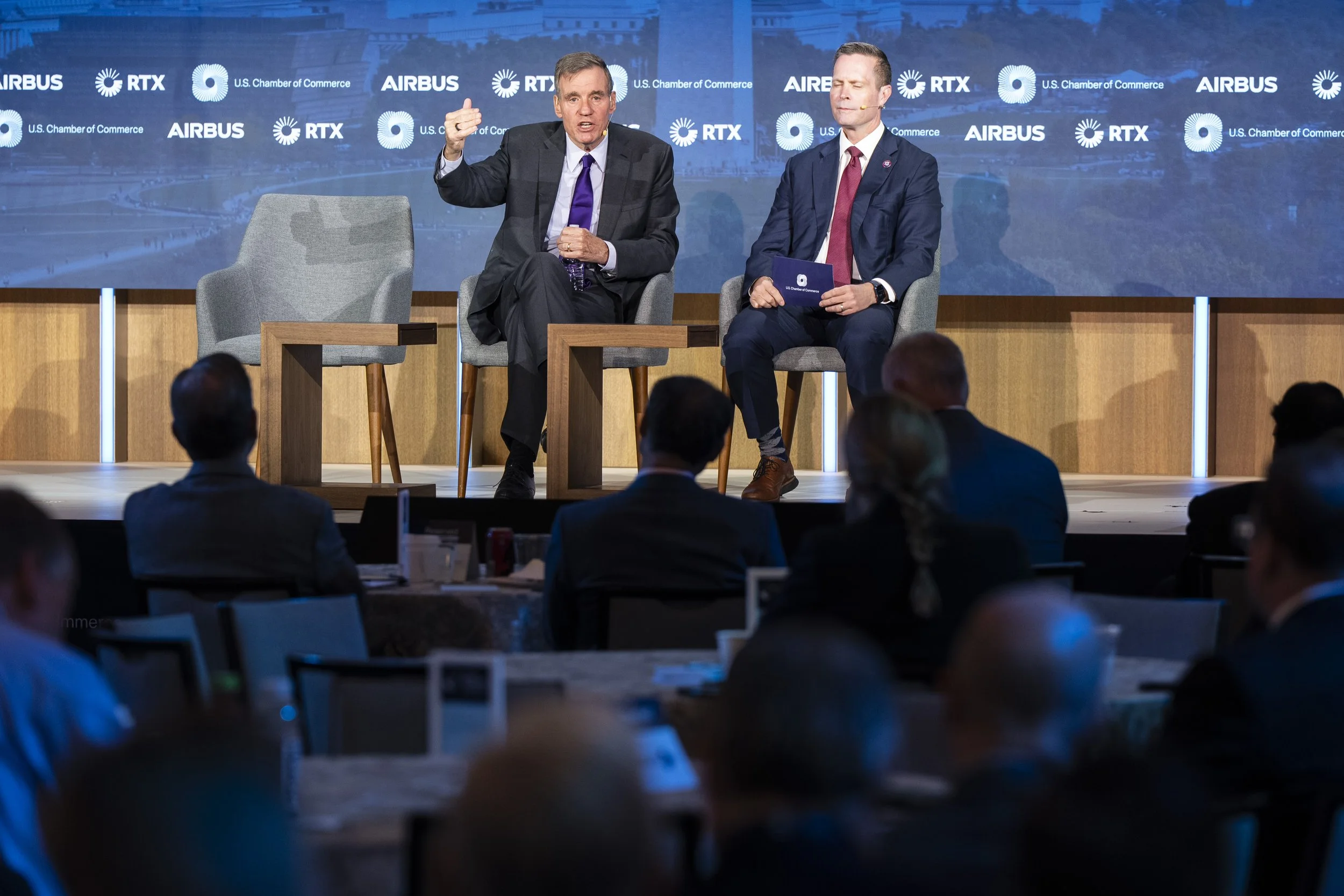
While the prime contractor maintains overall program oversight, the production team ensures the event operates smoothly and professionally. This partnership model allows each organization to focus on its strengths.
Key Services Event Production Subcontractors Provide
Event production firms bring specialized capabilities that complement the strategic leadership of prime contractors.
Common services include:
Venue and Logistics Management
Selecting venues, coordinating contracts, and managing operational timelines.
Scenic and Stage Design
Creating environments that support speakers, panel discussions, and broadcast requirements.
Audiovisual Production
Providing sound systems, lighting, video capture, and technical direction.
Registration and Attendee Experience
Managing attendee check-in systems, credentialing, and guest communications.
On-Site Production Management
Coordinating vendors, speakers, run-of-show timelines, and real-time troubleshooting.
These services ensure that high-profile events operate seamlessly.
Compliance and Security Considerations
Government events often operate under unique requirements.
These may include:
enhanced security protocols
coordination with law enforcement or federal security teams
strict access control procedures
credential verification systems
sensitive speaker or attendee logistics
Experienced event production subcontractors understand how to work within these environments. They collaborate closely with prime contractors, venues, and security partners to ensure compliance while maintaining a positive guest experience.
Communication and Coordination Across Teams
Successful government projects depend on collaboration. Because multiple organizations may be involved, including prime contractors, subcontractors, venue staff, and government representatives, clear communication is essential.
Strong partnerships rely on:
clearly defined scopes of work
shared project timelines
regular coordination meetings
transparent reporting structures
unified decision-making processes
When teams align effectively, complex projects move forward with clarity and confidence.
Benefits of Partnering with Specialized Event Production Firms
For prime contractors, working with experienced production partners offers several advantages.
Expertise
Event production firms specialize in logistics, staging, and audience experience.
Efficiency
Experienced teams already have vendor networks and operational systems in place.
Risk Reduction
Professional production teams anticipate potential challenges and address them proactively.
Scalability
Production firms can support events ranging from small meetings to international conferences.
These benefits help prime contractors deliver high-quality programs without expanding their internal teams.

When Event Production Firms Serve as Prime Contractors
While many government projects involve event production firms working as subcontractors, there are situations where production companies serve as prime contractors.
This may occur when the primary objective of the contract is event delivery itself, such as:
multi-day conferences
large public events
recurring federal convenings
international summits
In these cases, the production firm may lead the project and partner with communications agencies, consultants, or technical providers as subcontractors. This flexibility allows production teams to support government initiatives in multiple ways.
Prime Contractor vs. Event Production Subcontractor
In government projects, the roles of a prime contractor and an event production subcontractor differ significantly, though both are essential to delivering successful programs and events.
A prime contractor holds the federal contract directly with the government agency. Because of this contractual relationship, the prime contractor oversees the entire program and is responsible for ensuring that all project requirements are met. This includes managing the overall scope of work, maintaining compliance with federal regulations, coordinating project partners, and providing reporting and program oversight. The prime contractor also maintains the direct relationship with the government client, serving as the primary point of contact and providing strategic leadership for the project.
An event production subcontractor, by contrast, works under the prime contractor rather than directly with the government agency. Instead of overseeing the entire contract, subcontractors focus on delivering specialized services within the broader program. In the context of government events, this often includes responsibilities such as event logistics, staging, audiovisual production, and on-site event operations. While subcontractors collaborate closely with the prime contractor, their role centers on operational execution rather than overall program management.
In practice, the prime contractor provides strategic direction and manages the client relationship, while the event production subcontractor brings specialized expertise and execution capabilities to specific aspects of the project. Together, these roles create a collaborative structure that allows complex government initiatives and large-scale events to be delivered efficiently and successfully.
Final Thoughts: Delivering High-Stakes Events Together
Government events often carry significant visibility and impact. They convene leaders, shape policy conversations, and represent institutions on national or international stages. Delivering these events successfully requires the combined expertise of strategic program managers and experienced event production teams. Prime contractors bring program leadership. Event production subcontractors bring operational execution.
Together, they create events that are organized, secure, and impactful.
Ready to plan your next event?
Frequently Asked Questions
-
A prime contractor holds the main government contract and manages the overall program, while subcontractors provide specialized services within that contract.
-
Government projects often require diverse expertise. Subcontractors allow prime contractors to bring in specialists for specific tasks such as event production, technology implementation, or communications.
-
Event production subcontractors manage logistics, staging, audiovisual systems, venue coordination, registration, and on-site event operations.
-
Yes. When a contract primarily focuses on event delivery, event production firms may serve as prime contractors while partnering with other specialized subcontractors.
-
Prime contractors typically evaluate production partners based on experience, operational capability, reliability, and the ability to collaborate within structured project teams.