
Risk Management & Security Planning for Sporting Events

From sold-out stadiums and championship tournaments to community races and invitation-only VIP experiences, sporting events operate at the intersection of scale, emotion, and public visibility. They bring people together in powerful ways, but they also carry unique operational and security challenges that demand thoughtful, proactive planning.
In today’s environment, sporting event planning is no longer just about logistics, programming, and fan engagement. Risk management and security planning have become foundational components of producing successful, safe, and inspiring experiences. The most effective events are those where safety is seamlessly integrated; present without being intrusive, deliberate without being disruptive.
Below, we explore why risk management matters in planning for sporting events, the most common security risks planners face, and how an experience-driven approach leads to stronger outcomes for guests, partners, and organizers alike.
Why Risk Management Is Central to Sporting Event Planning
The unique scale and complexity of sporting events
Sporting events are inherently complex. They often involve large crowds, tight timelines, multiple access points, high-profile participants, broadcast considerations, and coordination across public and private entities. Unlike many corporate or social gatherings, sporting events are typically open to the public, emotionally charged, and geographically expansive.
This complexity elevates the importance of risk management for sporting events. One overlooked detail, like an understaffed gate, unclear signage, or misaligned communication plan, can ripple quickly into guest frustration, safety concerns, or operational breakdowns
Why sports environments carry elevated risk profiles
Sports environments introduce variables that planners cannot fully control but must be prepared to manage:
Passionate fan behavior and rivalries
Alcohol consumption
Weather exposure in outdoor venues
High-profile athletes, executives, or political figures
Media scrutiny and live broadcasting
Real-time crowd movement and congestion
These factors make sporting event security planning a distinct discipline within large-scale event planning — one that requires foresight, adaptability, and strong partnerships.
The relationship between guest experience and safety
Safety and experience are not opposing forces. In fact, they are deeply connected. When guests feel safe, informed, and supported, they are more likely to relax, engage, and enjoy the event. Conversely, confusion at entry points, visible tension among staff, or poorly handled disruptions can undermine even the most beautifully designed event.
Effective event safety and security is about creating confidence, often without guests consciously realizing it.
Common Security Risks in Sporting Events
Crowd Density & Movement
Crowd dynamics are one of the most critical components of crowd management at sporting events.
Entry and exit flow
Ingress and egress periods, particularly before start times and immediately after final moments, are peak risk windows. Poorly managed entry queues, limited screening capacity, or unclear wayfinding can lead to congestion and frustration.
Bottlenecks
Concessions, restrooms, security screening, and stairwells are common pressure points. Anticipating where crowds naturally slow or cluster allows planners to proactively adjust staffing, signage, and physical layouts.
Fan behavior dynamics
Emotions run high at sporting events. Celebrations, rivalries, and disappointment can all impact crowd behavior, making situational awareness and trained staff essential.
VIPs, Athletes, & High-Profile Guests
Sporting events frequently host athletes, executives, sponsors, elected officials, and other high-visibility individuals. Their presence introduces additional layers of stadium security planning.
Advance coordination
VIP movements, arrivals, and departures must be planned well in advance, often requiring private access routes, secure holding areas, and discreet coordination with security teams.
Secure access points
Credentialing, escort protocols, and back-of-house circulation paths help protect both VIPs and the overall guest experience.
External Threats & Environmental Risks
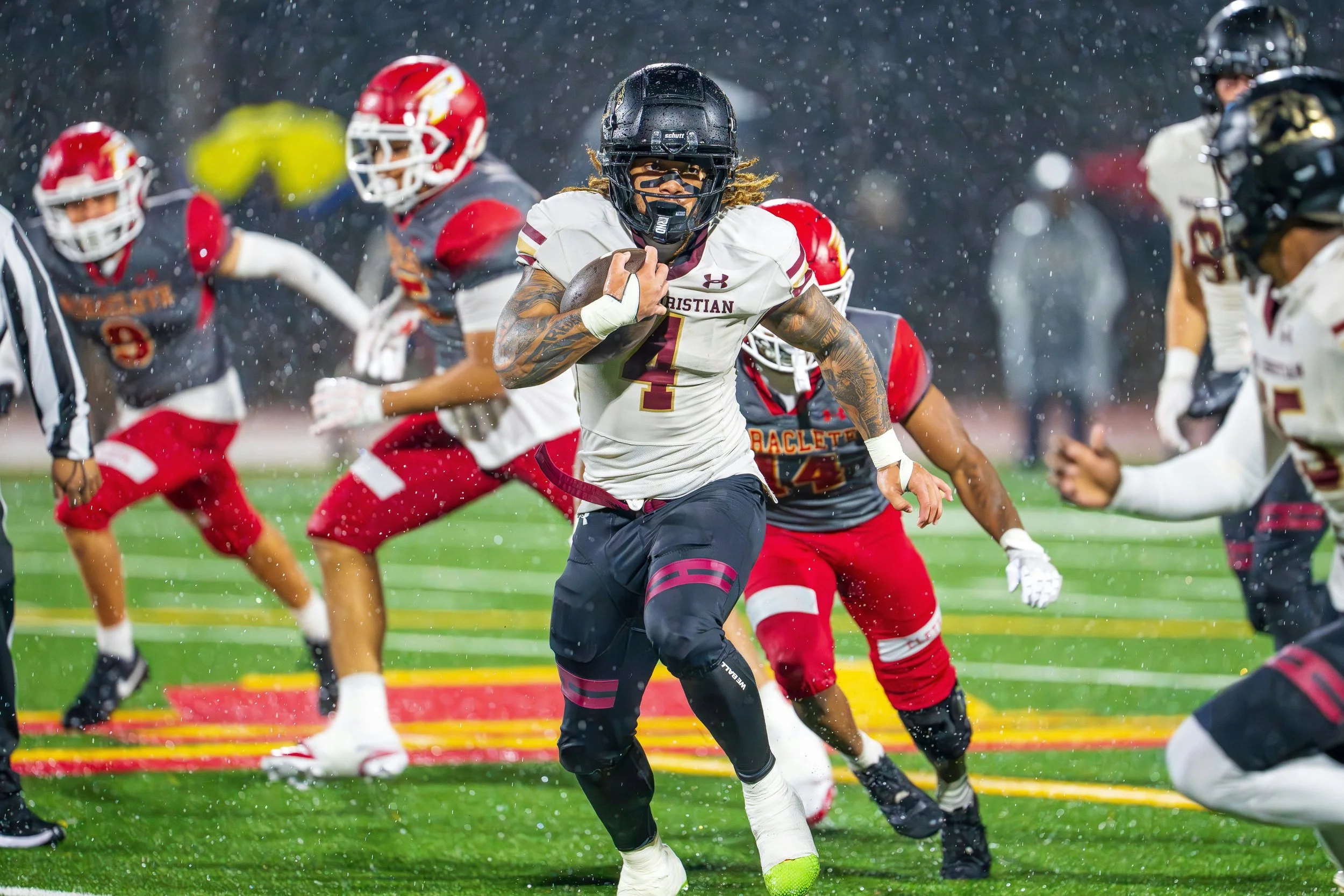
Weather
Heat, cold, lightning, and severe weather all require clear response plans, particularly for outdoor venues. Emergency preparedness for sporting events must account for sheltering, delays, and communication.
Protests or demonstrations
Public sporting events can attract demonstrations unrelated to the event itself. Planning for peaceful protest management and perimeter control is a critical aspect of public safety at sporting events.
General public safety considerations
From lost children to medical emergencies, sporting events must be prepared to respond calmly and quickly to everyday incidents at scale.
Key Components of Security Planning for Sporting Events
Pre-Event Risk Assessments
Strong sports event risk assessment begins long before event day.
Site walks
Walking the venue with fresh eyes, alongside security, operations, and venue staff, helps identify vulnerabilities, blind spots, and logistical challenges.
Scenario planning
Rather than planning for one “worst-case scenario,” experienced teams plan for a range of plausible situations, from minor disruptions to major incidents.
Stakeholder alignment
Ensuring that all partners share the same understanding of risks, roles, and escalation protocols is essential to cohesive execution.
Credentialing & Access Control
Credentialing is a cornerstone of event security planning.
Zoning strategies
Defining public, restricted, and secure zones helps manage movement and prevent unauthorized access.
Staff vs. guest access
Clear visual differentiation between staff credentials, volunteer badges, and guest tickets reduces confusion and improves enforcement.
Emergency Preparedness & Response Plans
No security plan is complete without clearly defined response protocols.

Medical response
First aid stations, roaming medical teams, and clear reporting channels ensure quick care when incidents occur.
Evacuation protocols
Evacuation plans should be practical, venue-specific, and well-communicated to staff—not just documented.
Command structures
A centralized command center allows decision-makers to monitor conditions, communicate updates, and respond efficiently in real time.
Coordination with Stakeholders
Successful sporting event logistics and operations rely on collaboration.
Local law enforcement
Private security teams
Venue operations staff
Municipal agencies
Fire, EMS, and medical providers
Each stakeholder brings specialized expertise. The role of the planning team is to align these groups under a shared operational vision, ensuring that communication flows smoothly before, during, and after the event.
The Role of the Event Planning Team
Event planners serve as the connective tissue between all security and operational partners.
Acting as the integrator
Planners translate high-level security requirements into actionable plans that align with programming, design, and guest flow.
Balancing security and experience
Experienced planners know how to incorporate safety measures without creating an overly restrictive or intimidating atmosphere.
Communication and command center management
Clear reporting structures, real-time updates, and calm leadership are critical to maintaining control during live events.
In effective planning for sporting events, security is not siloed; it is woven into every decision.
Interview Insight: A Security Professional’s Perspective

The complexity of sporting event security is best understood through the lens of those who manage it daily. The following interview was conducted with Rob MacLean, Senior Consultant at RSMac Consulting Inc.
How early should security teams be brought into the planning process?
From a high-level perspective, the person responsible for risk assessment and security planning for any sporting event should be engaged as soon as possible (Security Lead/Planner).
Early information, such as where the event will be held, what type of event, when it will be held, what hours, alcohol involved, event history, expected demographic, and expected special attendees, is critical to identify early so the planning process can begin.
Local event space requirements, such as the use of walk-through metal detectors, the use of K9s, or enhanced security measures, need to be identified early so that the proper procurement of resources is available for the event. Many venues have preferred vendors and specific rules to follow for security-related matters. Conducting an early threat assessment checklist is critical.
How do you balance visible security with a positive fan experience?
The balance between security measures and the fan experience is key and must be considered when implementing any security plan. In general, people expect security measures to be in place and will be highly tolerant of lines, bag checks, walk-throughs, no entry, and bag size restrictions; however, there is a fine line between feeling safe and feeling like it’s not a place you want to be. (Police standing with long guns at the entrance may make some people feel safe, but most would ask themselves why that measure is needed and perhaps turn around and leave).
People need to feel safe, but there are limits to the level of inconvenience the public will tolerate depending on their “perception” of the event and related security measures.

Proper messaging, “know before you go,” informational and directional signage, social media posts, and public information about what to bring and what to expect when entering the facility are a must.
When executing the plan, being well organized, paying attention to customer service, and ensuring everyone goes through the process are the keys to success. Having customer service personnel in front of security screening advising where to go and identifying issues before they hit security is an excellent way of communicating with the public to convey security measures.
How does crowd psychology influence the way you approach security planning for sporting events?
Different events require different response plans once operational. Perimeter security plans to ensure everyone’s safety are only one step in an overall outlook of a security plan. Understanding the demographics of the crowd, what food & beverage options will be available, and taking steps to ensure fans aren’t overserved goes a long way in understanding the resources that will be required to respond to ongoing situations.
Properly placing fans, limiting overcrowding in general admission and open areas, and adding a buffer zone between fans and the event are paramount to ensuring the safe and effective execution of a security response plan. Understanding and continuously monitoring which team is winning/losing and how fair official calls are being perceived should be monitored in real time, allowing security to implement crowd control measures before things get out of hand.
It is critical in the planning stages that these situations are taken into account, and multiple plans are pre-conceived, and resources are properly trained in advance to execute changes in the plan accordingly.
What role does event design (layout, lighting, signage) play in reducing security incidents before they occur?
Event design of key areas such as access routes, number of entry gates, processing areas food service lines, alcohol service lines, VIP areas & access/egress points, team and officials’ routes to playing area, merchandise areas, toilets, smoking areas (if any), etc are key in order to mange expectations of fans and plan security resources accordingly.
Proper lighting, directional signage for toilets, and exits are critical. Ensuring crowd safety in high-congestion areas may mean implementing monitors and “gating” (limiting flow) techniques to limit the risk of trampling and increase response time for first responders in an emergency. Pop-up or temporary structures and activations need to be included in the planning stages of any security/emergency response plan, as those are often placed in areas that impede spectator flow and emergency response.
How do you prepare security teams to adapt in real time when conditions change during a live sporting event?
“If you fail to plan, you are planning to fail”!
A security plan must be robust enough to adapt to changes in conditions and circumstances at the event. (Crowd size, weather, unexpected building systems failure, security/emergency incidents, etc.). Having “surge teams” available to be redeployed, proper communication among groups, contingency plans drawn up and tested in advance, and a published chain of command, including a unified command structure of all emergency services, all play a part in executing a proper security plan.
Continuous monitoring, having senior staff present, and regular live feedback to decision makers about crowd strength, spectator influence (teams winning or losing), spectator code of conduct issues, and in-seat fighting or criminal activity can influence how crowds react and interact with security and law enforcement. Having the resources and planning available in real time is critical to keeping everyone safe.
What advice would you give event planners to help foster stronger trust and collaboration with security partners?
Get security planners involved sooner rather than later.
Keep security partners informed of production and delivery schedules, builds, talent changes, and modifications in real time, so security plans can be adjusted during the planning stage.
Allow for two-way communication and constructive feedback to assist security planners in using their expertise in safety & security. Use security planners who ask questions and find positive, constructive solutions to problems rather than finding reasons not to do something.
A good security planner will work with production and the client team to prioritize safety and security while working towards common goals of fan experience, customer service, and achieving client satisfaction on deliverables.
Designing for Safety Without Sacrificing Experience
Thoughtful design is one of the most effective security tools.
Subtle security integration
Strategic lighting, landscape design, and layout choices can guide movement and deter risk without overt enforcement.
Guest perception vs. actual risk
Visible staff presence, clear signage, and calm communication often do more to reassure guests than heavy-handed measures.
Design, lighting, signage, and staffing as safety tools
Well-placed signage reduces confusion. Adequate lighting improves visibility. Trained, approachable staff create trust.
When security is embedded into design, it becomes part of the experience rather than a distraction from it.
Why Experience-Driven Planning Improves Security Outcomes
Proactive planning vs. reactive response
The most secure events are those where potential issues are anticipated and addressed before they arise.
Trust and clarity for guests
Guests who understand where to go, what to expect, and who to ask for help feel safer and more engaged.
Confidence for clients, sponsors, and partners
Well-managed security builds confidence among stakeholders, reinforcing professionalism and credibility.
An experience-driven approach recognizes that safety is not just a requirement—it’s a value.
Final Thoughts: Planning for Sporting Events with Confidence
Risk management and security planning are not add-ons. They are fundamental to successful sporting event planning.
When safety is treated as a foundation, not an afterthought, events operate more smoothly, guests feel more at ease, and stakeholders gain lasting confidence. Experienced, integrated planning teams bring the foresight, coordination, and calm leadership required to manage complexity without compromising experience.
In the end, the goal is not just to plan safe sporting events, but to create environments where athletes can perform, fans can celebrate, and communities can come together with confidence.
Plan Safer Events Without Compromising Experience
Risk management and security planning aren’t just about preventing what could go wrong; they’re about enabling everything to go right.
At Stratus Firm, we approach sporting event security as an integrated part of the guest experience. From crowd flow and credentialing to VIP advance and multi-agency coordination, our team brings clarity, calm, and precision to complex environments, so athletes can perform, fans can celebrate, and stakeholders can trust every detail is covered.
Whether you’re producing a championship tournament, a large-scale public race, or a high-profile sporting experience with VIP and media visibility, we help you plan with confidence.
Let’s talk about how to design a sporting event that’s safe, seamless, and experience-driven.
Frequently Asked Questions (FAQs)
-
Sporting events involve large crowds, heightened emotions, public visibility, and complex logistics, all of which increase risk. Effective risk management helps prevent safety incidents, reduce operational disruptions, and create a smoother guest experience. When safety is planned proactively, it builds confidence for attendees, athletes, sponsors, and organizers alike.
-
Common risks include crowd congestion at entry and exit points, unmanaged fan behavior, alcohol-related incidents, weather exposure, medical emergencies, and the presence of VIPs or high-profile guests. A comprehensive security plan anticipates these challenges and addresses them through staffing, layout design, clear communication, and coordinated response protocols.
-
The key is integrating security seamlessly into the event environment. Thoughtful crowd flow design, clear signage, well-trained and approachable staff, and discreet security measures help guests feel safe without feeling restricted. When done well, security enhances the overall experience rather than detracting from it.
-
Security planning should begin at the earliest stages of event planning, ideally alongside venue selection and initial logistics discussions. Early involvement allows planners to conduct risk assessments, coordinate with stakeholders, and design layouts that support safety from the start rather than adding reactive fixes later.
-
Effective sporting event security planning is collaborative. It typically involves event planners, venue operations teams, private security providers, local law enforcement, medical services, and sometimes municipal agencies. The event planning team acts as the integrator, ensuring all partners are aligned and communication flows smoothly before and during the event.