


From championship games and citywide races to invitation-only tournaments and branded fan experiences, sports events bring energy, visibility, and community impact. They also bring a less glamorous, but absolutely critical, layer of responsibility: permits, insurance, and compliance.
In sporting event management, regulatory planning is not a back-office task to be handled at the end of the process. It is a strategic foundation that protects guests, partners, venues, and organizers alike. When done well, compliance planning enables creativity, supports safety, and keeps complex events moving forward with confidence. When overlooked, it can derail timelines, strain budgets, and introduce unnecessary risk.
This guide breaks down the essential elements of permits, insurance, and compliance for sports events, including what you need, who to involve, and how experienced event management teams seamlessly integrate these requirements into successful event execution.
Why Permits, Insurance, and Compliance Matter in Sporting Event Management
Regulatory planning is foundational, not administrative
Permits, insurance, and compliance are often viewed as paperwork, necessary but secondary to programming, sponsorships, and guest experience. In reality, they shape nearly every operational decision in sporting event management.
Permits determine where and when an event can take place. Insurance requirements influence budgets and vendor selection. Compliance standards dictate everything from staffing levels to accessibility design. These elements are not barriers; they are frameworks that allow events to operate safely, legally, and responsibly.
The risks of underestimating compliance requirements
Underestimating compliance can lead to serious consequences:
- Delayed or denied permits
- Increased insurance premiums or uncovered liabilities
- Forced scope reductions or cancellations
- Reputational damage with municipalities and venue partners
For large-scale sporting event planning, these risks multiply. Events that intersect with public spaces, alcohol service, temporary structures, or road closures require additional approvals and coordination. Early missteps are difficult, and often expensive, to fix late in the process.
How early planning protects timelines, budgets, and reputation
When permits, insurance, and compliance are addressed early, planners gain flexibility. Budgets can be built accurately. Stakeholders stay aligned. And organizers earn trust with cities, venues, and partners, an invaluable asset in recurring or multi-year events.
Understanding Permits for Sporting Events

Permits for sporting events vary widely based on location, size, scope, and format. While no two events are identical, most fall into a handful of common permitting categories.
Common permits required for sports events
Venue use permits
Any sporting event held in a stadium, arena, park, or privately owned facility typically requires a formal venue agreement or use permit outlining capacity, hours, staffing, and operational requirements.
Public space or street closure permits
Marathons, cycling events, parades, and fan festivals often require municipal approvals to close streets, sidewalks, or public rights-of-way.
Noise, alcohol, and food service permits
Amplified sound, alcohol sales, and food service introduce additional layers of regulation, often involving health departments and alcohol control boards.
Temporary structure permits
Stages, tents, bleachers, fencing, and broadcast scaffolding often require inspection and approval to comply with safety codes.
Who issues permits and how the process works
Permits are rarely issued by a single authority. Instead, sporting events often require approvals from multiple agencies, including:
- Municipal permitting offices
- Parks and recreation departments
- Transportation agencies
- Police and fire departments
- Public works or building inspection offices
Understanding the public event permitting process and how agencies interact is essential. Applications are often reviewed sequentially, meaning delays in one area can stall the entire process.
Timelines and common pitfalls
Permit lead times
Some permits require weeks or months of review, particularly for events impacting public infrastructure or safety services.
Incomplete applications
Missing site plans, insurance certificates, or operational details are among the most common reasons permits are delayed.
Last-minute scope changes
Changes to event size, layout, or programming can trigger re-review, resetting approval timelines and creating risk.
Experienced sporting event management teams build buffer time into permitting schedules and proactively communicate changes to issuing authorities.
Insurance Requirements for Sporting Events
Insurance for sporting events is not one-size-fits-all. Coverage should reflect the event’s scale, complexity, and risk profile.
Types of insurance commonly required
General liability insurance
This is the baseline coverage required for most events, protecting against bodily injury or property damage claims.
Event cancellation insurance
For high-investment events, cancellation insurance can protect against losses related to weather, venue issues, or other covered disruptions.
Workers’ compensation
Required for paid staff and often extended to cover certain volunteers, depending on jurisdiction.
Liquor liability insurance
When alcohol is served, liquor liability coverage is typically required by the organizer, venue, or licensed caterer.
Understanding what insurance is required for sports events depends on venue contracts, municipal requirements, and sponsor agreements.
How insurance ties to risk management
Insurance is a core component of event risk management, not just a contractual requirement.
Aligning coverage with event scale and risk profile
A local youth tournament and a nationally televised championship carry very different exposure levels. Coverage should match the event’s realities.
Additional insureds and certificates of insurance
Venues, municipalities, sponsors, and partners often require inclusion as additional insureds. Managing these certificates is a key administrative responsibility in sporting event management.
Insurance as a stakeholder requirement
Insurance is often a prerequisite for permits, venue access, and vendor contracts—making it a critical early milestone in the planning process.
Compliance Considerations Beyond Permits and Insurance
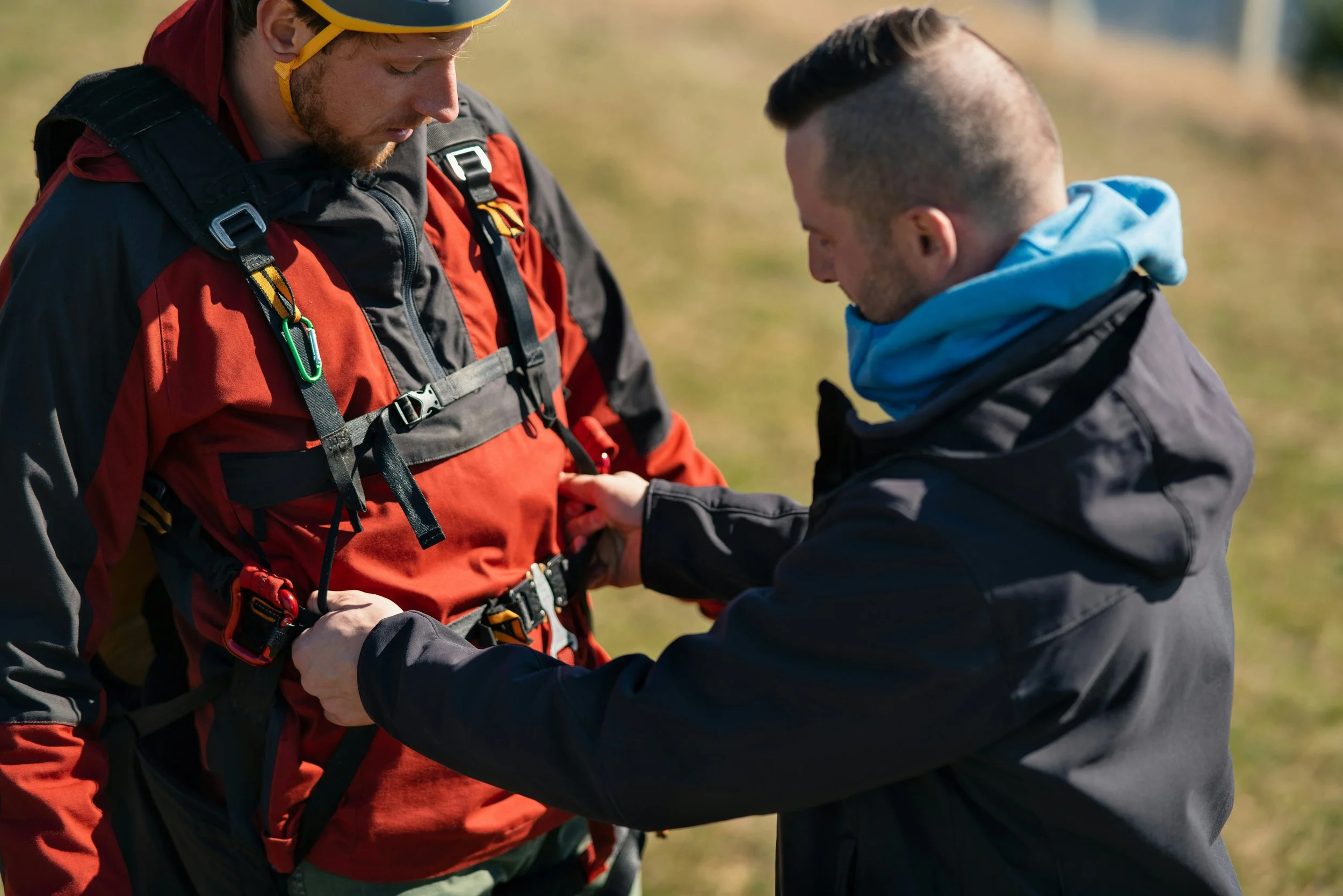
Permits and insurance are only part of the compliance picture. Successful sports event operations require alignment with broader safety, labor, and operational standards.
Safety and operational compliance
Fire and life safety requirements
Fire lanes, emergency access points, and crowd egress routes must meet code requirements and be clearly documented.
ADA accessibility
Accessible seating, restrooms, parking, and pathways are essential, not optional, for public sporting events.
Capacity and occupancy limits
Occupancy caps protect guest safety and are closely monitored by fire and building officials.
These elements form the backbone of event safety and compliance.
Labor, union, and staffing considerations
Union jurisdictions
Certain venues and cities require union labor for staging, audiovisual, or operations. Understanding these requirements early prevents costly disputes.
Volunteer vs. paid staff
Misclassifying workers can create compliance risks. Clear roles, training, and supervision are critical.
Credentialing and training
Staff credentials, background checks, and role-specific training help ensure operational readiness and accountability.
Vendor and partner compliance
Every vendor and partner introduces compliance considerations:
- Contractual obligations
- Proof of insurance
- Alignment with safety and security plans
Strong sporting event management includes vetting vendors for compliance, not just cost or creativity.
Coordination with Government and Venue Partners
Sporting events rarely operate in isolation. They intersect with public services, infrastructure, and community stakeholders.
Effective coordination includes:
- Municipal permitting offices
- Law enforcement and emergency services
- Venue compliance and operations teams
Early engagement reduces friction, builds trust, and creates a shared understanding of roles and expectations. It also positions organizers as responsible partners, an advantage for future approvals.
The Role of the Event Management Team
In complex sports events, the event management team acts as the compliance quarterback.
Managing documentation, deadlines, and approvals
From permit applications to insurance certificates, documentation management is a continuous process, not a one-time task.
Translating regulatory requirements into operational plans
Compliance must be reflected in site layouts, staffing plans, schedules, and communications.
Keeping clients and partners informed
Clear communication helps stakeholders understand why certain decisions are necessary and how compliance supports the overall event goals.
In effective sporting event management, compliance is integrated, not reactive.
Interview Insight: A Compliance Expert’s Perspective

One of the most valuable viewpoints in compliance planning comes from professionals who operate at the intersection of permits, insurance, and on-site execution.
This interview was conducted with the President and CEO of First Strategies Events and the Senior Vice President of Operations for the Special Olympics, Linda Lindamood.
How do you see the relationship between municipalities and event organizers evolving when it comes to large sporting events?
Relationships between the private and public sectors are essential to overall health, safety, security, and event success, as well as to the guest experience. While this relationship is vital, it has not always been a cooperative effort between municipalities and event organizers due to communication issues and barriers.
Municipalities’ number one focus and end goal is on public safety. Event organizers, while they absolutely want everyone to be safe, should focus on the event elements and guest experience.
In your experience, what documentation or planning detail most improves on-site decision-making during a live event?
There are several documents that contribute to event planning and execution. However, no single document can address every situation at all times. The best advice I can give is to “Know the Plan – Communicate the Plan – Practice/Exercise the Plan – Work the Plan” and most importantly have “Contingency Plans – A, B & C”. If your plan includes all the ways something might fail, and you have your contingencies ready, decision-making and activating on those decisions will happen more seamlessly, efficiently, and naturally.
What’s one compliance consideration that planners often don’t realize affects security operations until event day?
Transparency. I have worked with clients and planners who don’t want to share all of the details of their event/operation with law enforcement, security firms, and/or agencies, out of fear of being told “NO,” or concerns that they may be forced to increase services, which will cost more money. What they don’t realize is that the costs will be much higher, both financially and in terms of the potential risk of disruption or even cancellation of the event if they are not compliant.
What documentation do security teams need most from event organizers?
Site plans, production timelines, and guest lists, especially when principals are in attendance
What’s one compliance mistake you wish planners would stop making?
As I mentioned before, when you are producing large-scale events, it’s important to include municipalities in your planning process. Keeping them out or not sharing your plan creates a huge safety and security risk to the event. Oftentimes, agencies have intelligence that could be very useful to event organizers; however, they don’t share it because they are not aware of the true needs of the event. If law enforcement and first responders are aware of your footprint, event schedule, potential risks/hazards, they can prepare properly to ensure they have enough resources to respond quickly and efficiently
Planning Ahead to Avoid Compliance Challenges
The most successful sports events build compliance into the planning timeline, not around it.
Building compliance into the event schedule
Permits, insurance, and approvals should be milestone-based, with check-ins at each planning phase.
Budgeting for permits and insurance
Underestimating these costs can strain budgets late in the process. Transparent forecasting protects both organizers and clients.
Creating internal review checkpoints
Regular reviews ensure that changes in scope, vendors, or programming do not introduce unaddressed compliance risks.
Why Experienced Sporting Event Management Makes the Difference
Experienced teams bring perspective that goes beyond individual permits or policies.
They understand how to:
- Navigate overlapping jurisdictions
- Anticipate regulatory concerns
- Communicate effectively with public agencies
- Reduce risk for clients, sponsors, and partners
Most importantly, they create smoother, safer, more successful events—where compliance supports the experience instead of overshadowing it.
Plan with Confidence, Not Guesswork
Permits, insurance, and compliance don’t need to slow your event down or limit what’s possible.
At Stratus Firm, we integrate regulatory planning seamlessly into sporting event management, ensuring approvals, coverage, and compliance support your vision rather than restrict it. From municipal permitting and insurance coordination to stakeholder alignment and on-site execution, our team brings clarity to complex processes so your event can move forward with confidence.
Whether you’re producing a citywide race, a championship tournament, or a high-visibility branded sports experience, we help you plan responsibly, protect your investment, and deliver a seamless experience for every stakeholder.