
10 Creative Event Planning Strategies That Wow Your Audience
In today’s competitive event landscape, creativity isn’t optional—it’s the difference between a forgettable evening and an unforgettable experience. Whether you’re producing a corporate summit, nonprofit gala, or branded activation, audiences expect more than polished logistics. They want emotion, energy, and connection.
At Stratus Firm, we’ve seen firsthand how creativity transforms events from programs into moments of magic. The most successful gatherings blend strategy with imagination—balancing storytelling, sensory design, and audience engagement to leave a lasting impression.
If you’re looking for inspiration, here are 10 creative event planning strategies to wow your guests, ignite engagement, and elevate your next event.
Why Creativity Is Key in Event Planning
Creativity fuels connection. It’s what draws people in, keeps them engaged, and ensures they remember your event long after the lights go down.
1. Creativity Builds Emotional Connection
Events that move people emotionally drive stronger engagement. Whether through story-driven design, immersive environments, or thoughtful details, creativity gives your event heart and purpose.
2. It Differentiates Your Brand
In a crowded marketplace, creativity sets you apart. When attendees walk away saying, “I’ve never seen anything like that,” your event becomes part of your brand story.
3. It Enhances ROI
Creative experiences inspire sharing, loyalty, and long-term engagement—multiplying your event’s reach and return.
At Stratus Firm, our approach to creative event design centers on purpose. Every visual, sound, and texture is intentional—crafted to align with your brand story and audience expectations.
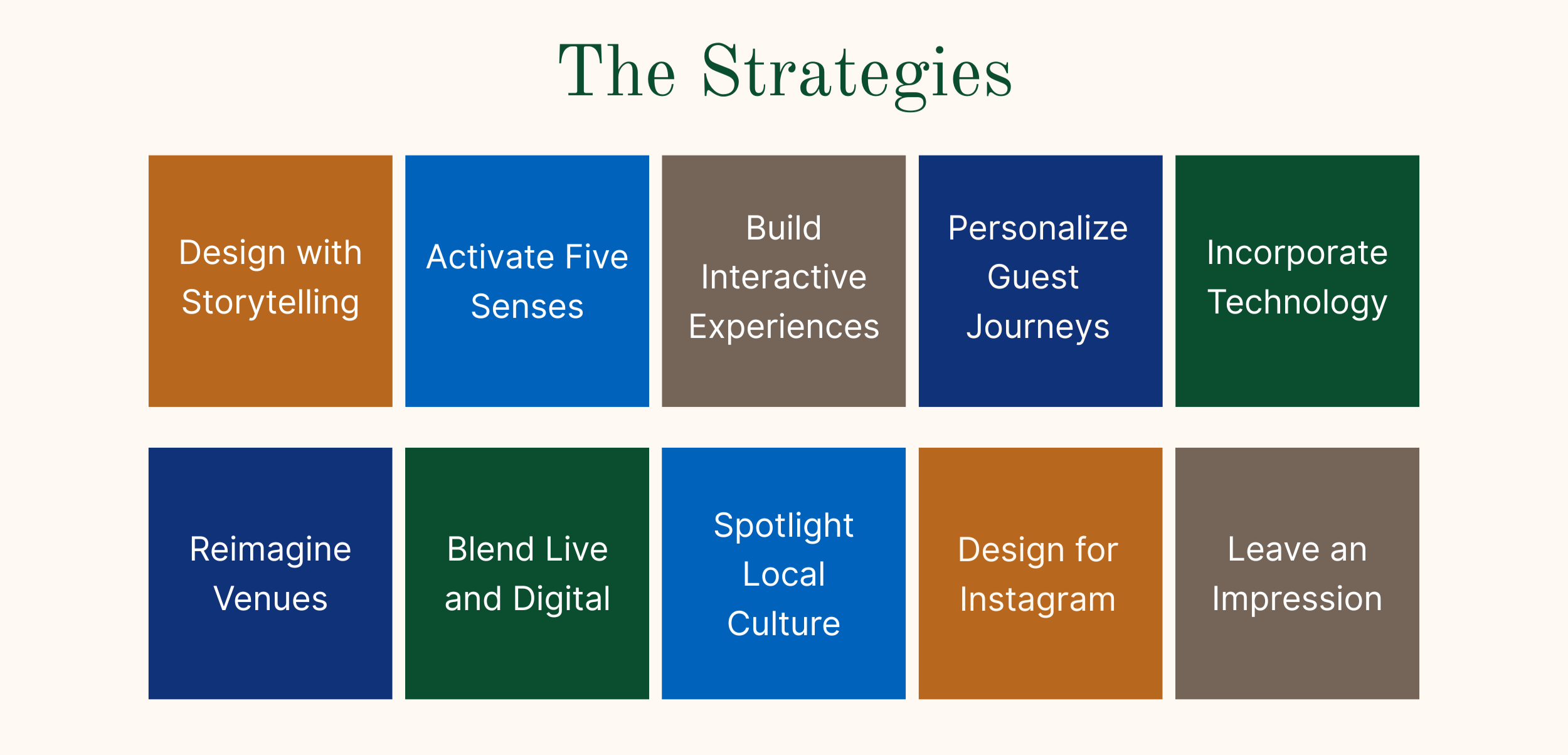
10 Creative Event Planning Strategies
1. Design with Storytelling at the Core
The most memorable events tell a story. A compelling narrative transforms logistics into emotion, connecting every element—design, programming, and performance—into one cohesive experience.
How to do it:
Identify your event’s central theme or “big idea.”
Weave that message through visuals, language, and programming.
Design an emotional arc: anticipation (arrival), connection (main program), and inspiration (finale).
2. Activate All Five Senses
Engaging multiple senses turns an event from a visual experience into a physical one. By layering sight, sound, taste, touch, and smell, you can create depth and immersion.
How to do it:
Sight: Use projection mapping or light transitions to shift the mood throughout the night.
Sound: Curate playlists or live performances that underscore emotional beats.
Taste: Align food and beverage with your theme (e.g., locally inspired menus or interactive tasting stations).
Touch: Use tactile materials like velvet table linens, textured backdrops, or interactive installations.
Scent: Incorporate subtle fragrance branding—fresh florals for spring galas, wood tones for winter events.
3. Build Interactive Experiences
Today’s audiences don’t want to be passive observers—they want to participate. Interactivity transforms events into shared experiences where attendees feel part of the story.
How to do it:
Integrate live polls or real-time decision-making during sessions.
Design gamified challenges tied to event themes.
Include hands-on workshops or creative stations.
Use immersive installations that respond to movement or touch.
4. Personalize the Guest Journey
Personalization is one of the most effective event planning tips to wow guests. It turns an event from a crowd experience into an individual one—making each guest feel seen, valued, and part of something special.
How to do it:
Send personalized invitations or digital itineraries.
Use RFID or QR-coded badges to customize experiences (e.g., preloaded drink preferences or session recommendations).
Create VIP or donor pathways with exclusive spaces, meet-and-greets, or gift experiences.
Highlight individual contributions during the event—on-screen mentions, custom gifts, or table cards.
Example: For the Bozzuto Management Awards, Stratus personalized every touchpoint—from branded nameplates and motion graphics to curated table seating—ensuring each guest felt like the star of the evening.
5. Incorporate Technology in Fresh Ways
Technology can amplify creativity when used with purpose. It’s not about adding gadgets—it’s about creating moments of connection, wonder, and efficiency.
How to do it:
Use projection mapping for dynamic storytelling on stage or across walls.
Integrate AR or VR experiences to visualize data or immerse attendees in a narrative.
Create a custom event app with live updates, networking tools, and gamified scavenger hunts.
Experiment with AI-powered personalization or interactive chat assistants for real-time engagement.
6. Reimagine Venues and Spaces
A creative venue can transform the ordinary into extraordinary. Sometimes the most memorable event is one that takes guests somewhere unexpected.
How to do it:
Look beyond ballrooms: consider warehouses, rooftops, museums, or historic buildings.
Design modular layouts that evolve throughout the event (e.g., seated dinner transforming into lounge-style dessert).
Use lighting, drape, and scenic design to reimagine familiar spaces.
7. Blend Live and Digital Touchpoints
Hybrid isn’t just a fallback; it’s a creative advantage. Combining in-person and digital touchpoints expands your audience and deepens engagement.
How to do it:
Live-stream keynote moments and make sessions available on-demand.
Encourage digital participation through live Q&A and chat platforms.
Create interactive microsites or virtual networking spaces for remote attendees.
Use post-event recaps, highlight reels, or podcasts to extend momentum.
8. Spotlight Local Culture and Community
Great events reflect their surroundings. Incorporating local elements adds authenticity, supports the community, and gives guests a sense of place.
How to do it:
Partner with local chefs, artists, and musicians to showcase regional flavor.
Feature artisan products or décor sourced from nearby vendors.
Integrate community stories or nonprofit partnerships tied to your event’s mission.
9. Design for Instagrammable Moments
In the age of social media, shareability is a form of amplification. A visually stunning or surprising element encourages organic promotion and gives guests something to remember—and post.
How to do it:
Build custom backdrops or installations that double as photo opportunities.
Use unexpected reveals—a surprise performance, lighting change, or scenic transformation.
Incorporate subtle brand integration into design for organic sharing.
Encourage user-generated content with hashtags and live social walls.
Example: For Washingtonian’s Best of Washington, Stratus designed themed vignettes featuring 70+ restaurants and sponsor activations—each one a photo-worthy micro-experience that kept attendees posting all night long.
10. End with a Lasting Impression
The finale is your final story beat—what guests remember most. Ending on a high note ensures your message lingers long after the event ends.
How to do it:
Plan a surprise performance or emotional moment that reinforces your theme.
Offer a meaningful takeaway gift, like a personalized token or custom photo memory.
Close with a visual crescendo—lighting effects, projection displays, or an inspiring short film.
Provide a follow-up experience, such as an exclusive digital recap or thank-you video from your CEO or organizer.
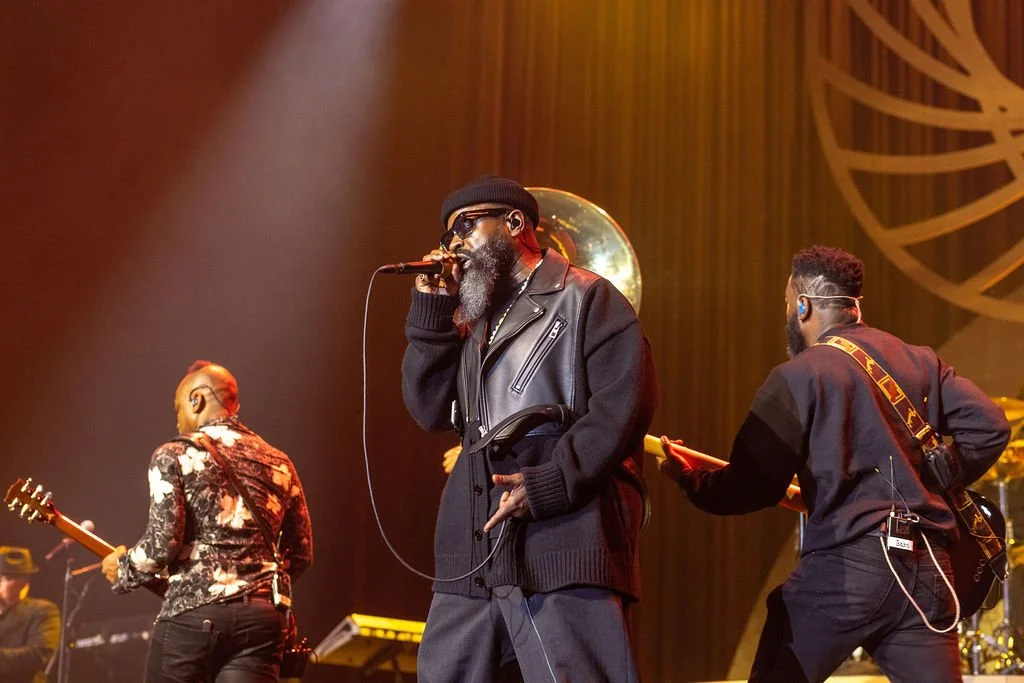
Example: At the Congressional Black Caucus Foundation’s Phoenix Awards Dinner, Stratus carefully choreographed the closing segment—a performance by The Roots with a special guest—bringing thousands of guests to their feet in a shared moment of inspiration.
Case Studies: Events That Brought These Strategies to Life
Washingtonian’s Best of Washington
A celebration of culinary excellence and creativity, Washingtonian’s “Best of Washington” is a masterclass in event engagement ideas. Stratus produced a multi-zone experience within the National Building Museum—complete with ambient lighting, DJ-driven energy, and brand activations that kept 3,000+ guests exploring, tasting, and sharing.
Key Takeaway: Multi-sensory design + photo-worthy activations = continuous engagement.
Bozzuto Management Awards
This corporate celebration transformed recognition into artistry. Through creative event storytelling, Stratus crafted an elegant, cinematic production with custom motion graphics, tailored stage design, and a dynamic program flow that balanced professionalism with emotion.
Key Takeaway: Storytelling and personalization elevate even the most traditional formats.
CBCF Phoenix Awards
As one of D.C.’s most high-profile galas—with attendance by the President and Vice President—the 2025 Phoenix Awards Dinner required Stratus to combine experiential design, security precision, and emotional resonance. From stage architecture to multimedia storytelling, every element supported the evening’s theme of progress and unity.
Key Takeaway: Creativity and operational excellence can—and should—coexist.
Turning Creativity Into Connection
The events that make lasting impact are the ones that make people feel something. Creativity is the bridge between strategy and emotion—it transforms an event from a schedule of activities into a shared journey.
To recap, here are the 10 creative event planning strategies to keep at the center of your process:
Design with storytelling at the core.
Engage all five senses.
Build interactive, participatory moments.
Personalize the guest journey.
Use technology with purpose and flair.
Reimagine traditional spaces.
Blend live and digital seamlessly.
Celebrate local culture and talent.
Create shareable, Instagrammable experiences.
End with emotion and impact.
At Stratus Firm, we help clients bring these strategies to life through intentional, immersive design. From concept to execution, our team builds events that do more than entertain—they connect, inspire, and elevate your story.
Ready to wow your audience?
Contact Stratus Firm to design your next unforgettable event experience.
-
Today’s audiences expect more than smooth logistics—they want emotion, immersion, and connection. Creativity is what transforms a program into an experience. It helps communicate your message more powerfully, differentiates your brand in a crowded landscape, and inspires guests to engage, share, and remember your event long after it ends.
-
Start by identifying your event’s “big idea” or central narrative. Then weave it into every touchpoint—from scenic design and lighting transitions to scripted remarks and program flow. A clear storytelling arc (anticipation → connection → inspiration) ensures your event feels cohesive and emotionally resonant rather than disconnected or transactional.
-
Engagement increases when guests feel involved. Techniques include interactive installations, live polls, gamified challenges, hands-on workshops, and multi-sensory activations. Lounge-style environments, surprise performances, and thoughtfully designed transitions also keep the energy high. The best engagement strategies invite participation rather than passive observation.
-
Technology becomes powerful when it supports your narrative—not when it’s added for novelty. Tools like projection mapping, AR/VR, custom event apps, and AI-driven personalization help visualize ideas, deepen interaction, and simplify the guest journey. The key is intentionality: ask whether the tech enhances the story, improves accessibility, or adds meaningful value.
-
Design visually striking or emotionally surprising elements that invite guests to capture and share the experience. Examples include custom photo vignettes, dramatic scenic transformations, curated sponsor activations, or surprise performances. Integrate light branding and encourage social sharing through hashtags or live social walls. When done well, “Instagrammable” moments amplify reach organically and extend your event’s impact.