


Corporate events are often treated as operational milestones. These include annual meetings, leadership summits, product launches, and sales kickoffs. But when events exist in isolation from business strategy, they become expensive calendar entries instead of growth drivers.
Corporate event consulting changes that.
Corporate event consulting is the strategic process of aligning meetings and events with measurable business objectives such as revenue growth, culture transformation, and brand positioning.
When approached strategically, meetings are not just gatherings. They are growth engines.
What Is Corporate Event Consulting?
Corporate event consulting focuses on strategy before logistics.
While traditional event planning concentrates on venue selection, catering, and timelines, corporate event consulting begins with a more fundamental question:
What business outcome should this event drive?
An event consultant works alongside leadership to define:
- Revenue objectives
- Brand positioning goals
- Culture and engagement priorities
- Market expansion targets
- Change management messaging
- Stakeholder alignment needs
Only after objectives are clear does execution begin.
Corporate event consulting is not about adding more production. It is about adding more purpose.
Why Most Corporate Events Fail to Drive Growth
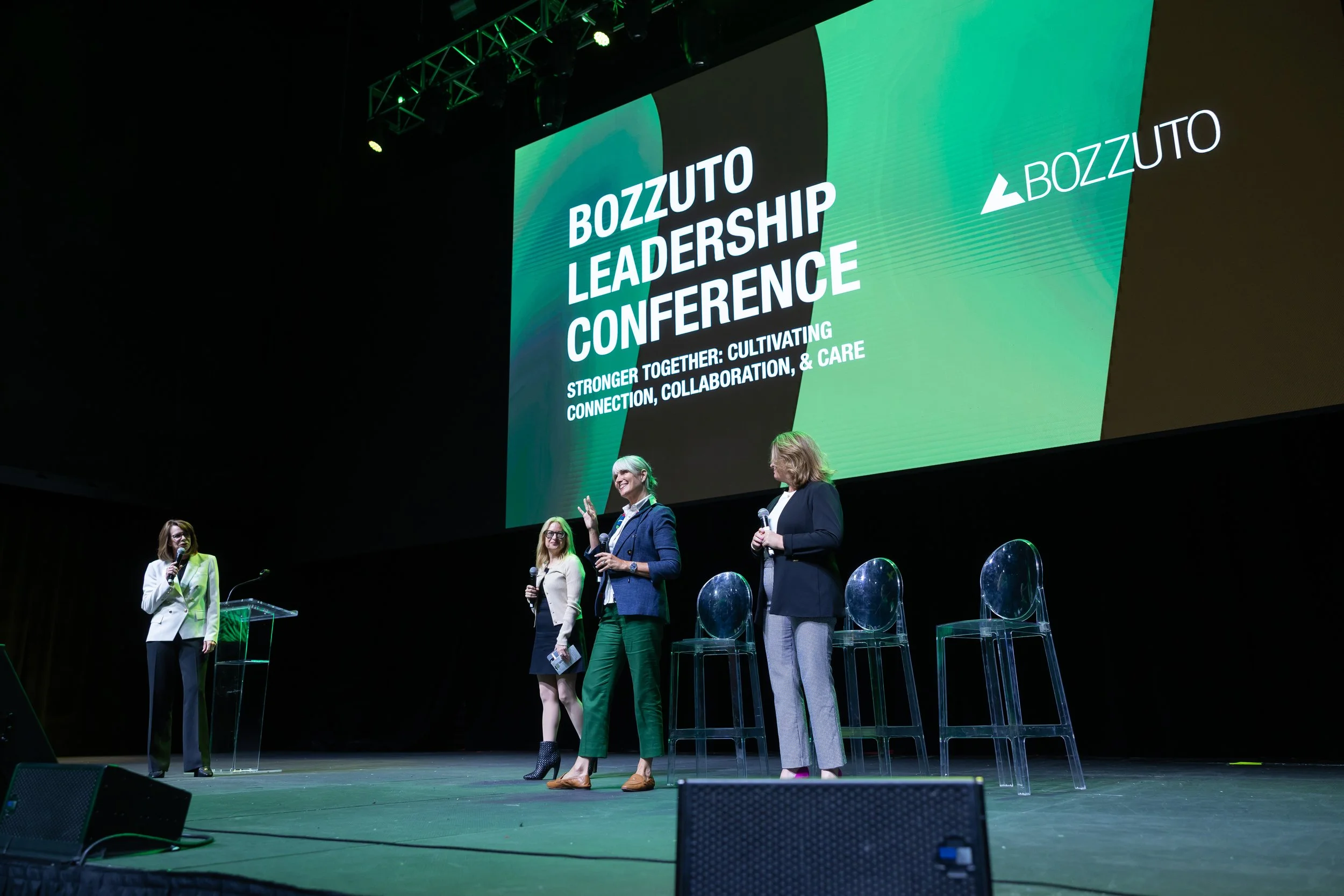
Many corporate meetings are well-executed operationally, but underperform strategically.
Common pitfalls include:
- No defined KPI beyond attendance
- Messaging that lacks clarity
- No post-event measurement plan
- Production decisions disconnected from business goals
- Short-term thinking without long-term ecosystem planning
Without a strategic framework, events can feel polished but directionless.
Corporate event consulting prevents this misalignment by ensuring every meeting has defined business intent.
From Event Planning to Event Strategy
Event planning asks, “How do we execute this event?”
Event strategy asks, “Why are we doing this event — and what must it accomplish?”
The difference is subtle but powerful.
For example:
A sales kickoff without consulting may focus on agenda logistics.
A sales kickoff guided by corporate event consulting aligns content with revenue targets, incentive structures, and measurable pipeline impact.
A leadership summit without consulting may focus on schedule and venue.
With consulting, it becomes a tool for cultural alignment and executive visibility.
Our Event Strategy & Consulting approach ensures that meetings are designed to move metrics — not just fill rooms.
Aligning Meetings with Revenue and Business Objectives
Corporate meetings can directly influence growth when aligned intentionally.
Revenue Growth
Sales meetings, product launches, and investor briefings can drive measurable revenue when designed around clear conversion objectives.
Strategic event consulting identifies:
- Sales enablement goals
- Market positioning strategies
- Product differentiation messaging
- Pipeline acceleration opportunities
Market Expansion
When entering new markets, events serve as brand introduction platforms. Consulting ensures consistency in messaging and audience targeting.
Brand Positioning
General sessions and large-scale conferences reinforce brand authority. Corporate event consulting aligns staging, executive presence, and content flow with positioning goals.
Corporate Events as Culture and Change Management Tools
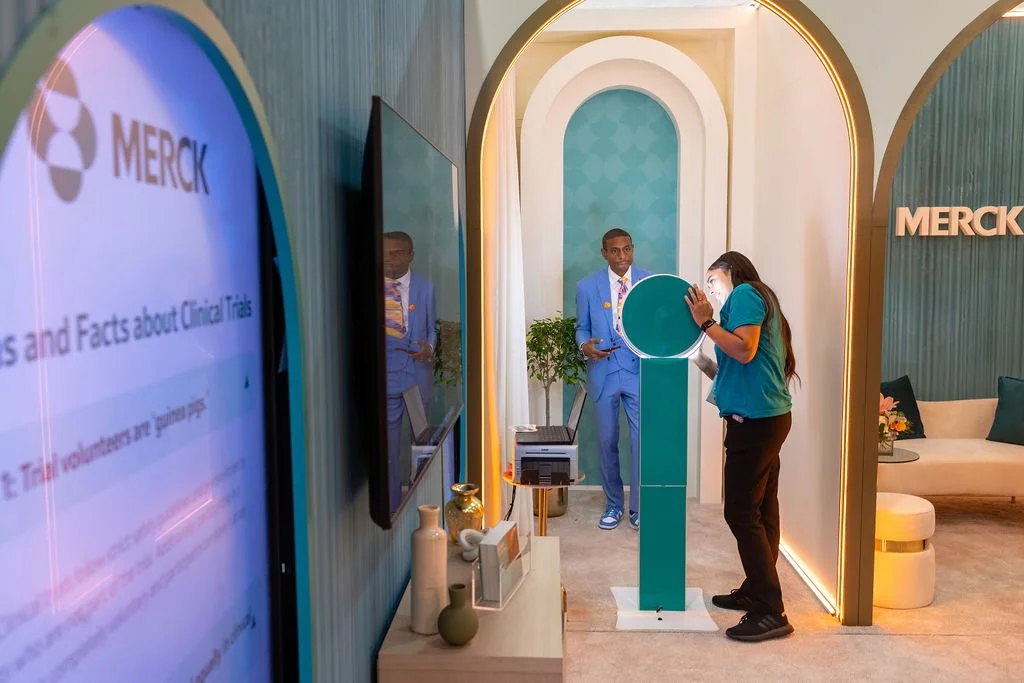
Corporate growth is not just external — it’s internal.
Meetings play a critical role in:
- Organizational restructuring
- Mergers and acquisitions
- Culture shifts
- Leadership transitions
- Strategy rollouts
Corporate event consulting ensures that messaging is delivered clearly and consistently during pivotal moments.
When employees leave a meeting confused or disengaged, growth slows. When they leave aligned and motivated, momentum builds.
The Role of Data and Measurement in Event Consulting
If events are growth tools, they must be measured.
Corporate event consulting establishes KPI frameworks before execution.
Examples include:
- Sales lift post-event
- Employee engagement survey changes
- Lead capture and conversion metrics
- Media impressions
- Executive visibility scores
Measurement is not an afterthought. It is integrated from the start.
Without defined metrics, ROI becomes guesswork.
Executive-Level Event Strategy and Leadership Visibility
Corporate events are often the most visible platform for executive leadership.
Stage presence, message clarity, and environmental design influence how leadership is perceived internally and externally.
Corporate event consulting supports:
- Executive messaging alignment
- Presentation coaching
- Content flow design
- Leadership positioning strategy
Paired with strong Corporate Meeting Production, strategic consulting ensures that executive communication is both confident and controlled.
Corporate Event Consulting vs Full Production Services
It’s important to distinguish between consulting and production.
Corporate event consulting may:
- Define objectives
- Build KPI frameworks
- Shape messaging strategy
- Develop event ecosystems
- Recommend format and structure
Production services then execute staging, audiovisual, scenic design, and technical management.
At Stratus Firm, we can operate in both capacities:
- As a strategic consulting partner before logistics begin
- As a full-service production integrator
- Or as a collaborative partner within complex corporate structures
Consulting ensures the “why” is clear. Production ensures the “how” is flawless.
When to Engage a Corporate Event Consultant
Corporate event consulting is particularly valuable when:
- A company is in a growth phase
- Major strategic shifts are underway
- Executive visibility is high
- Meetings must influence revenue
- Internal alignment is critical
- Events are increasing in scale or complexity
Consulting is most impactful early on, before venues are secured or budgets allocated. Strategy should precede spend.
Building a Long-Term Event Growth Strategy
One of the most overlooked aspects of corporate event consulting is ecosystem thinking.
Instead of treating meetings as standalone moments, consulting helps organizations design event portfolios that reinforce one another.
For example:
- Sales kickoff reinforces quarterly town hall messaging
- Product launch aligns with annual summit narrative
- Leadership retreat feeds into investor communications
When meetings connect, impact compounds. Corporate event consulting transforms disconnected events into a cohesive growth strategy.
Final Thoughts: Events as Growth Engines
Corporate events are too resource-intensive to exist without purpose.
When aligned with growth goals, they become powerful tools for:
- Revenue acceleration
- Cultural transformation
- Brand authority
- Leadership visibility
- Organizational alignment
Corporate event consulting ensures that meetings and events move business forward, not just mark time.If your organization is investing in live experiences, ensure they are strategically aligned from the start. Growth deserves intention.